

Throughout her practice, Paulina Moncada addresses notions about Andean tropical landscapes and what lies beyond human perception. The artist speaks with Lara Xenia about her interest in ecosystems, her life in Colombia, and her love for St. Francis of Assisi.
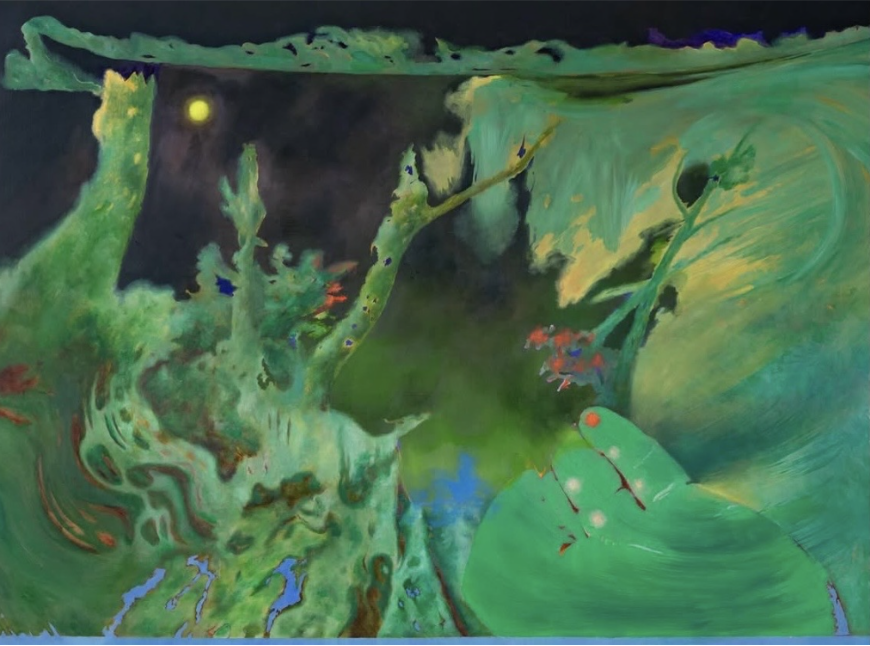
Figure 1: Paulina Moncada, Ecosystem of Looking, 2024, oil on wood, 48 × 36 inches (121.92 × 91.44 cm). Photo: courtesy the artist, Pat Garcia, and Oolong Gallery
Lara Xenia: How and when did you start making art?
Paulina Moncada: Ok, this is fun. My best friend Sara Fernandez is a photographer, bookmaker, and a really good painter. When we were kids, she quit painting at twelve. The frustrations with painting started early [smiles]. Now I totally get where she was coming from. In high school, I was figuring out what I wanted to do next. I attended an intensely STEM-heavy Jesuit school, and math excited me but I wanted to pursue something I could really believe in, something that needed faith. When it came to college, I applied for Astronomy and Economics, until my friends intervened and said, “No, no, no, no! Think more! We know what you should do but you have to discover it yourself.”
Around that time, Sara picked up painting again and offered to teach me; she changed my life. She told me I had a hand and a sensibility and encouraged me to push it forward. I decided to not attend the first semester of university and pursued taking art classes instead. When I finally decided to be an artist, my friends said, “Yes, yes, finally! You discovered it!” and that’s how it happened. They said it was so obvious but it wasn’t obvious to me at all. I do think painting is a way for me to be friends with the world. It’s a friendship somehow. That way of starting makes a very sweet story [laughs].
LX: That’s awesome. How do you think science and your knowledge of mathematics have informed the ways you construct your compositions?
PM: I think it’s all about looking and paying attention. The tradition of math in Colombia is very interesting. There’s this amazing mathematician named Fernando Zalamea, who was the son of an art critic and painter. He wrote about art too, and would always say beautiful things like: “The new mathematical forms are about having a bird’s eye view, looking from a very high altitude, and when you start noticing patterns rather than just outcomes, you see the possibilities that are there in the field.” I think that’s fantastic. With painting, if you have that high-altitude view and start seeing connections, the work does something else entirely. I feel that influence in what I’m trying to do with the construction of my paintings.
LX: That’s so cool. Could you tell me about how this tableau came about?
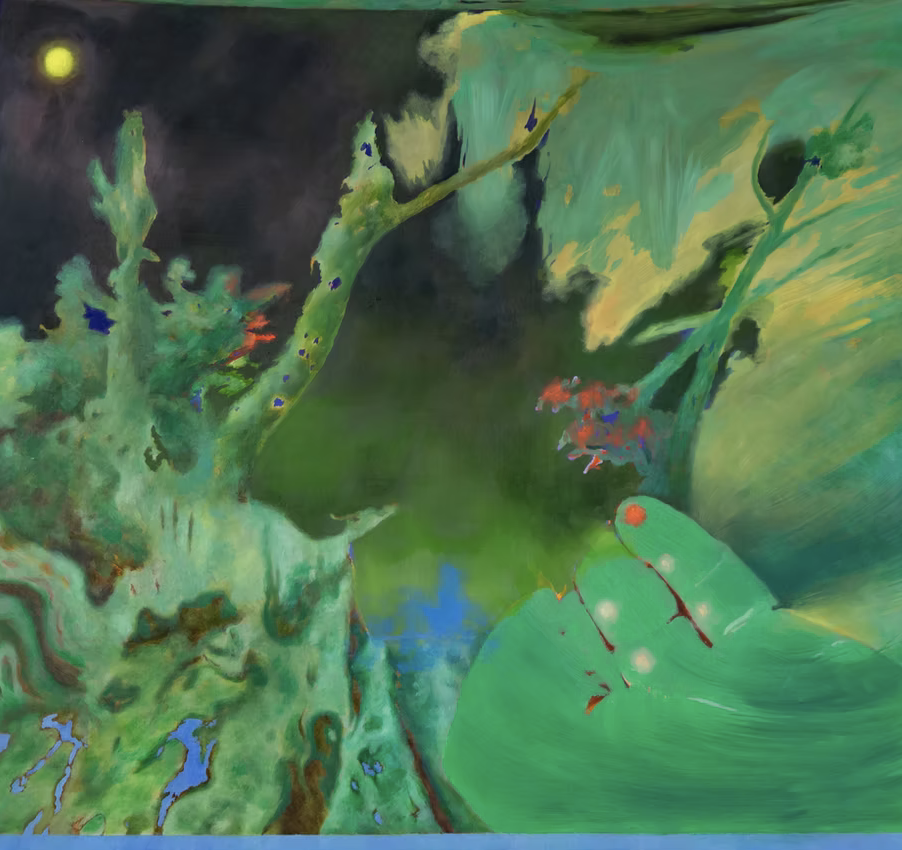
Figure 2: Paulina Moncada, Ecosystem of Looking [detail], 2024, oil on wood, 48 × 36 inches (121.92 × 91.44 cm). Photo: courtesy the artist, Pat Garcia, and Oolong Gallery
PM: Oh yes. That whole series was from my second critique at Yale. I was reading these Spanish colonial diaries from when the colonizers came to South America. They were talking about “a healthy landscape” and attempted to define what that meant. With them the idea of the picturesque arrived. A healthy landscape emerged as something very open, where the wind is felt, easy to see from a commanding viewpoint from very, very far away. So it's about conquest too in the sense of “I'm going there and I'll see more.”
LX: Are you alluding to a visual conquest as well, then?
PM: If a healthy landscape is where the wind comes and it’s breathable, and the space is “open,” domestication and ownership are in place. But a tropical landscape is completely opposite to that. It's full, dense, humid, folded and difficult to see. You cannot discover things unless you train your eye to be there. So the diaries describe the colonizers cutting down trees to “make the landscape more healthy,” which introduced the idea of the picturesque as being all about framing something. In framed compositions, the trees are always on the sides, and the pastoral mountains often look tamed, which I find very interesting. I started using the idea of the frame as a geometric limit that places me in a pictorial conversation and tradition. I’m interested in alluding to that pushing and pulling, hiding while revealing to slow your attention down.
When I go back home to Colombia, I try to go to the forest and the jungle as much as I can. I usually go with my biologist friends that have been teaching me how to point at things and how to name them. If we are lucky we’ll go with people who live there, native to the landscape we visit. Sometimes in the middle of a hike they see something and say, “Ok look there’s a bird that’s there.” It’s right there in front of us, but all of us are scrambling to see it; you just have to pay attention, but it’s very difficult to see these things if your eye is not trained for it. Even though things are exposed they remain hidden. I tried to capture that feeling with this series of paintings, so I named that green painting Ecosystem of Looking.
You cannot discover things unless you train your eye to be there.
LX: That’s fascinating that you drew from conquistadors' diaries in studying framing.I’m really curious about your adventures in Colombia and I love the little flecks of red in this. Are they meant to signify anything?
PM: I am interested in language. I’ve been trying to understand what are the semiotics of landscape and the marks and signs that are very particular to a place and still have a general feeling, parallel to a linguistic expression. In the recent show at Latitude gallery I made a painting inspired by a tropical tree that I love from Colombia. It’s called “Sande.” That painting got more abstracted and the titles changed from Sande, the tree, to Umlaut, a diacritical mark.
LX: How long does it take you to complete a painting?
PM: I’m not the kind of painter that can finish a painting in 15 minutes. I envy that of course. Once in a blue moon it happens, but it’s not usually like that. I’ll often start by creating an image, and then scrapping it altogether in order to find something more exciting. And it’s horrible because I have to lose something in order to gain something back.
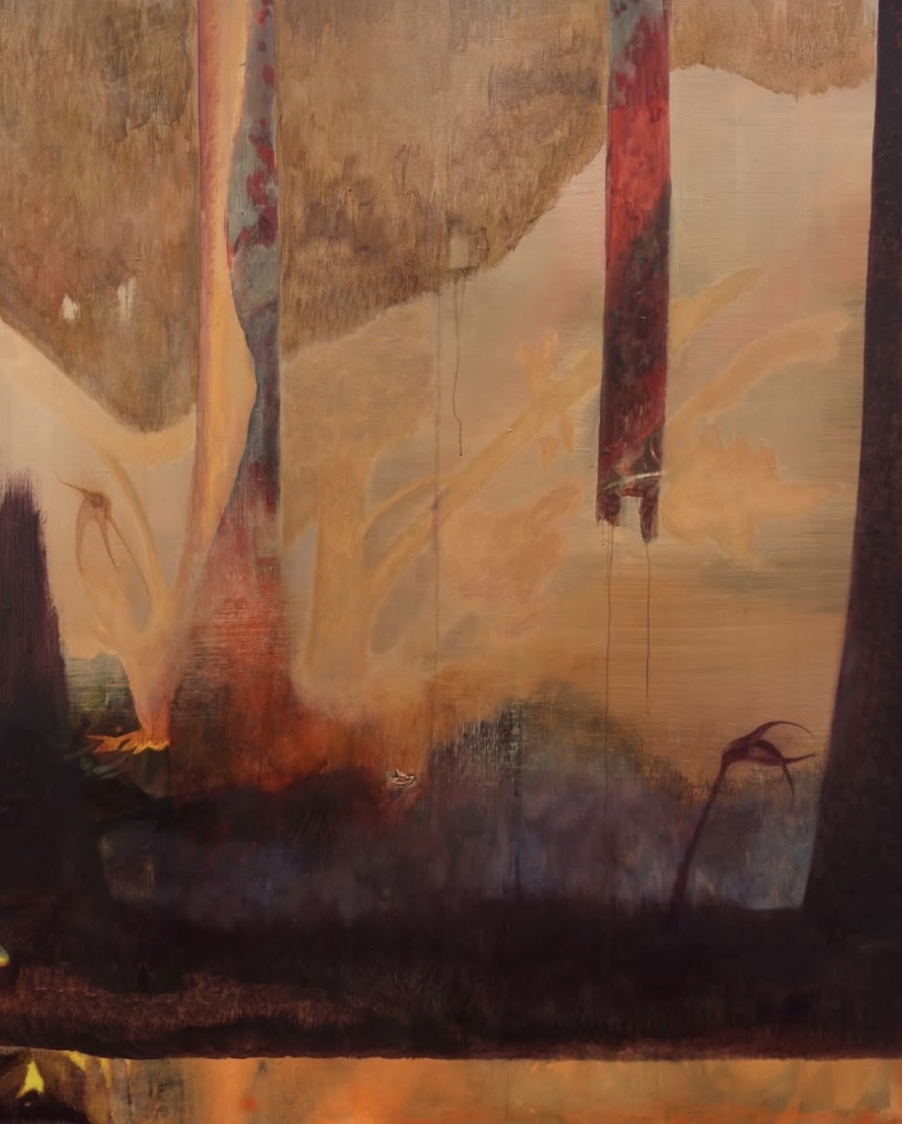
Figure 3: Paulina Moncada, Umlaut, 2026, oil on canvas, 55 × 43 inches (139.7 × 109.2 cm). Photo: courtesy the artist, Pat Garcia, and Latitude Gallery
[Gestures to work] With Umlaut, I covered it, and changed the direction of the painting. I buried many versions of it before this final form. When it finally opened again I saw these two red lines and I thought “there's something about pronunciation here”, so I looked for a linguistic mark that does something like that.
LX: So the concept is that the umlaut changes the sound of the vowel, so the painting changes because of the interface of the two lines?
PM: Yes, exactly, exactly. It was the interface of two dots, or marks, of color that changed the nature of the painting. That saved the painting which was falling apart. Those gestures work more like a language in the work.
LX: What was a really memorable adventure you had when you went to the jungle in Colombia one time?
PM: One time me and my friends went to a really special place called Mutatá in the Urabá jungle. It’s an Emberá Reserve, so the Emberá indigenous people live there. It’s a highly contested zone with paramilitary presence, and peasant families who were displaced from 50 years of civil war. When the peace agreement happened people who lived there could return and work the land there. Mutatá it’s a very important ecosystem and highly specific because it is an intersection between the Caribbean coast, the Andes and the Baudo Mountains in the Pacific coast. Carlos Cañaveral, who was displaced and came back with his family, showed us around and spoke about jaguars since there's a presence of them in that zone. Once he mentioned, “A Jaguar always sees you and hears you first. We haven’t seen one in 30 years.” He was saying that when the Jaguar reveals itself to you it’s because he’s choosing you. I asked him what to do in case of seeing one and he instructed us to look back at it directly so you can show you’re also a predator. A recognition is needed. And he knows that because he is intimately familiar with this landscape.
LX: That’s incredible. What animal did you choose or chose you?
PM: I try to be very perceptive to birds. I think I would be a bird if I had to be an animal.
LX: What kind?
PM: I love a black heron.
LX: That’s great that you instinctively know exactly which kind.
PM: I've thought about it before! I was reading an essay by Boris Groys who has a beautiful text about art and activism. At the end he talks about how an artist should be a “supersocial being” and he uses the example, which I love, of St. Francis of Assisi. He says something to the effect of, “An artist should be able to speak, like St. Francis of Assisi, to birds and rocks and humans”. He is also challenging the idea of what a real democratic way of making art is. When St. Francis decided his destiny as a preacher, all the birds came to him to hear his preach.
LX: That made me think of that famous Bellini painting at the Frick.
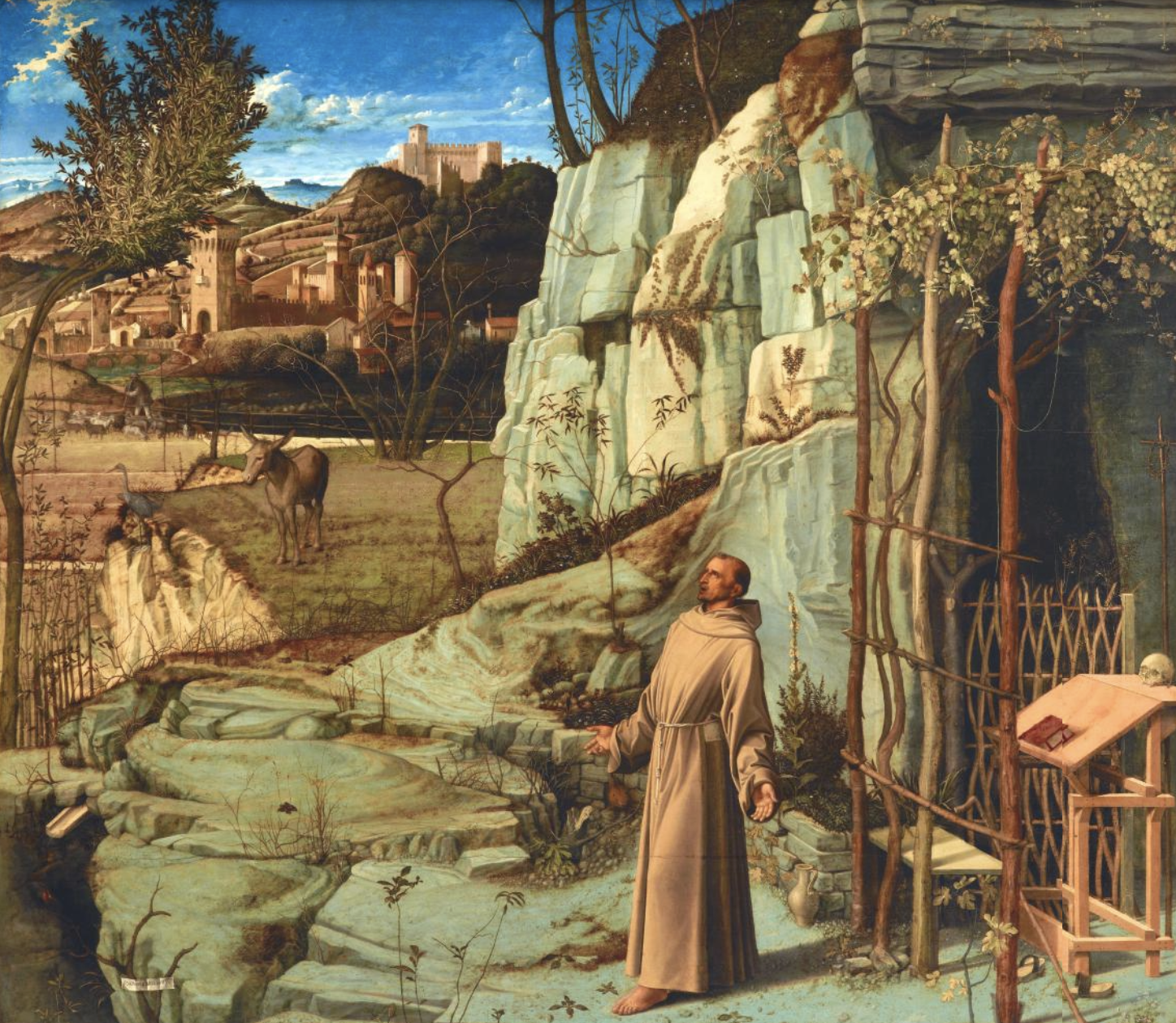
Figure 4: Giovanni Bellini, St. Francis in the Desert, 1475–1480, oil on panel, 49.06 × 55.88 inches (124.6 × 142 cm). Photo: courtesy The Frick Collection
PM: Yes, that piece is beautiful to me! And it’s like, “Oh, wait, when there’s a big sense of truth and direction you can speak to the world and it’ll listen.”
LX: I feel like I can see you as Snow White [laughs].
PM: It is like Snow White! Yeah completely. Birds are important to me and there’s this type of divinatory practice called “Ornithomancy” (it’s reading the movement of birds to read the future; Gabriel Garcia Marquez writes about it too). It’s a very ancient practice. The Auspex or Augur in Ancient Rome was an interpreter of omens, usually the flight of birds.
LX: That’s fascinating. There’s also this story in Persian culture called The Conference of the Birds—
PM: I love The Conference of the Birds! The miniatures are fantastic. The conference of the birds is very important to me.
LX: I love that! It’s cool that you articulate these things and consider the semiotics of these elements and their effect within the space. I’m curious about your decision to feature dormant or slumbering animals; what drew you to that in this work?
PM: Yeah, lately I've been thinking about the idea of rest a lot. It's important in my work. That line between sleep and death, and the protection it needs. There’s some kind of miraculous thing that happens with animals sleeping, especially nondomesticated ones because they hide really well. Some of them develop different sleeping cycles to survive in specific situations. Whales for example can turn off half of their brain while the other half is active, so one eye is open, one closed, to be able to go on the surface and breathe when it’s needed.
Our notion of the world is very limited; we never consider things like, “How do spiders sleep?” These questions are important to me because they are expansive but fragile and inconspicuous. We might only encounter them when kids ask.
LX: That’s fascinating. What made you consider your relationship to animals in this work?
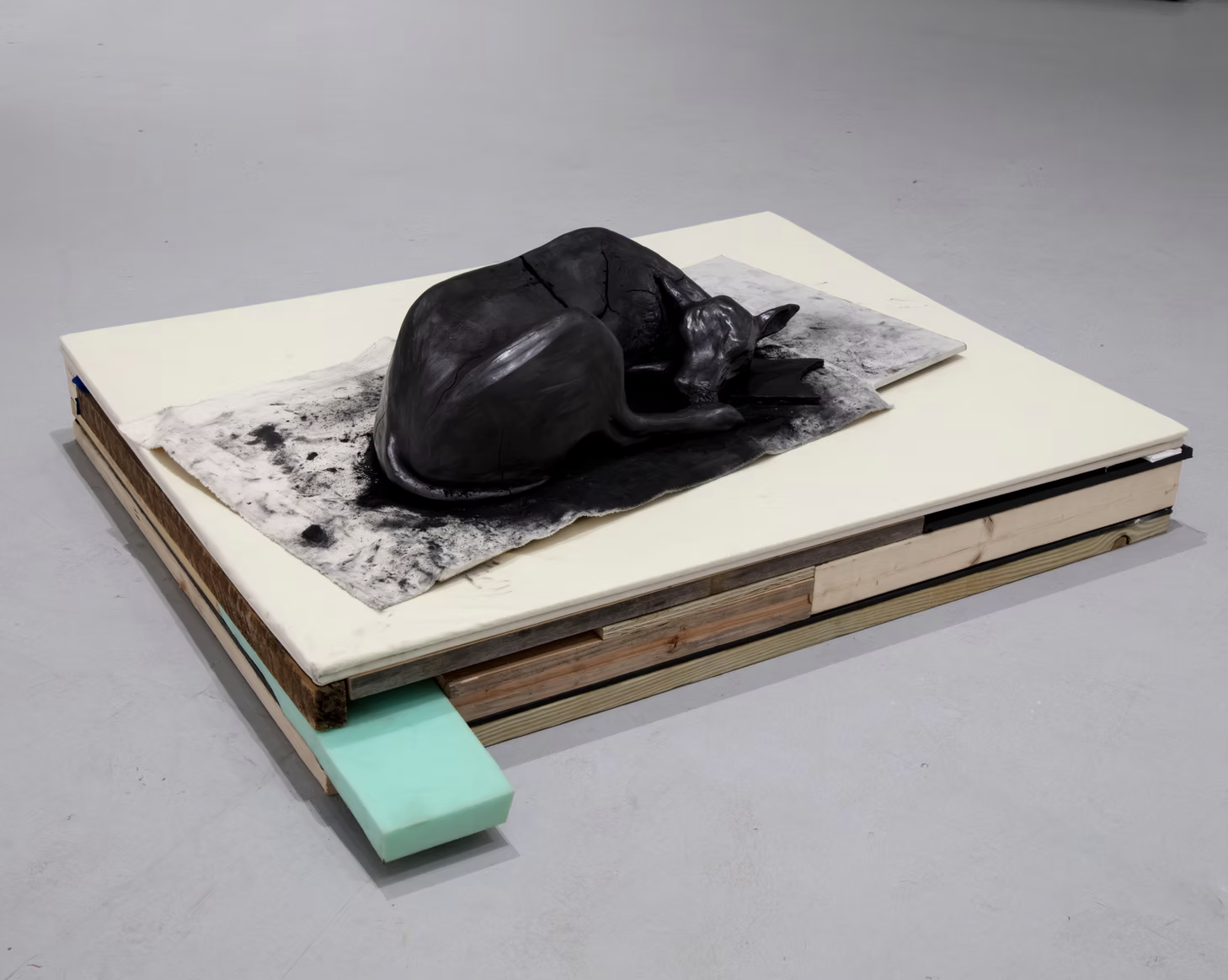
Figure 5: Paulina Moncada, Every lion was Lion, Every ox was Ox, 2025, graphite, canvas, drywall, tyvek, unfired clay, cellophane, foam, wood, and felt, 48 × 60 × 15 inches (121.92 × 152.4 × 38.1 cm). Photo: courtesy the artist and Pat Garcia
PM: With this one, I was thinking a lot about our lost relationship with animals. I read this amazing essay by John Berger called Why look at Animals, where he states that prior to the Industrial Revolution animals had a double meaning, a double nature in between use and worship, domestication/sacrifice/ritual. We can sublimate a lot of knowledge and fables into them. I think that’s why in a lot of ancient clay making traditions vases, pots, and amphoras had animal forms. Berger argues in the essays that our relationship with them is forever lost, and the monument of that loss is the zoo.
I was interested in that concept and in the intermediary space of animals while wanting to do a three dimensional drawing. [Gestures to photograph of ephemeral work] The sleeping being is made of graphite with clay.
LX: Whoaaa. So it’s clay? Did you fire it or?
PM: No, it’s an ephemeral piece, it doesn't exist anymore! It was just dust at the end, which was fantastic. When I was making it, the graphite caused the clay to fracture and I was so sad. But I always think: the work is wiser than the artist. You want something from it, but it does something else; it has its own will.
After mourning and crying about the fracture I thought maybe it was good, because in geology, mountains fracture too. It taught me so much about the accident. That piece actually changed my painting practice because I became more open to letting accidents happen and using them as tools, which opened the work completely. With this piece I was thinking about the curl, the snailed position most mammal animals take to protect themselves when sleeping. While the animal is sleeping in this closed state the fracture is completely open to the viewer, who could see the interior of the piece.
LX: Ohhh did you decide to color that part with charcoal or did you leave the clay like that?
PM: I mixed the clay with graphite inside still.
But I always think: the work is wiser than the artist.
LX: That’s also interesting because it introduces the idea that the animal could be—not in a dark way—but that it’s physically severed or butchered.
PM: Yes, it was a very vulnerable piece, raw and super dirty. Working with graphite was an absolute pain [laughs].
LX: How long did it take for it to ephemerally disintegrate?
PM: It was slowly breaking through the process of drying. I think at the end the fracture was really big and it was two pieces apart. The ears were breaking, the tail was breaking. When I decided to move to New York, I thought, “I can’t take this with me,” and I didn’t have the heart to destroy it myself, so my friends helped me destroy it because it was too much [laughs]. It was also almost 50 kilos.
LX: That's a big dog.
PM: Yeah. It's the weight of an actual animal.
LX: Well that’s also emotional. And is it supposed to be a stray?
PM: I always want it to be an in between animal, like a deer or a dog or an ox or a cat.
LX: Why did you choose this blue plinth?
PM: I think that’s my painting eye. I felt and needed some type of blue green lifting the graphite color. I found this foam out of nowhere at Yale and I thought it was perfect [laughter].
LX: That adds something to it. It’s almost like it’s some type of perch for him.
PM: It’s the color composition for me. Some kind of darkness and something light.
LX: And is this also part of your thesis? [shows artwork]
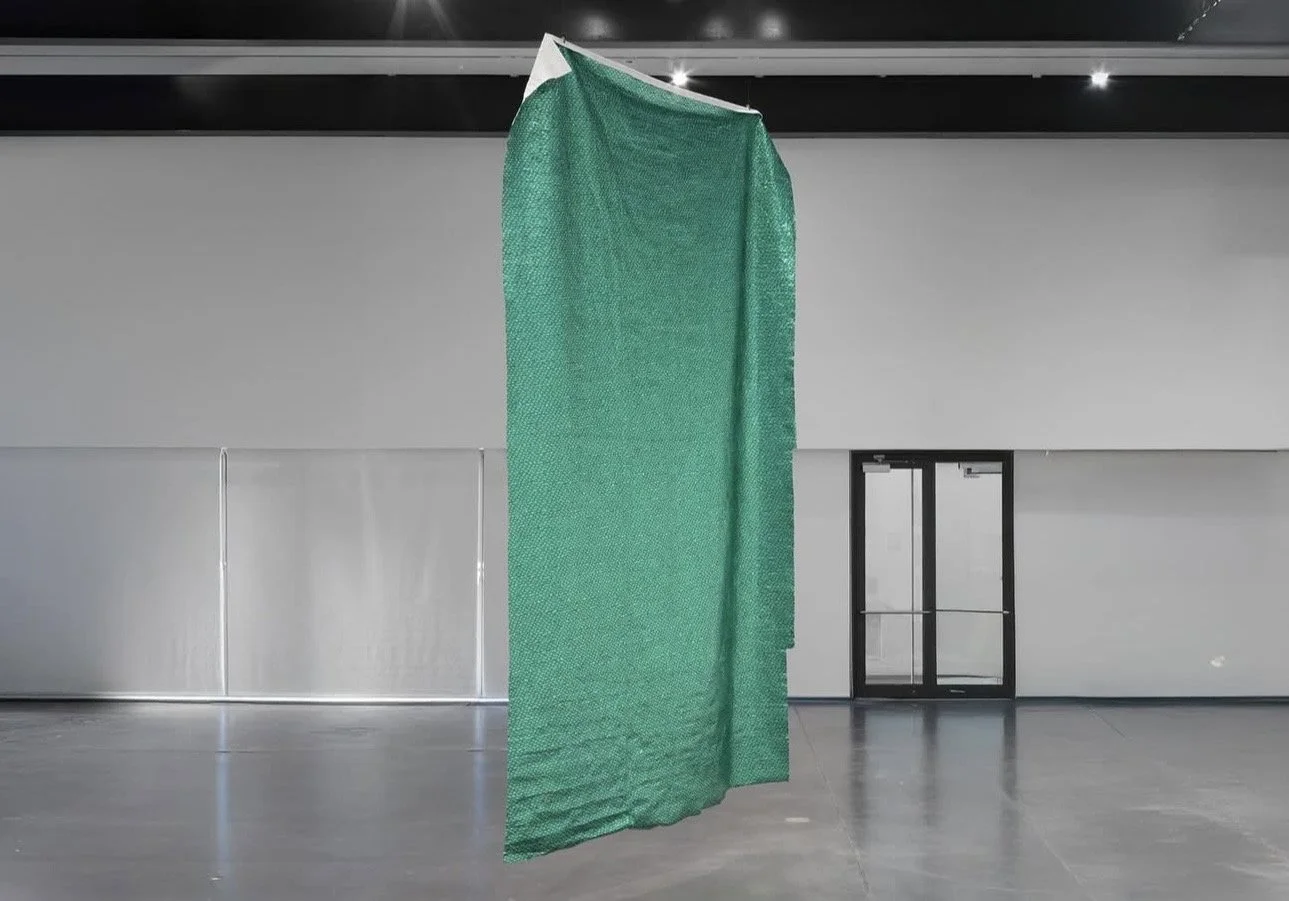
Figure 6: Installation view of Pocket Forest, 2024, Yale University, New Haven, Connecticut. Photo: courtesy the artist and Pat Garcia
PM: Oh yes this work is so much fun. The name is Pocket Forest. That title comes from an actual ecological term used to describe miniature woodlands in urban spaces where migrating birds go to feed during their travels. This pocket forest for me is a fake mountain. The fabric is made from chocolate wrappers from a brand called “Andes Chocolates” which ironically we don’t have in Colombia! So when I saw it, I thought it was so interesting and I decided to do something with it. When reading about the brand I came across the reasons behind the name and it was something in the tune of the owners name being Andy, which didn’t sell well because other guys didn’t like to give chocolate to their girlfriends with the name of a guy. So he changed it from Andy’s to Andes. I loved the absurdity of it.

Figure 7: Andes Candy
My first sensation of being a foreigner when I moved here was the flat horizon line. I’m from Medellín, where there's a 360 view of mountains. It’s impossible to take a picture and not have a view of mountains in the back. I was thinking “how can I make a sensation of a mountain for myself?”
I don’t even like chocolate. And it’s a mint chocolate, which is even worse for me [laughs]. So I decided to put a bunch of chocolates everyday in the art department building and ask people to leave the wrappers behind when they ate it. The painters were eating these candies for months. It was so funny and sweet because it ended up being a collective piece. In the end I think I used around 4,000 wrappers.
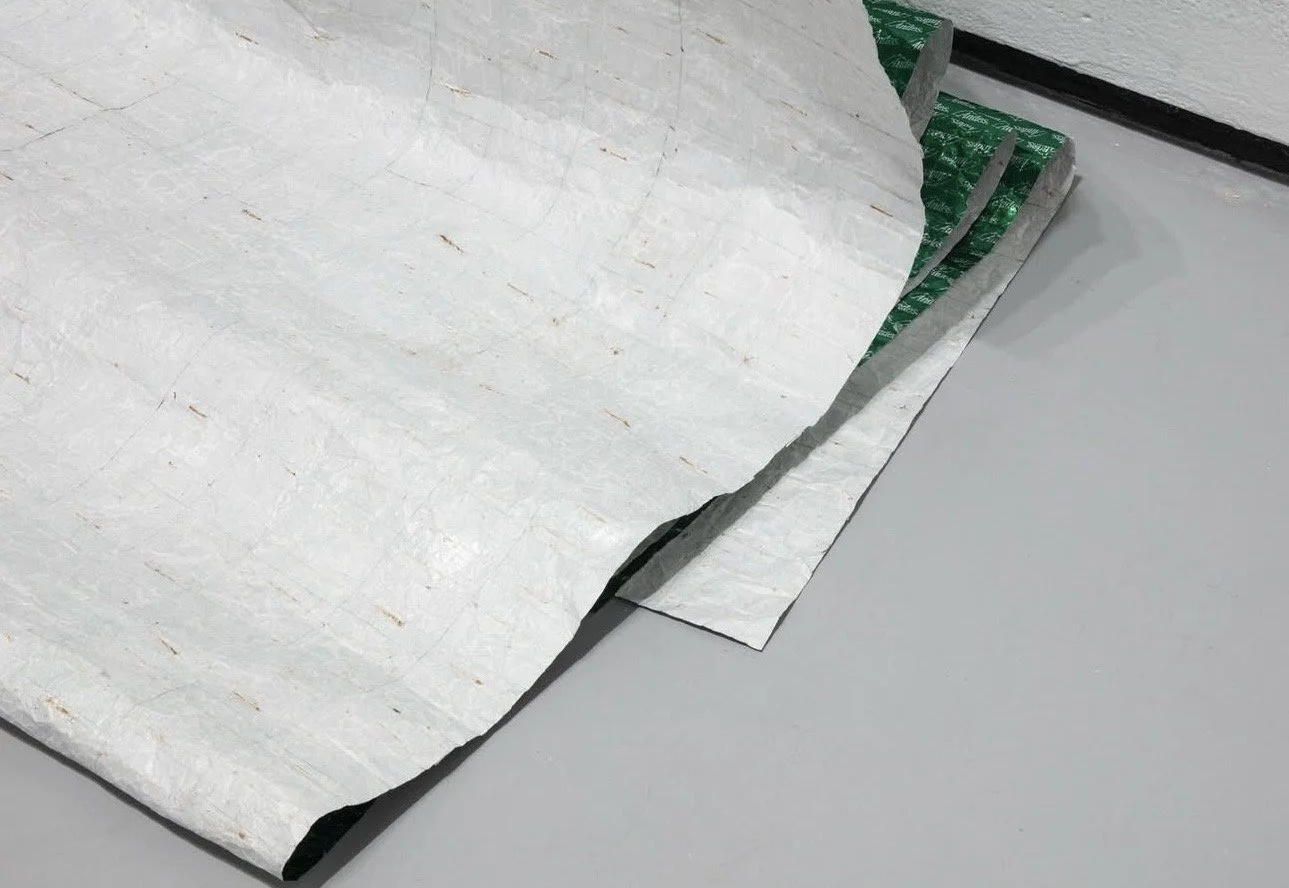
Figure 8: Paulina Moncada, Pocket Forest [detail], 2024, Andes candy wrappers and glue, dimensions variable. Photo: courtesy the artist and Pat Garcia
LX: That’s a lot of chocolate for you to be buying and collecting!
PM: Yeah I know it’s crazy but I did it through time. Sometimes people would say “I ate 4 today”! And I started noticing these small gestures of how they fold the wrappers for me to collect. One time I found an origami crane. It made me feel very connected to the people there.
Anyway, the installation had a motor, and it was going up and down slowly like a plant that is growing and dying, so there was this notion of cycle and time. I didn't want people to notice immediately, it was meant to be a slow reflection of time. I’ve worked with machines before and at the end all of them are clocks, basically. Always measuring time
LX: How have you worked with machines before?
PM: My undergrad thesis was a pendulum with light and drawings.
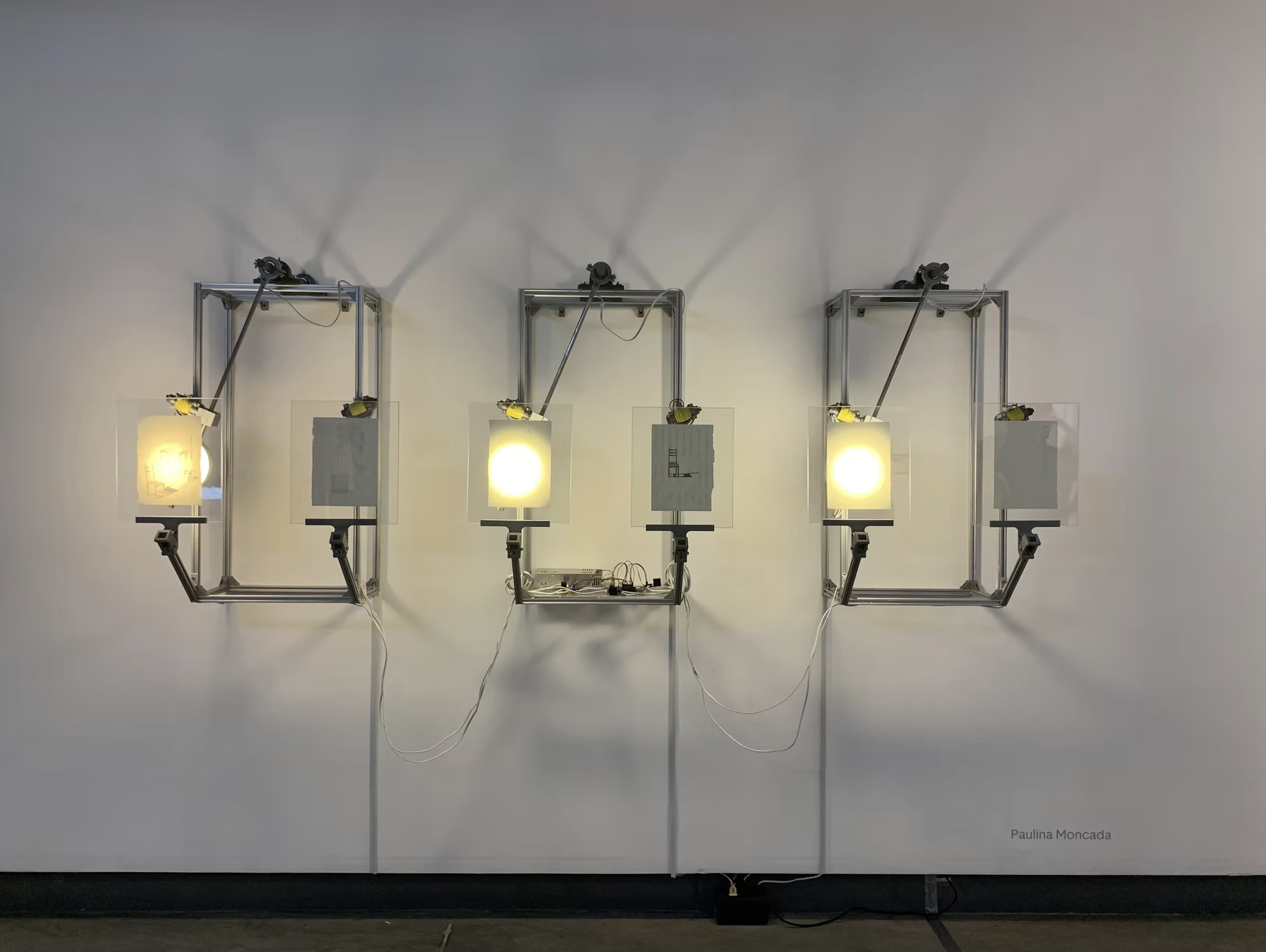
Figure 9: Paulina Moncada, Self-Portrait, 2020, aluminium, light pendulums, electromagnets, and graphite on laid paper, dimensions variable. Photo: courtesy the artist
LX: This is so cool. I like that you incorporated a pendulum.
PM: Yes, the paper has drawings on the front and the back so when the light is behind the drawing it reveals a double image.
LX: What made you want to do this with chairs and slits?
PM: It was about drawing itself. Pencils, chairs, text, and traces. I wanted to explore the autobiography quality of drawing, its closeness to writing that is not language. Machines are a part of my practice, but a slower part of my practice because it takes a lot of try and error.
LX: So did you sew the Andes chocolate wrappers together?
PM: I just glued the wrappers together! It’s super sturdy. It’s surprisingly really strong.
LX: Why did you decide to make it this scale?
PM: I wanted the viewer to look up. In terms of color something beautiful happened: I wanted the green to be facing the wall, and then the reflection of light created this beautiful situation where the green was being casted on the wall. That happened with the high altitude, and because it’s a mountainous piece it was important for the work.
LX: How does religion inform your work?
PM: I think about mysticism a lot. As I told you I grew up in a Jesuit high school, so there’s definitely something there about going further oneself, to find a way for more openness and how to be attentive to the mystery. It goes to religion but also something beyond that, an interior place to find empathy and generosity toward beings and things around you. It’s about naming the world as well and finding ways for more intimacy with which is not only human made or made for humans but everything else.
LX: What a fun installation! I’m also really drawn to this firefly painting. There’s something fascinating about how the absence or omission of people actually pulls you in and makes you reflect on your own place within it. What inspired you to incorporate shadows and the firefly as elements?
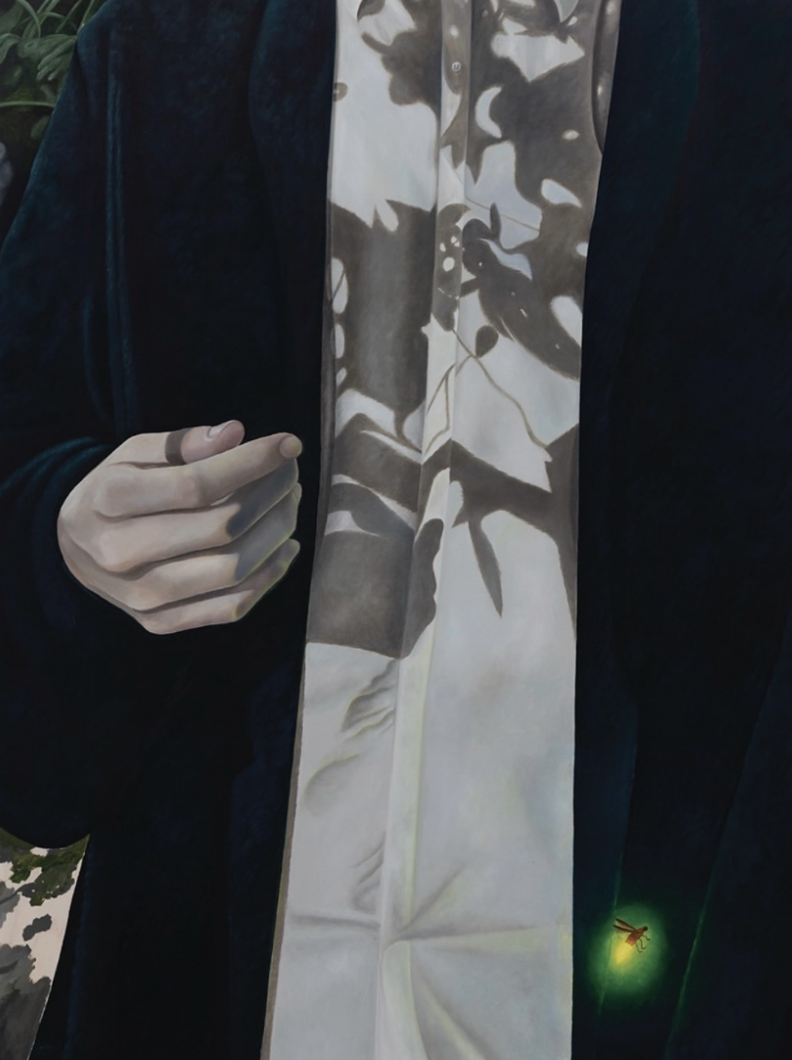
Figure 10.1: Paulina Moncada, Fortunate Conditions of Being [detail], 2024, oil on wood, 48 × 36 inches (121.92 × 91.44 cm). Photo: courtesy the artist, Pat Garcia, and Oolong Gallery
PM: The firefly is very important to me because there were a lot of them in Medellin when I was growing up. They’re disappearing globally because of light pollution. Going back to religion, I was thinking “what is a microscopic sign of apocalypse”? We are always attuned to big gestures that are destroying the world. It's present every day; it’s almost impossible not to think about them but there’s also small disappearances that signaled that descent. I was thinking about the difference between disappearance and erasure. The firefly was also a perfect painting challenge because it was my first time having light in a painting as the protagonist. This painting taught me how to use underpaint. Even though the firefly is very small it carries the whole painting.
LX: So for you the creature is the protagonist in your work?
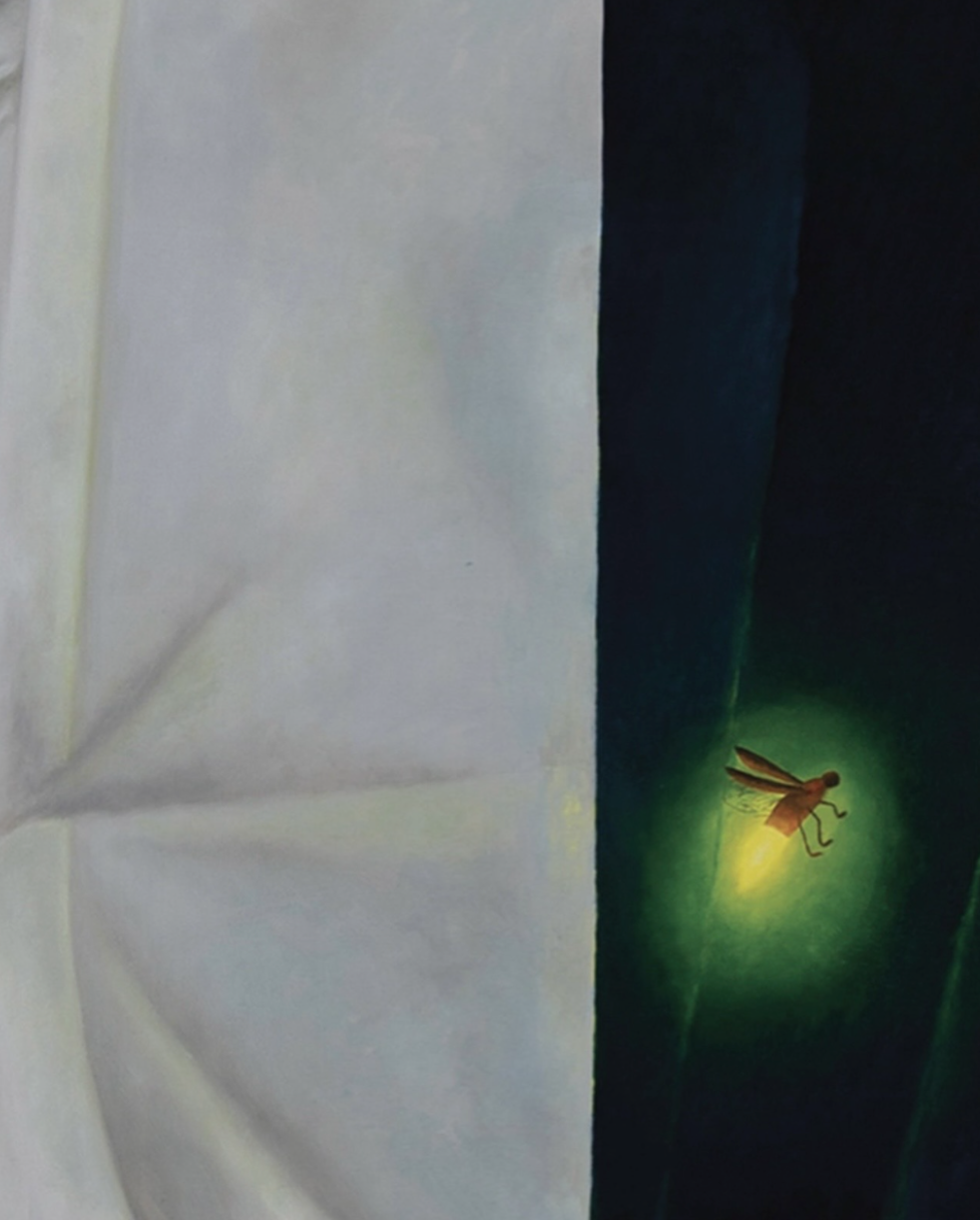
Figure 10.2: Paulina Moncada, Fortunate Conditions of Being [detail], 2024, oil on wood, 48 × 36 inches (121.92 × 91.44 cm). Photo: courtesy the artist, Pat Garcia, and Oolong Gallery
PM: Yes and the human there has a secondary role. I think about hierarchies in my painting, and how to disrupt the notion of landscape being the background, what if we turned that on its head? What if the landscape is an active witness that looks back at us?
I was watching Masao Adachi’s film again, who during his youth constructed a theory alongside other Japanese filmmakers called Fukeiron. That theory of cinema proposed landscape as an active witness which represents a state of power. They were using the historical context of Japan as a framing device while using landscape to pose questions instead of answering them.
What if the landscape is an active witness that looks back at us?
How can I bring another notion of what the landscape is and what the subject is? That’s why I use the shadow to consider the outside of the painting, the tree in the periphery that is not in the frame. It’s indexical in that sense.
LX: I also love the omission of a head and that it’s an ominous hand.
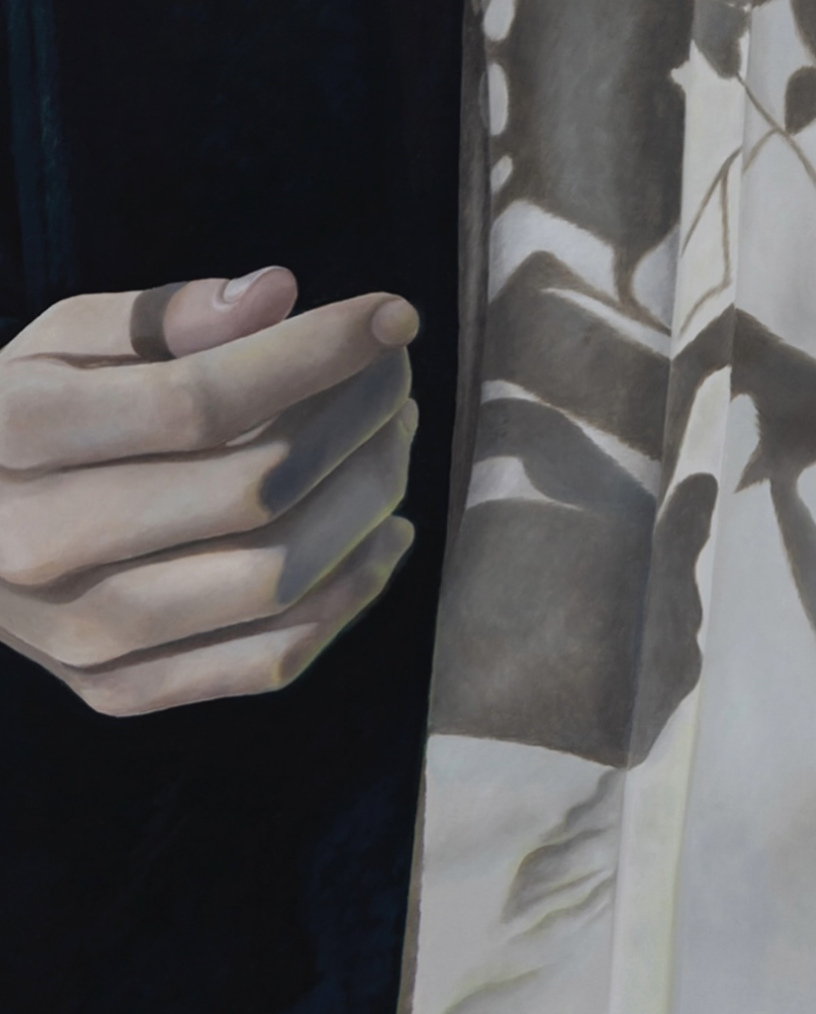
Figure 10.3: Paulina Moncada, Fortunate Conditions of Being [detail], 2024, oil on wood, 48 × 36 inches (121.92 × 91.44 cm). Photo: courtesy the artist, Pat Garcia, and Oolong Gallery
PM: I like that the hand looks untrustworthy. The tension here, which was very important to me, is what is this hand doing in proximity to the firefly, because it implies a degree of harm. The same happens while approaching the sleeping animals, and the active role of the spectator towards them. “Are the animals sleeping or are they already dead?”
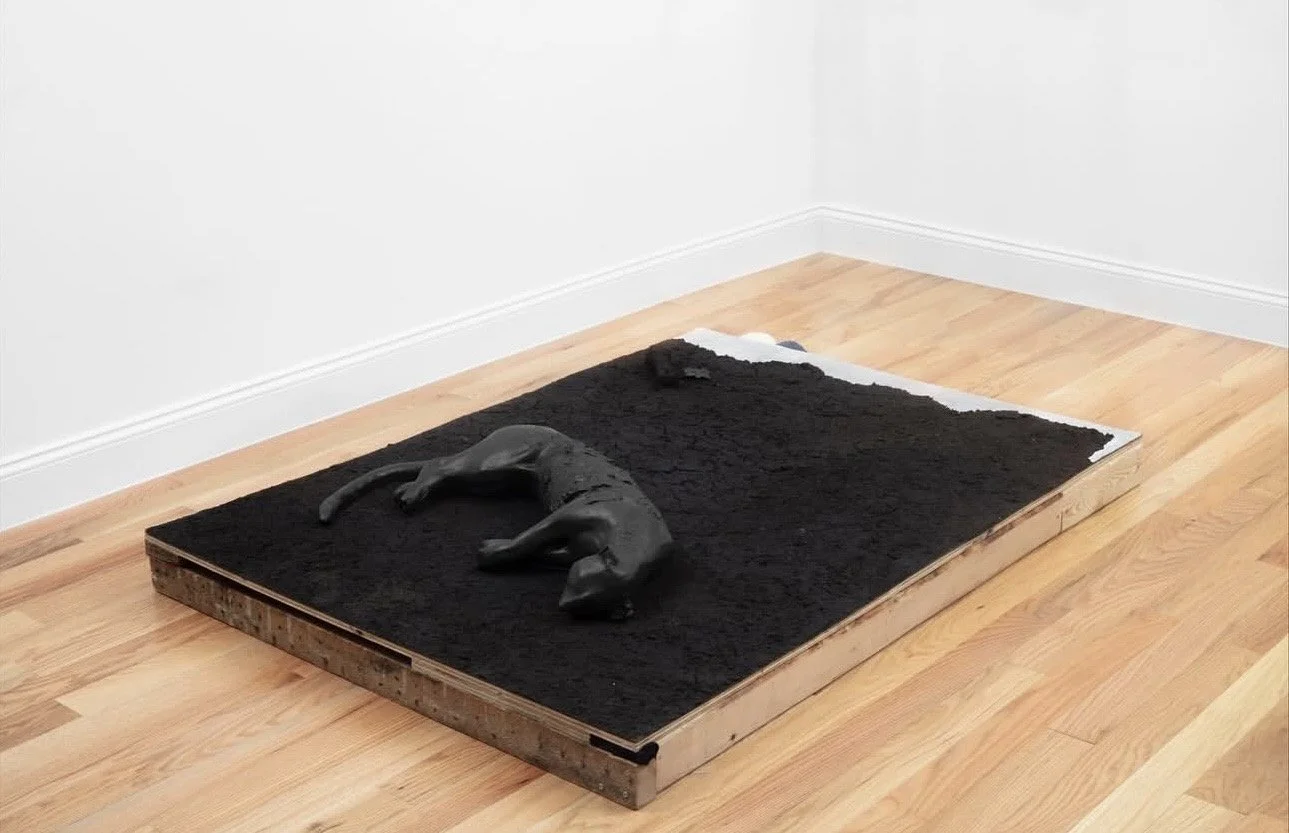
Figure 11.1: Paulina Moncada, Husk, 2026, soil, cinnamon, aquaresin, acrylic, and St. Francis of Assisi figurine, 66 × 42 inches (167.64 × 106.68 cm). Photo: courtesy the artist, Pat Garcia, and Offline NYC
[Shows image of slumbering feline sculpture] In this newer work called Husk, I wanted to experiment with showing another animal sleeping, but I used leaves and candy wrappers made out of the aluminium, the Andes candy wrappers, on top of it before casting it. I also placed the aluminum foil wrappers on the bottom of the piece. A lot of people had strong feelings about it. I was thinking about death in a luminous way. And as a little secret, I hid a figurine of Saint Francis of Assisi in mud next to some of the wrappers, resting with the animal [laughter].
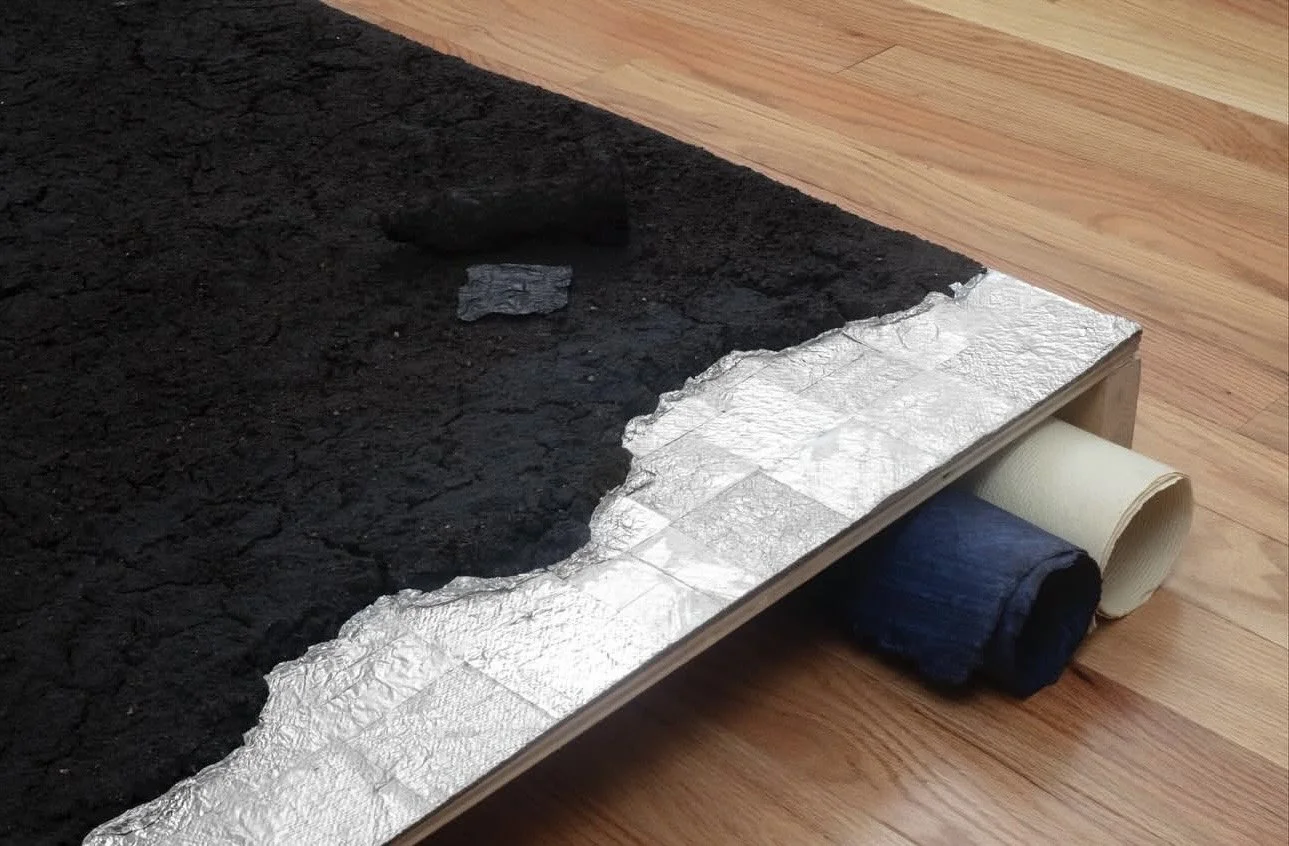
Figure 11.2: Paulina Moncada, Husk [detail], 2026, soil, cinnamon, aquaresin, acrylic, and St. Francis of Assisi figurine, 66 × 42 inches (167.64 × 106.68 cm). Photo: courtesy the artist, Pat Garcia, and Offline NYC
LX: I love that! I also wanted to mention your point of candy wrappers and capitalism. Did you intend that to be a pop cultural inflection or a commentary on capitalism at all?
PM:. More than a commentary I was thinking about human and non-human traces, which of course goes back to when I was making the Andes candies mountain. It confronted me with notions of waste, especially using food. I often try to consider how and why we use the materials we use as artists, and to consider the impact of leaving those material traces. I liked that the consequence of a big scale of use of chocolate became a relational dynamic with the other painters in the building.
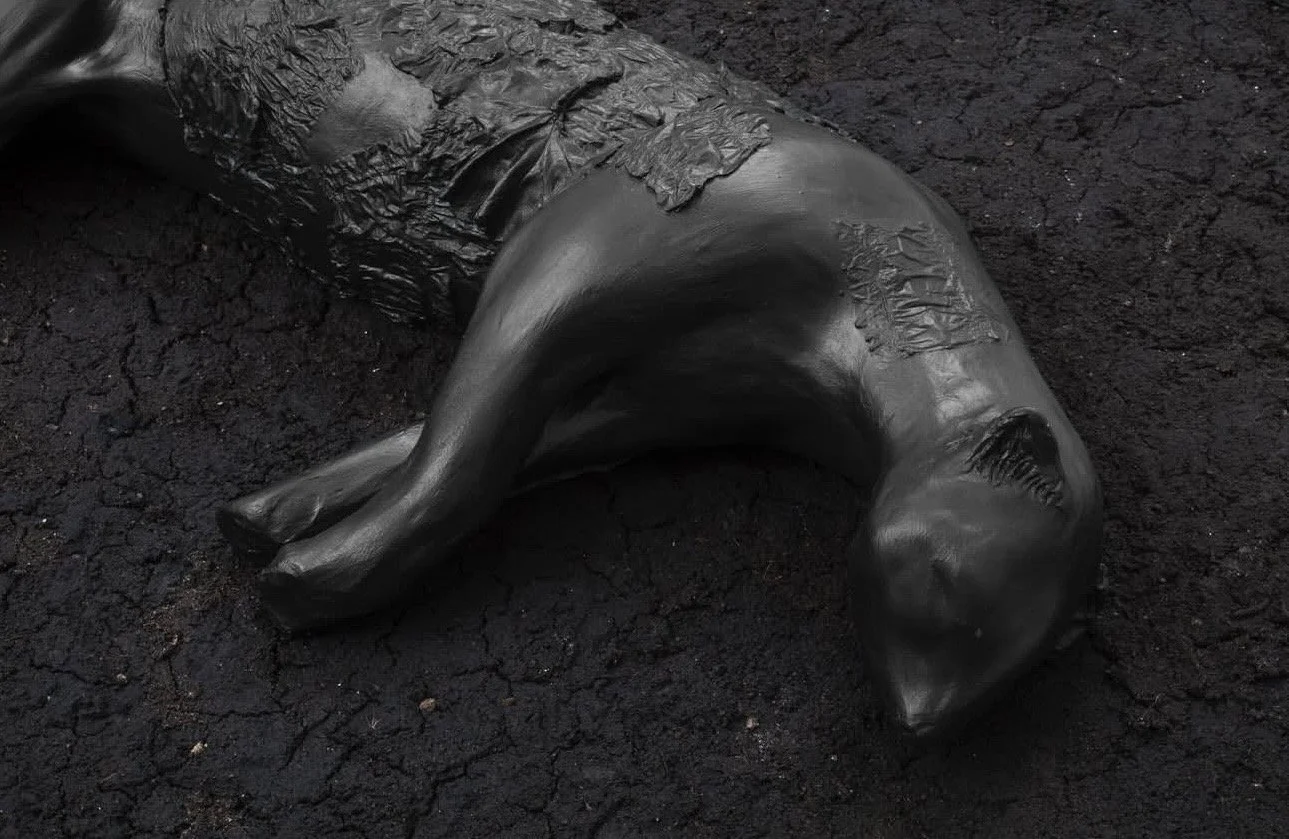
Figure 11.3: Paulina Mocada, Husk [detail], 2026, soil, cinnamon, aquaresin, acrylic, and St. Francis of Assisi figurine, 66 × 42 inches (167.64 × 106.68 cm). Photo: courtesy the artist, Pat Garcia, and Offline NYC
I think pollution comes not only in a material dimension but in the images we make too. I think artists should be aware of that. One more image, one more painting in a polluted world makes images and art objects fragile. If we think about the economy of gesture as something that can do heavy lifting with so little like a Lois Dodd painting, how can we think about that in material terms too, and even further in the images we bring to life?
LX: And it’s cool that you also chose this material. What is it?
PM: The cast is Aquresin, less harmful than normal resin, and for the platform I used soil mixed with cloves, cinnamon, sand and acrylic medium.
LX: Did it smell?
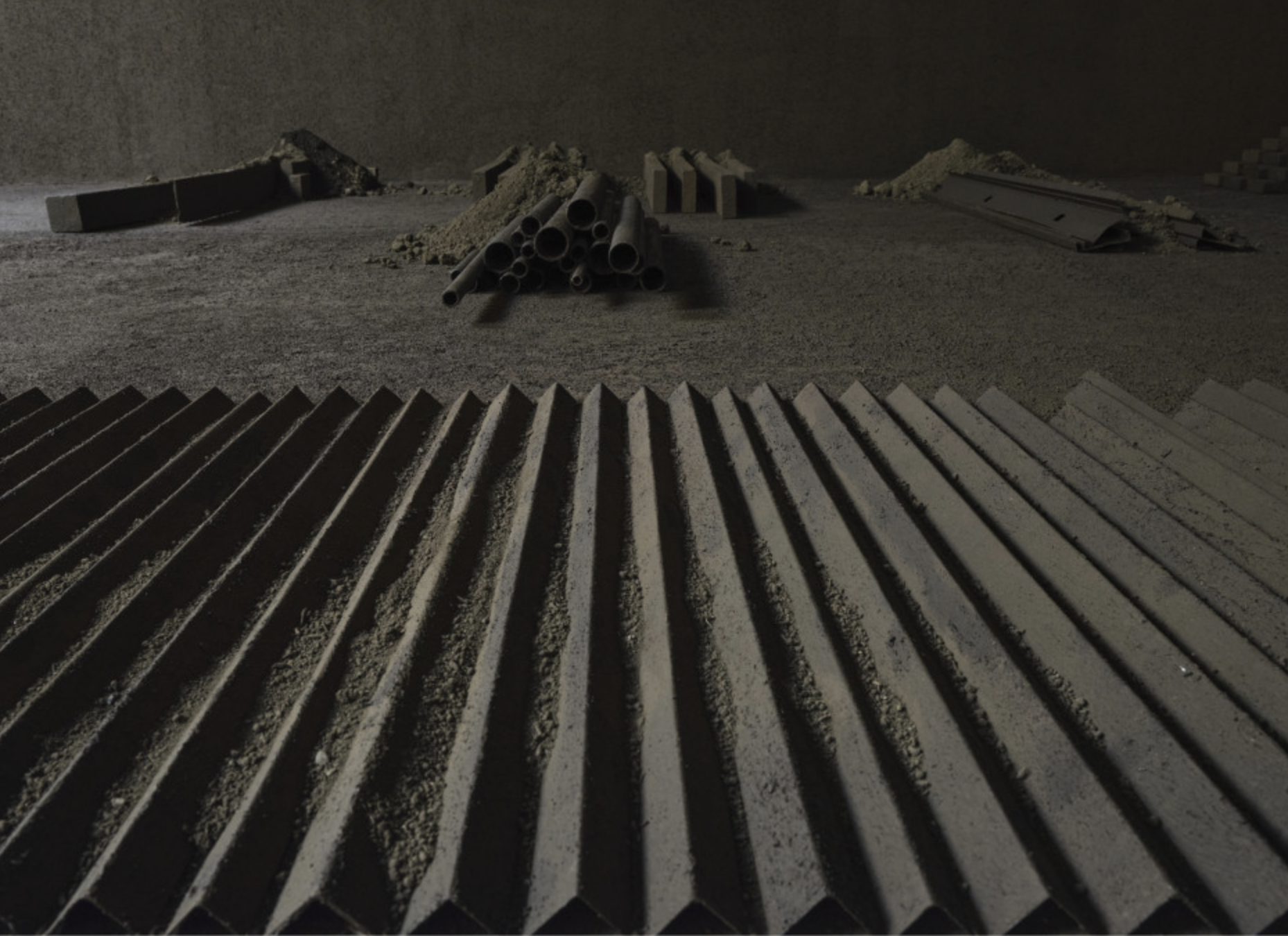
Figure 12: Installation view of Delcy Morelos: El abrazo at Dia Chelsea, 2023–2024. Photo: courtesy Dia Art Foundation
PM: Yes. It was inspired by the Delcy Morelos’ exhibition at Dia Chelsea. I saw that she was using cloves and cinnamon to mix the soil because both have antifungal properties and it preserves the soil. One of the greatest artists and Colombian artists out there. I wanted something very dark but I didn't want to use pigment, so I went for a material color.
LX: That must have been such a mixture.
PM: [Points to the floor in front of the couch] I made it in this living room. I had to put it on the floor with plastic and everything. And the sleeping creature is a Jaguarundi; a very elusive feline that goes from South America and to Mexico and sometimes even higher to the north of America. It’s very hard to see it because it’s nocturnal, and it’s almost impossible to see it resting. The piece is placed in a night situation to explore the unseeable. The other day someone said that this piece is like a “sleeping painting” and I was like “Yeah!” That was definitely a step forward in terms of experimenting with materials.
LX: Why the notion of rest though? What about physical exhaustion entices you to make these works?
PM: I am interested in a sense of exhaustion, and the vulnerability of that state. We create spaces for rest that are very intimate and enclosed and other animals do that too. I’m interested in imagining and pointing to what those are. The platform for the Jaguarundi has these rolls of hand-made paper to make people kneel and see it closely, look at the surroundings of where this husk of an animal is resting. And that contested space goes back to the Pocket Forests, islands and bridges between construction of both humans and nonhumans.
LX: And where do things congregate?
PM: I think that becomes a little religious too. I try to be aware and think of what the work is pushing as ideology. I think art has prophetic function too, it lives thinking about the future. I was listening to the Argentine filmmaker Lucrecia Martel, who I love and she was speaking about the importance of prophecy in art. The technological development we are seeing, the level of surveillance, those were addressed across literature and film years ago, artists were imagining and starting that this was going to happen. Lucrecia was asking what kind of prophecy are we putting out there as artists. The Jaguarundi sleeping, the actual one, we might want to see that, photograph it, study it and name it, but maybe it’s better that we never see it sleeping, that it remains mysterious. We can turn into an object instead of finding a way to track its trace in the real world and to witness it.
LX: That religious innuendo is intriguing. I also like that you're letting the paint drip.
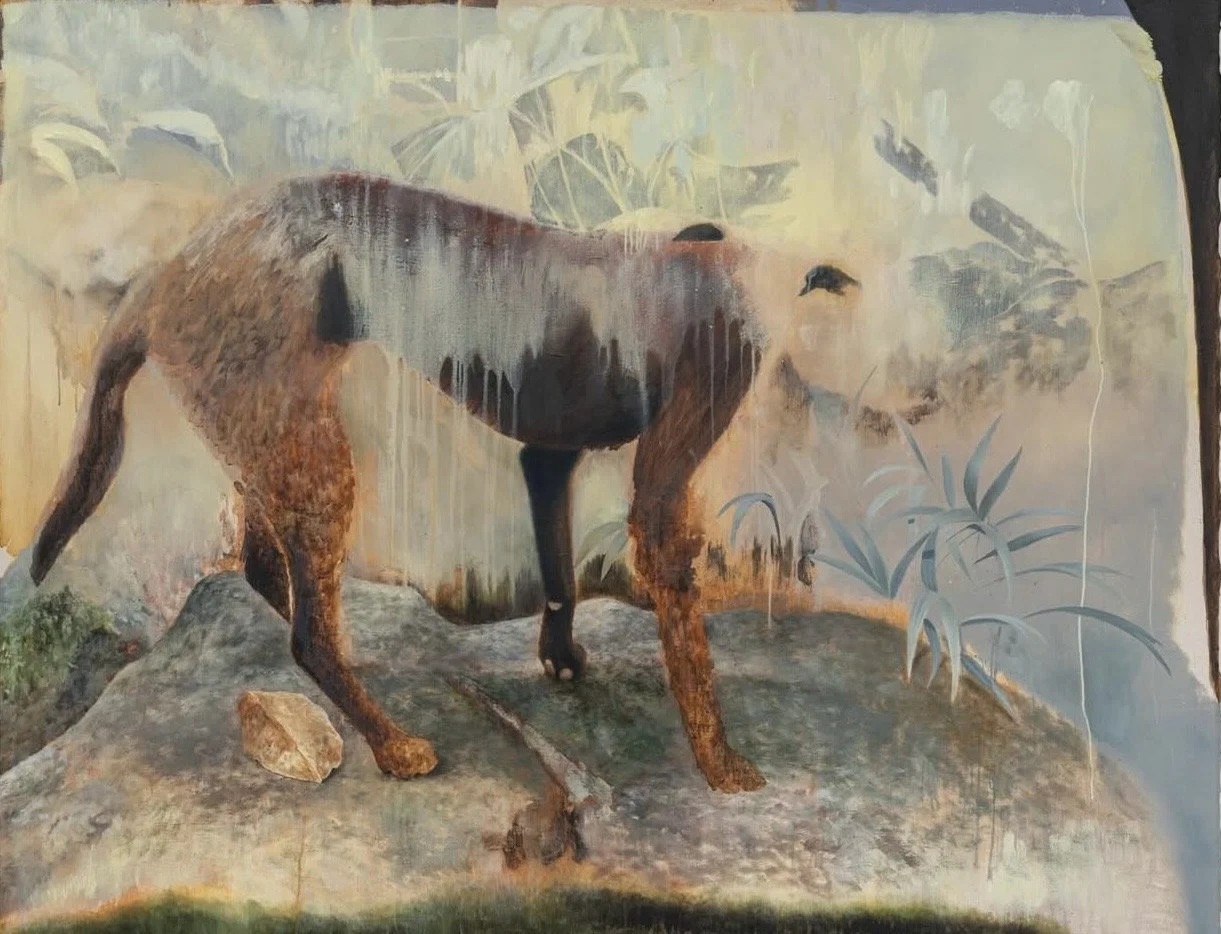
Figure 13: Paulina Moncada, Of Being Numerous, oil on canvas, 55 × 43 inches (139.7 × 109.22 cm). Photo: courtesy the artist, Pat Garcia, and Oolong Gallery
PM: Yes, this painting was at Fredericks & Freiser in Chelsea. The intensity of the drip is something new for me. I do think that painting is a catastrophic medium and very religious too. Deleuze says painting is about Genesis. It’s always about resurrection. To work with the drip I started pairing more on the floor. I think it invites the viewer to slow down, so I’m spilling Gamsol and different kinds of oil which take longer to dry. It’s fantastic [grins]. I love letting the painting sit and rest again for days, and let the puddles of oil dry in a way that I cannot control. It’s becoming more and more important in my work. The drip can be somewhat directed because you can lift the painting a bit and then give it gravity and direction. The way that the color rests when it’s dry is the same mystery to me [laughs].
LX: How do you choose your animals?
PM: I gravitate to animals that look strange and can have multiple readings. I use a lot of images of different animals for reference. The glow in this piece is because of the underpaint. I like to create this opening for people to see different layers of the painting. I love when other painters do that too. There are parts of the canvas which are raw and others heavily treated. I'm trying to, without being didactic, show the joy of painting, the structure of it, the skeleton of layers, and colors, and the chemistry of it too.
LX: How do you choose titles, like Of Being Numerous?
PM: That’s because a friend of mine at Yale called Rayer Ma, an excellent artist. She showed me this amazing poem by the poet George Oppen called Of Being Numerous, which is about New York. I read the first part and immediately knew that was the title. Titles for me often stem from what other people say.
LX: That speaks to your semiotic point too.
PM: Exactly. The poem opens with: “There are things we live among and to see them is to know ourselves.”
LX: That's so fitting for your whole practice. Also are these plants native to a place? They look specific.
PM: Yes and with the animals too I'm trying to find specificity and also openness. For the Latitude Gallery show, I made a painting of a young forest. When I first moved to New York, it was really difficult for me to connect with nature here in the North, so I tried to learn the names of the trees and bushes, and even new birds and then I started feeling bad like I was cheating on the trees, and plants and birds of my home.
LX: Interesting!
PM: [Raises finger] But then I sat with myself and decided resolutely that this attitude is not ok, because Nature is just our idea of placehood. I was determined to learn the names of the creatures and fauna here, which has posed its own challenges when it comes to identifying them. Evergreens are more difficult for me. In the tropics everything has its own spring and autumn , beings never bloom at the same time. I remember I was shocked the first time I saw spring here! That sensation of everything speaking and saying to each the same thing at the same time in a certain choreography is fascinating to me; in the tropics, each plant has its internal time. Sometimes they synchronize and sometimes not.
I’m starting to understand the names of things in nature here more. I’m also focusing more on migratory birds and animals like the jaguarundi that crosses the Americas, carrying resonances and differences between the North and the South.
LX: It’s amazing that you are studying your environments so closely. What’s one of your favorite travel experiences?
PM: Around that time I decided to pay more attention to nature here, I went to Shenandoah Park in Virginia with Rayer. We decided to go and see these caves, which none of us were expecting such a marvelous life changing experience. The caves really distorted my notion of time. They were formed 450 million years ago and the water and its reflection inside was like seeing Gaudí’s cathedral. That really changed my life and my work. Look at this [shows photo]!
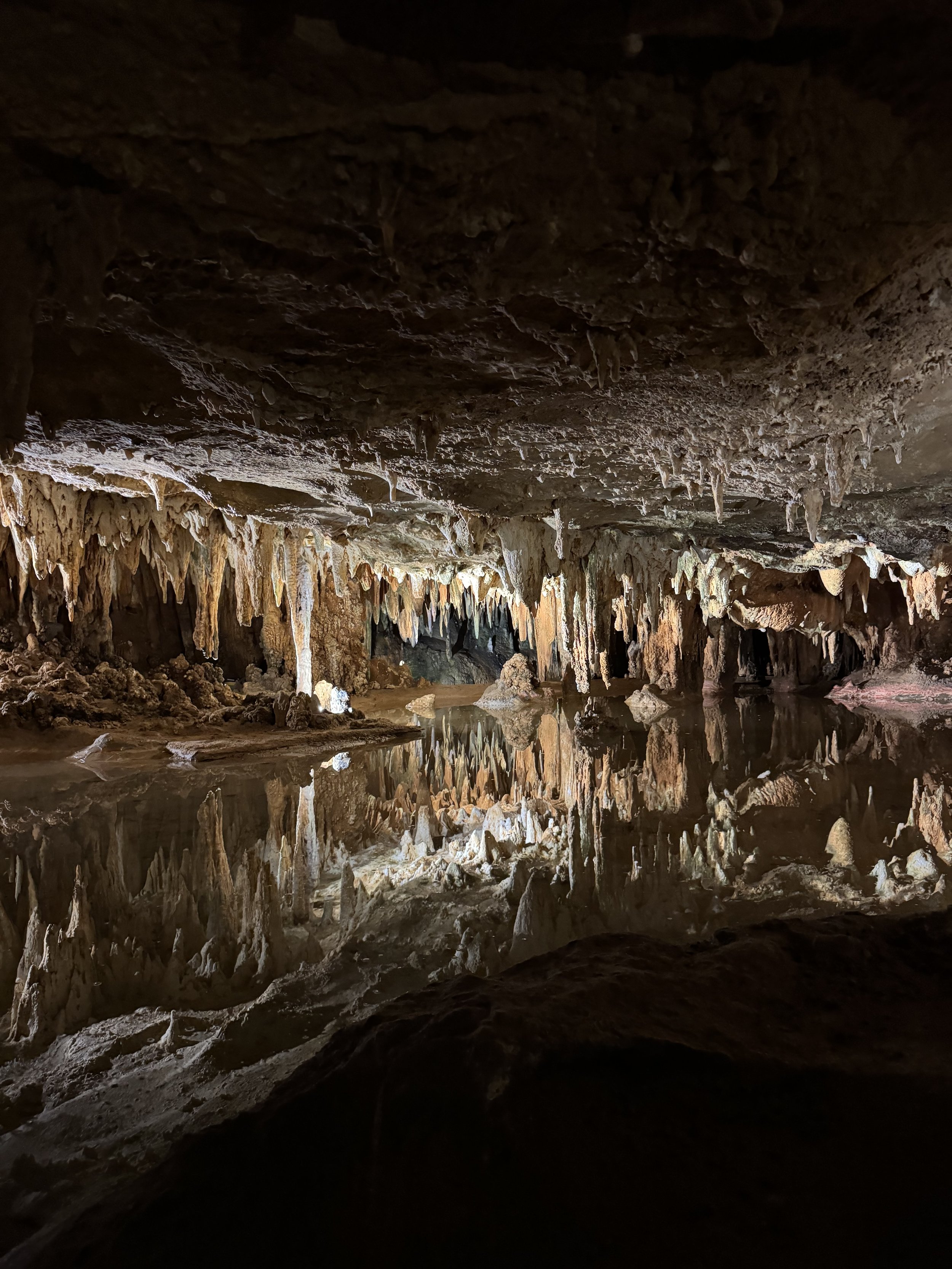
Figure 14: Shenandoah Cave, Virginia. Photo: courtesy the artist
LX: You know, Gaudí apparently used to visit a lot of Mallorcan caves while designing that cathedral! I always think of troglodytes in caves [laughter].
PM: My dad uses that word a lot [laughs].
LX: Who are some of your favorite Colombian artists?
PM: I love Botero. Have you seen the image of Christ crucified in Central Park? It’s amazing. But, going back to my idea about rest, my favorite work of Botero’s is the image of the priests, nuns and cardinals sleeping! He even depicted sleeping politicians. We’re also from the same place and he was just a fantastic colorist. The pairings have an Old-Master-treatment, the materiality is really beautiful.
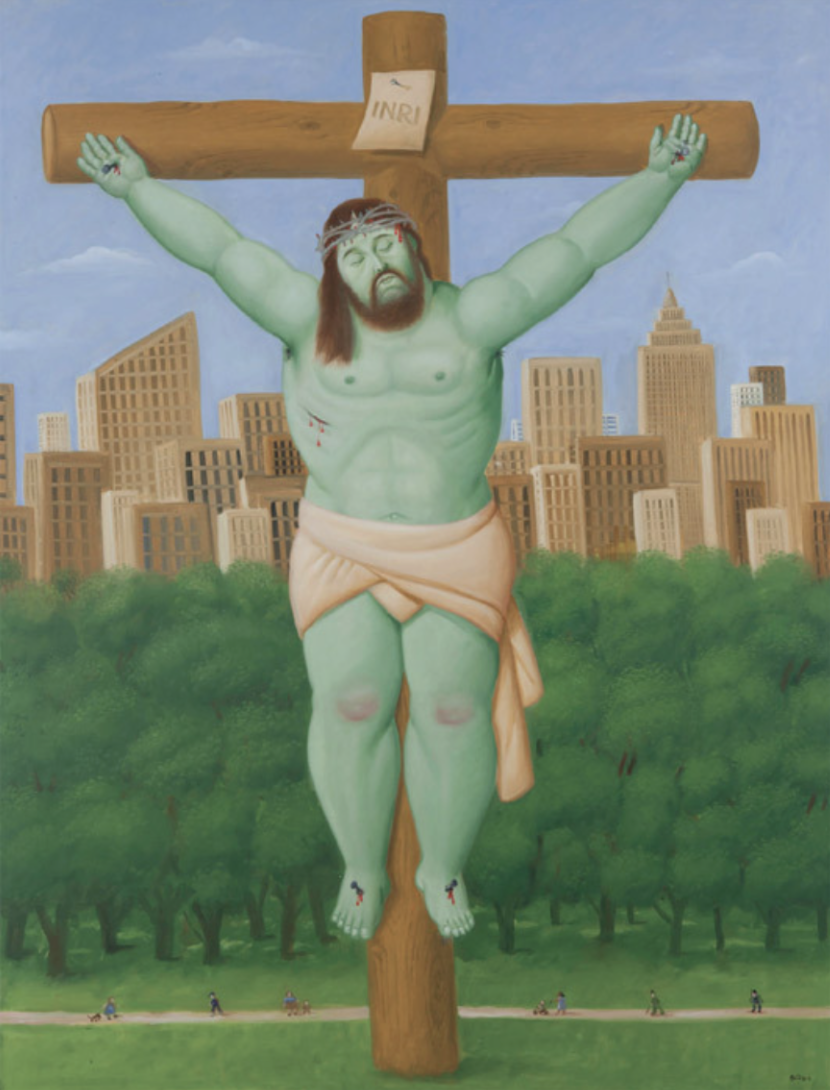
Figure 15: Fernando Botero, Crucifixion, 2011, oil on canvas, 81.13 × 59 inches (206.07 × 149.86 cm). Photo: courtesy Artforum
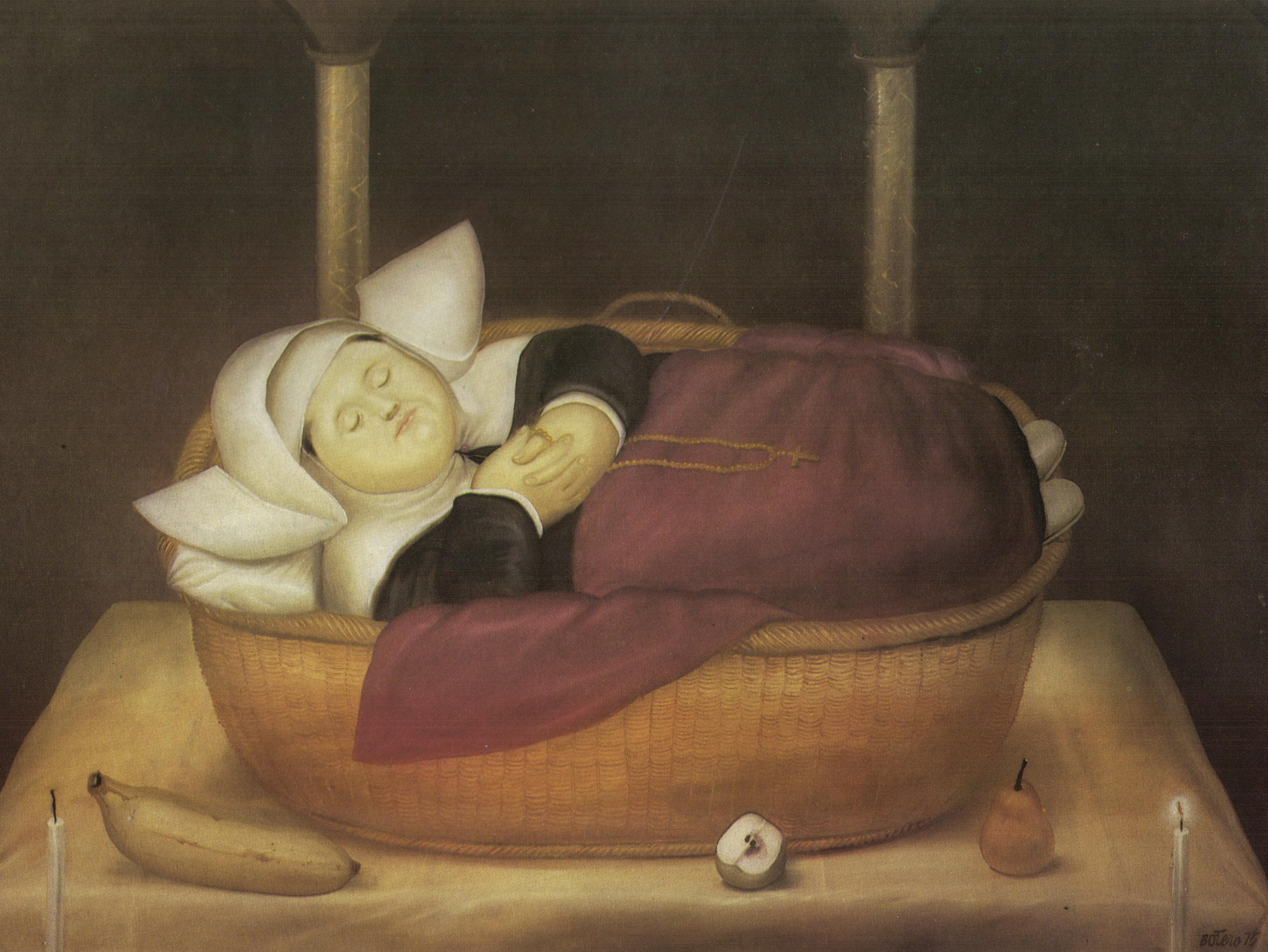
Figure 16: Fernando Botero, Newborn Nun, 1975, oil on canvas, 80 × 65 inches (203 × 165 cm)
The Central Park figure of Christ in green? [laughs] I love his humor. Beatriz Gonzalez also has a humor, a playfulness that speaks with Botero. There’s a very powerful way of using color, and both address social realities in Colombia like the war and even torture. She was using the newspaper a lot and also did a historical book about caricature in Colombia. But the color is doing so much in terms of not reducing the image to just paint but transforming it into something else. That’s a tradition of painting I want to be part of.
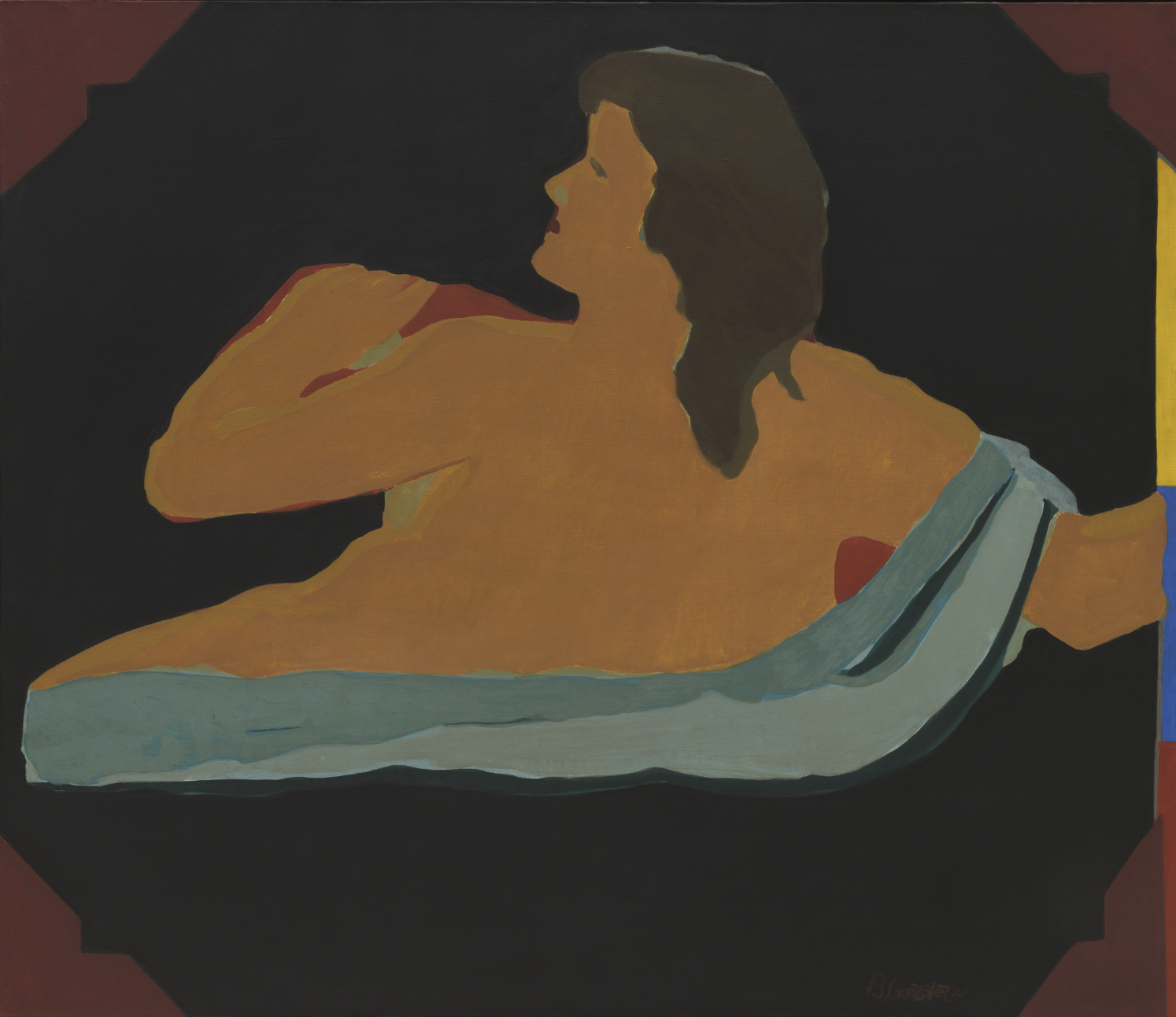
Figure 17: Beatrice Gonzalez, Rionegro, Santander, 1967, 42.13 × 36.25 (107 × 92 cm). Photo: courtesy of the Museum of Modern Art (MoMA), New York, New York
LX: What are you currently working on?
PM: There are a lot of new things. I’m still processing what’s happening in the studio.
LX: What do you use for your underpainting?
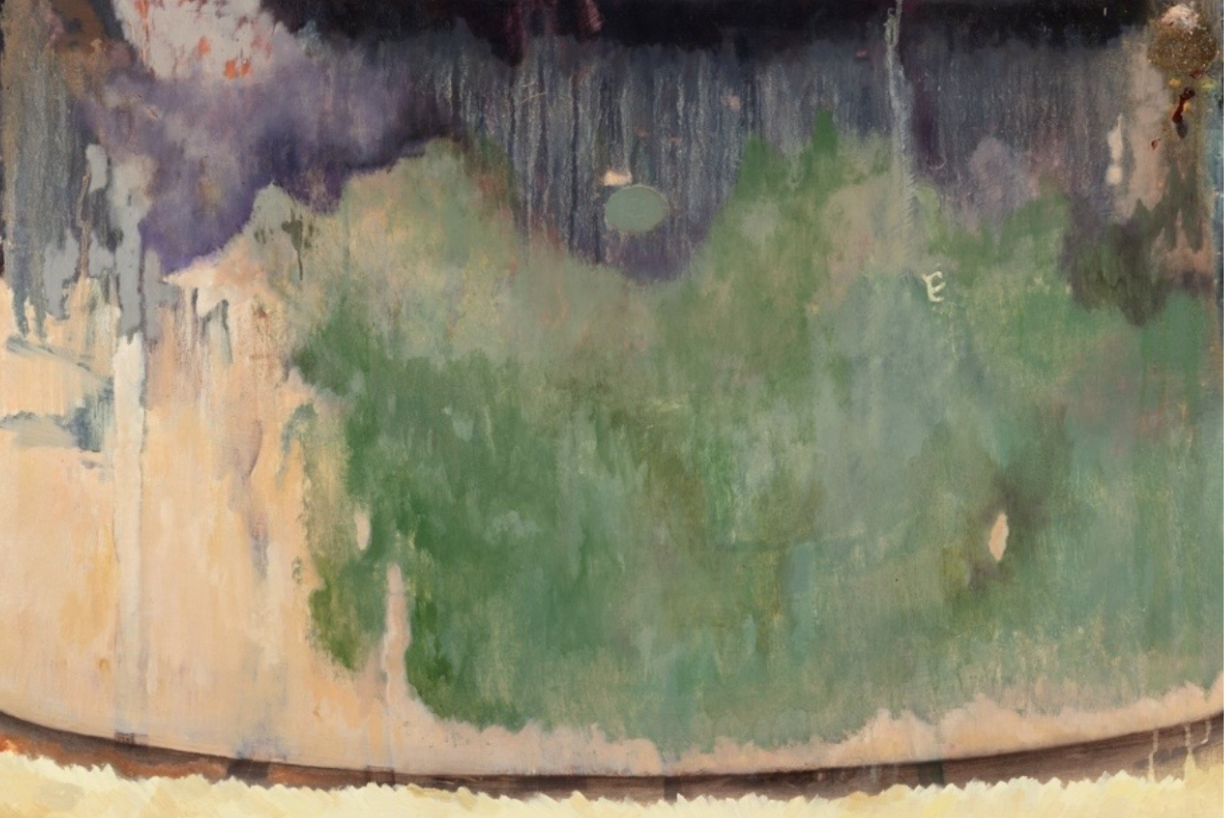
Figure 18: Paulina Moncada, Ripe, 2026, oil on canvas, 36 × 24 inches (91.44 × 60.96 cm). Photo: courtesy the artist, Pat Garcia, and Oolong Gallery
PM: This one has a lot of paintings buried in it, with a brown underpaint. It originally was an Amazonian pink dolphin in the river but at some point, it changed.
LX: I love how this converges with the purple and the green. It feels very alive and almost mossy. It reminds me a bit of Monet’s waterlily technique.
PM: I’m going for that! Wow, I’m so glad you saw that. [Walks towards another canvas] This one is very strange. It's inspired by The Metamorphosis of Plants by Johann Wolfgang von Goethe. He has a whole theory on plant growth. He states that a leaf is the basic form of nature and everything else is just a modified leaf: bark, petals, cepals, etc.
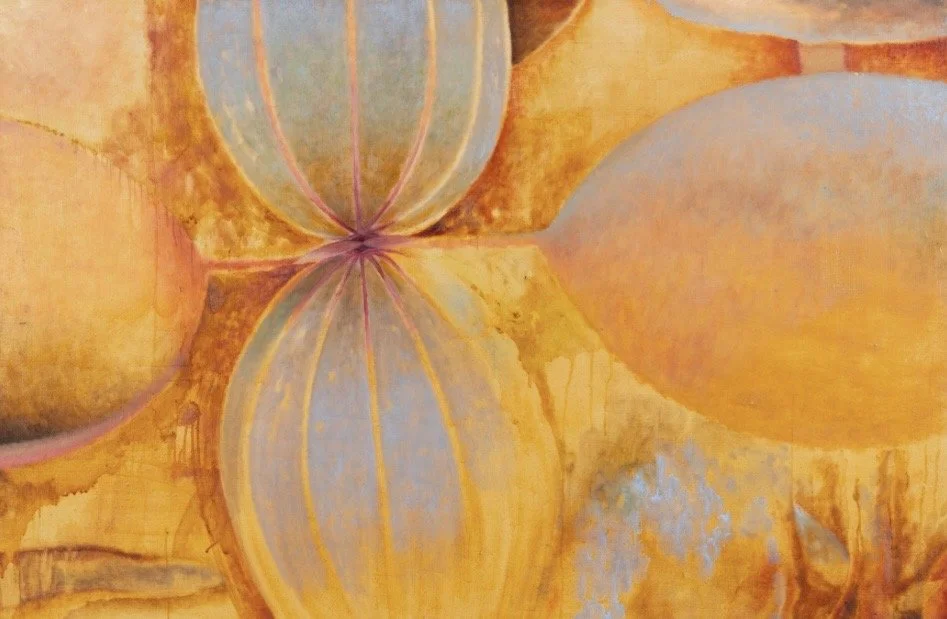
Figure 19: Paulina Moncada, Goethe’s Eye, 2025, oil on canvas, 36 × 24 inches (91.44 × 60.96 cm). Photo: courtesy the artist, Pat Garcia, and Oolong Gallery
LX: The bulbs remind me of Hilma af Klimt’s botany sketches. This work also feels very feminine, and almost womblike or ocular.
PM: Exactly! With the blooming. I’ve been told it looks very ophthalmological.
LX: I can see that. I also like the blue in this work. It reminds me a bit of a cave. What is this based on?
PM: It is giving cave! I was thinking of a staged winter, a fake winter in the theater when they make fake snow. I’ve never done a winter pairing and somehow I felt I had to address it as a staged phenomenon.
LX: Very cool. How did you get the yellow there?
PM: Oh that’s insane. It’s definitely the underpaint showing itself, but to be honest I have no idea how it happened. It is the skeleton of the painting and I'm not comfortable to have it exposed, but it’s there [shakes her head].
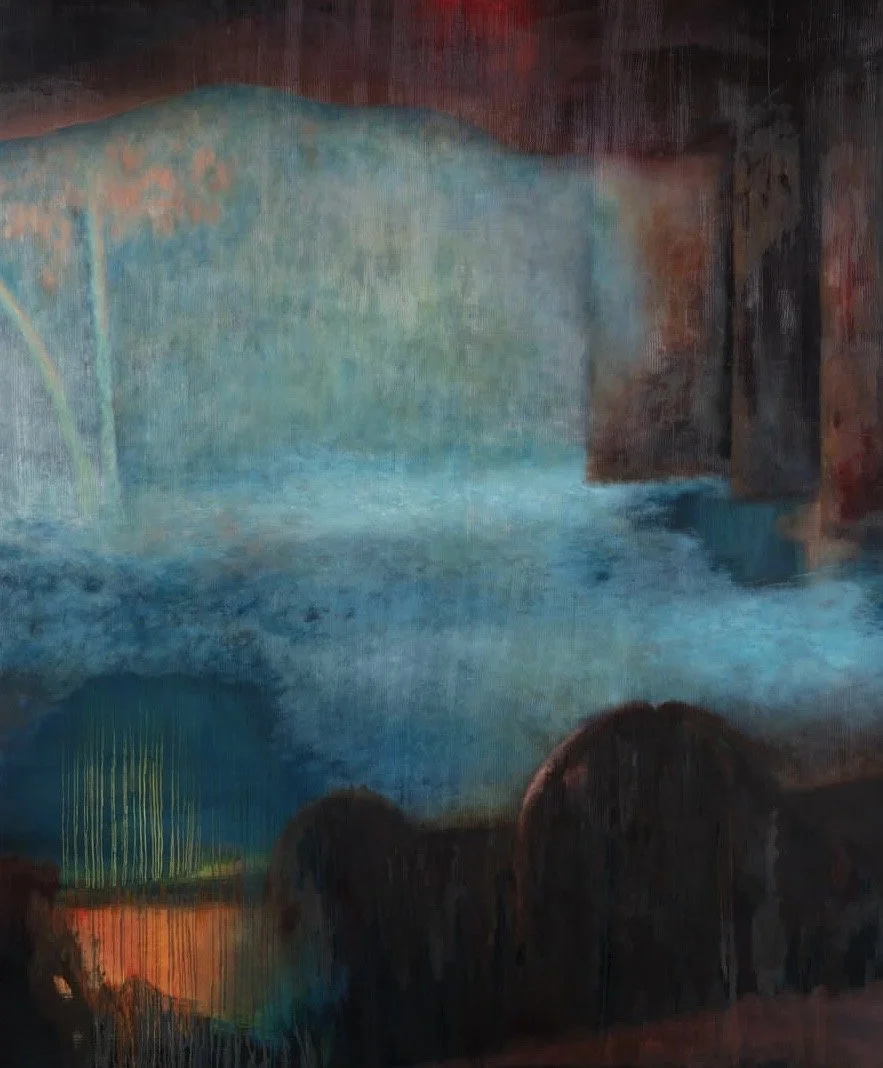
Figure 20: Paulina Moncada, Hindsight, 2026, oil on canvas, 60 × 48 inches (152.4 × 121.92 cm). Photo: courtesy the artist, Pat Garcia, and Oolong Gallery
LX: The lower register is almost lava-ish.
PM: Yes, and this painting is very strange, and it has a lot of paint layers and a dark rich space.
LX: It’s very captivating nonetheless. Is there anything you want to be remembered by?
PM:[Gasps] What a question! Of course I want to be remembered as a really good artist but most importantly I think I want to be a very good friend.
LX: Do you ever feel like when you’re done painting them that they’re almost like your friends?
PM: Completely, that's the history of painting. It's this devotional object, which has been in different times of history very powerful, it’s deeply fetishized and it's also a very humble medium because its technology hasn’t changed that much. It’s pigment, oil and cotton. But what it can do is so much, it can offer space for friendship, stories, religious worship and doctrine, construction and erosion of politics. Hans Belting in Images Before Art speaks about paintings having their own discourse and power inscribed in institutions like the church, when people started to see them as miraculous. They recognized an authority in them besides the institutional discourse. The church retaliated against that power to seek control.
LX: I have to ask: why is Saint Francis your favorite saint?
PM: A lot of reasons. The fables are fantastic. I also think in terms of the values, he was not a martyr, his logic was not sacrificial nor painful. It was about joy and that’s important for me now. In catholicism there are big notions of martyrdom which were inscribed in me since growing up and I had to destroy that logic. And when I found Saint Francis I saw it as another way of looking at the world while having direction. For me art is about orienting yourself towards something.
Old diagrams and drawings depicting Saint Francis showed him preaching to the birds and they look like little arrows pointing to him. When you open yourself to the world you can speak a certain type of language that allows you to see more.
LX: And math is a language too [laughs].
PM: Yes, full circle.
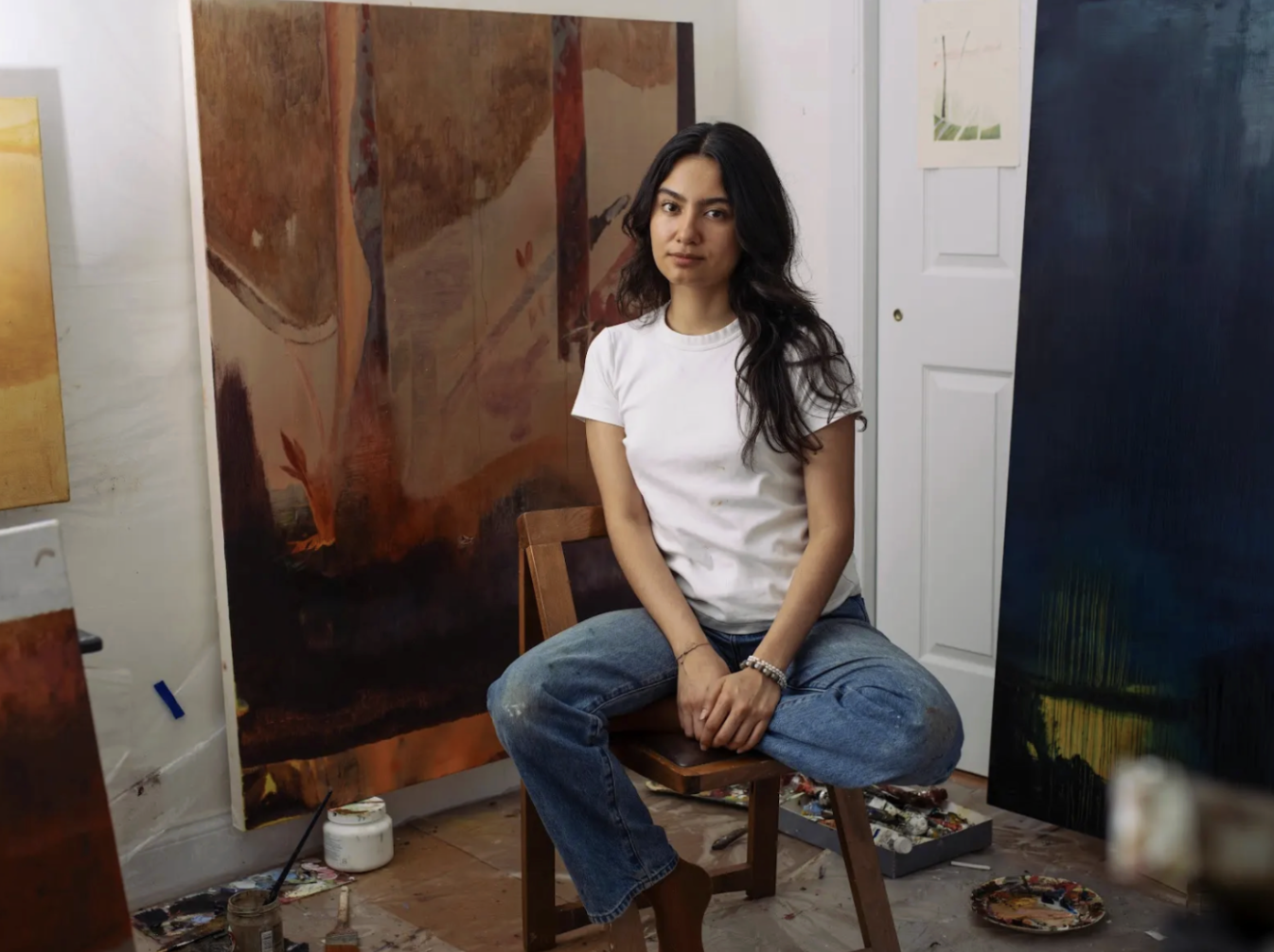
Photo: courtesy the artist and Vani Bhushan
Paulina Moncada
Paulina Moncada (b.1998, Caldas, Antioquia, Colombia) works in painting, sculpture and installation to revisit notions of landscape in the Americas, specifically the Andean Tropics. Echoing the layered language of the Andes, Moncadastacks textures, colors, places and times to portray subtle encounters between human and non-human life. In her paintings absence and presence become possibilities to contrast human perception with what's beyond it.She received an MFA in Painting/Printmaking from Yale University (2025) where she was awarded the Elizabeth Canfield Hicks Award, and a BFA from University of the Andes. Selected exhibitions include Latitude Gallery, NY (2026), Perrotin Gallery, NY (2025) and the Museum of Modern Art of Bogotá (2019). She is currently a fellow at the Bronx Museum AIM Program.
Website: https://www.paulinamoncada.com
Instagram: https://www.instagram.com/paulinamoncadar/