

Raining Mangoes: In Conversation with Hafsa Nouman
Hafsa Nouman turns ubiquitous objects into vessels of memory across painting, printmaking, and architectural installation. Lara Xenia speaks with Nouman about Sufism, her love for mangoes and anaar, and treating her canvases as ‘archaeological sites.’
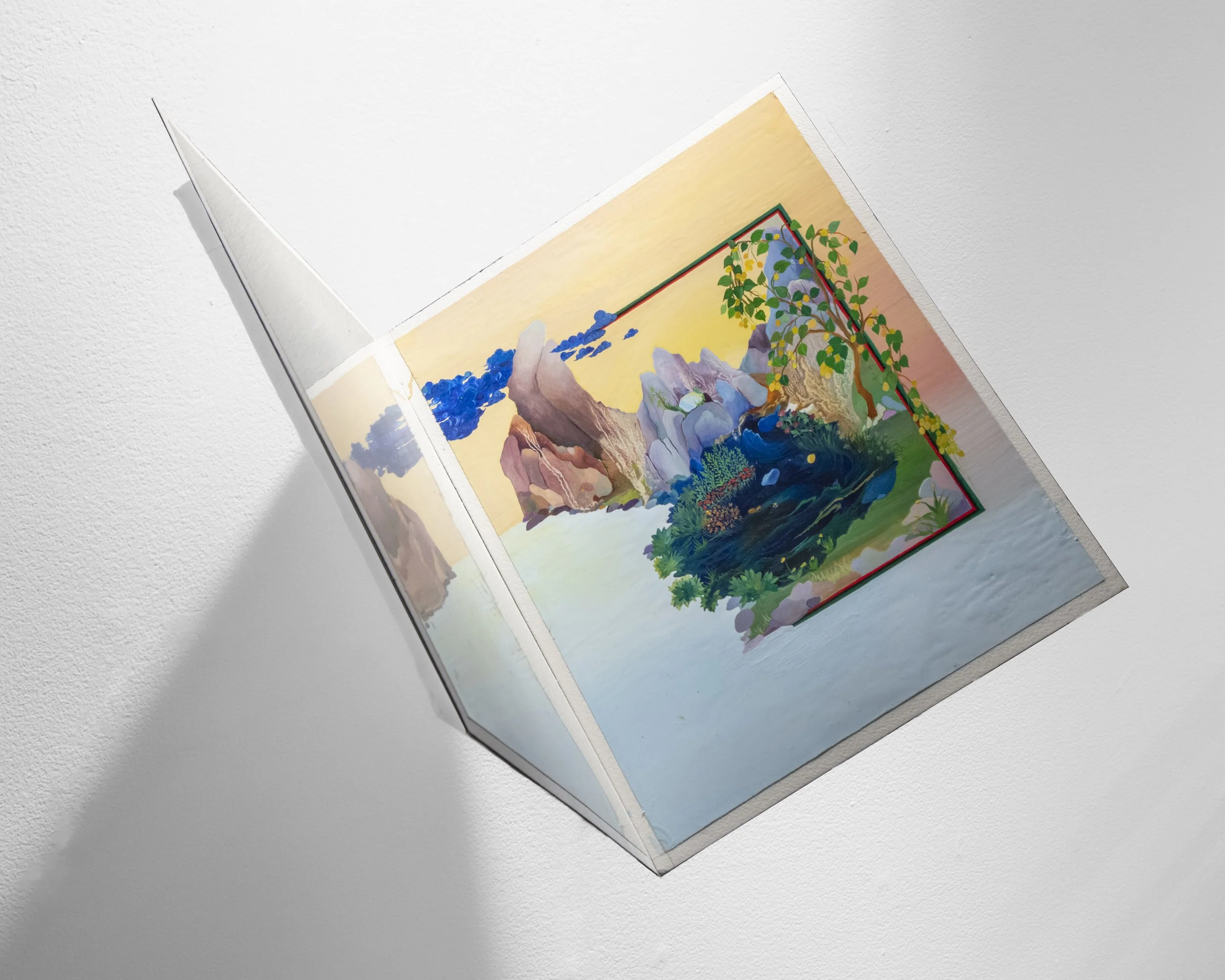
Figure 1: Hafsa Nouman, Reverberation, 2025, oil on paper, 16 × 12 inches (40.64 × 30.48 cm), diptych. Photo: courtesy the artist and Pat Garcia © Hafsa Nouman
Lara Xenia: If you could have a dream exhibition, where would it be?
Hafsa Nouman: Oh, that's a really good question. My dream exhibition is in a circular room with an oculus so light can revolve and oscillate. There would be a total of five rooms; one a square and the four circular, all with dome-like ceilings. I’ve always wanted to go to the Pantheon, especially at night. Imagine being inside it with shifting light, rain, and a full moon. I think that this space reminds me of Phuppo Khaldi’s house in Lahore. She was my mother’s aunt. It was a pre-partition Art Deco house with high ceilings and circular rooms.
LX: That'd be gorgeous. Tell me about Lahore and what drew you to art.
HN: I was born and raised in Lahore, Pakistan. My family migrated from India during the 1947 Partition. Education was always the main priority in my family, and it has defined every generation. Most of my ancestors were scholars and teachers, and migrated from Arabia to Central Asia.
From the ages of six to nine, I lived in Beijing while my father completed his PhD in physics. Those years were formative for me. Amma, my mother, would always point out allegorical tales within the cartoons and movies that my sister and I would watch; we could literally watch anything on TV [laughs].
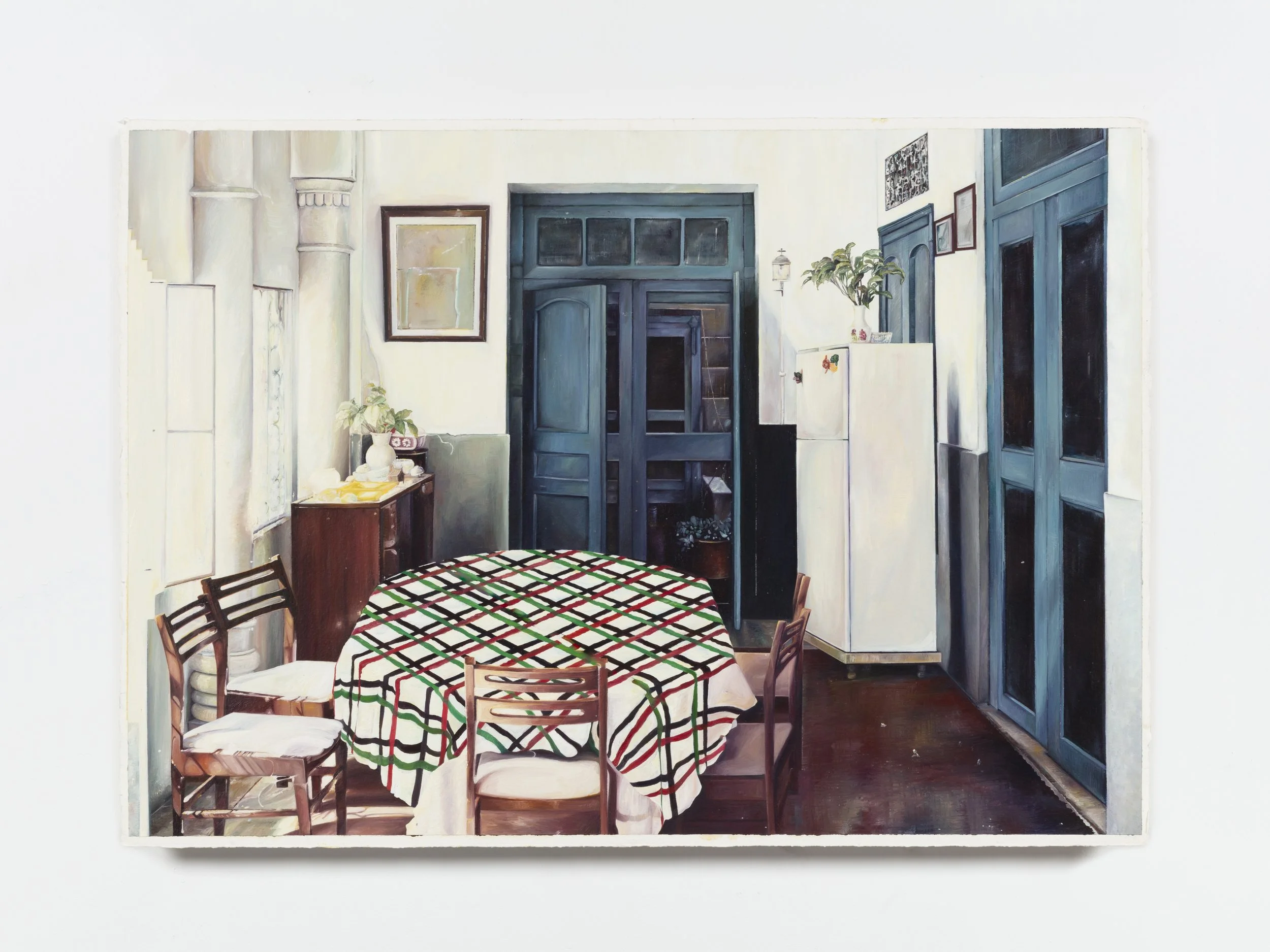
Figure 2.1: Hafsa Nouman, T ehar Jao, 2024, oil on paper on wood panel, 41.5 × 29.5 inches (105.41 × 74.93 cm). Photo: courtesy the artist, Pat Garcia, and Palo Gallery © Hafsa Nouman
When I returned to Pakistan, I became really aware of economic disparities there, especially because I attended a private school on financial aid. My parents and grandparents surrounded me with a lot of love and support and didn’t let me feel self-conscious about it as a child. Initially, my father strongly opposed my desire to become an artist because he insisted that art was an unstable and somewhat malicious profession. At one point, I even considered becoming a diplomat. But ultimately, I applied to Lahore’s prestigious National College of Arts (NCA), which has a 2% acceptance rate and a reputation for shaping prominent artists. My father had his hesitations about me getting in, but I earned a merit scholarship and was first on the admission list [smiles].
My grandmother insisted I attend, and even threatened to stop speaking to my father if he refused to let me [laughs]. She passed away in October of last year. We were really close and she was extremely strong as a force and a visionary. She made me very resilient. Dadi was a brave woman.
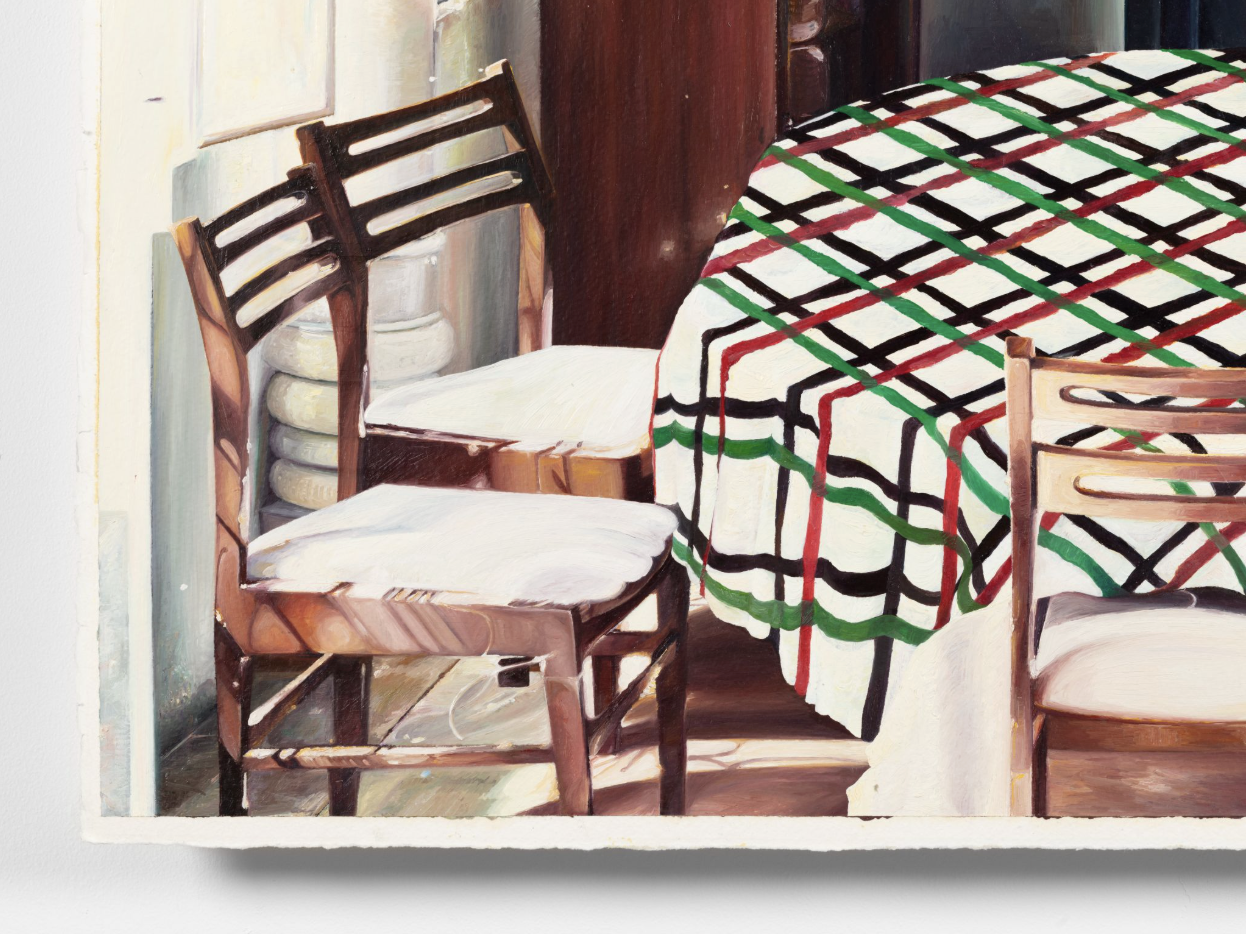
Figure 2.2: Hafsa Nouman, T ehar Jao [detail], 2024, oil on paper on wood panel, 41.5 × 29.5 inches (105.41 × 74.93 cm). Photo: courtesy the artist, Pat Garcia, and Palo Gallery © Hafsa Nouman
LX: She sounds like an incredible life mentor and matriarch. That’s really fascinating that you grew up in Beijing and that you also attended that university. What was it like for you?
HN: I found supportive peers and extraordinary mentors such as Fatima Haider who had studied at SAIC. She saw my practice clearly before I could even articulate it myself. Another key influence was a Yale PhD candidate Maliha Noorani, who introduced me to Modern South Asian, Latin American, and Arab art. And of course, Rabeya Jalil, Saulat Ajmal, and Laila Rahman were major pillars of support. Through Maliha, I came across manifestos by Shakir Hassan Al Said. His radical experiments with language and calligraphy profoundly shaped how I think about art as a space for transcendence. And my school teachers Khushbahkt, Amra Khan and Butool Waheed also helped me learn close looking.
LX: Are you interested in any spiritual doctrines as well? I’m just curious because you mentioned transcendence.
HF: Yes! I think a lot about Sufi ideas because they focus so much on the idea of calming your nafs, your ego, and also phenomena like nature as the ground, and the possibility of transcendence through a single gesture. I come from a Sufi household that’s not overtly very religious, but those ideas have still shaped me. I wanted to create a surface where the past, present, and future collapse. During my third year of undergrad during COVID, I was reading a lot about archaeology, and I thought, “What if I treat my surface as an archaeological site?” Around then, my grandmother on my mom’s side passed away, and it was my first real experience with loss. We called her Bibi.
I wanted to create a surface where the past, present, and future collapse.
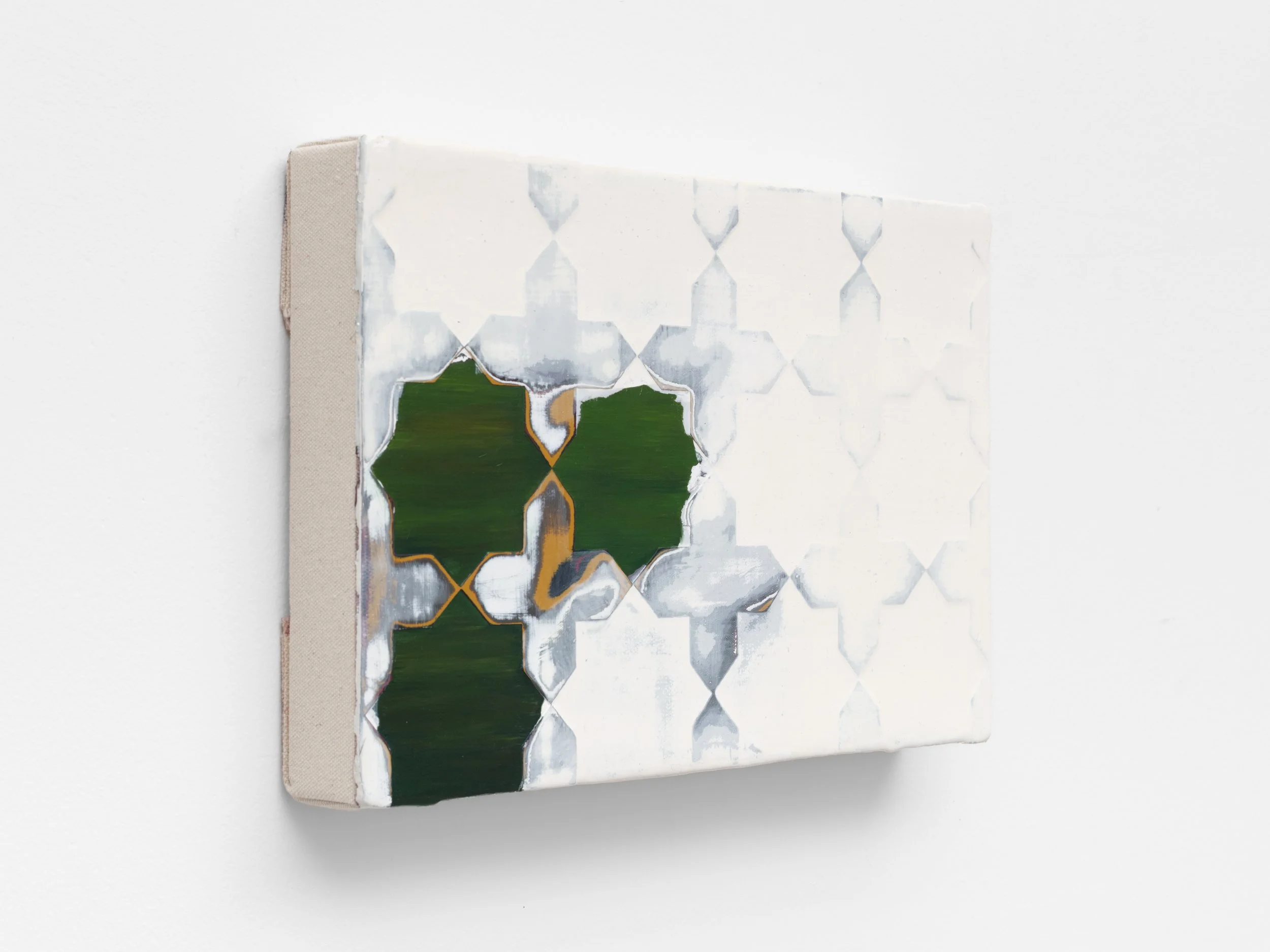
Figure 3: Hafsa Nouman, Jaali (ii), 2026, acrylic on oil on canvas, 12 × 8 inches (30.48 × 20.32 cm). Photo: courtesy the artist, Pat Garcia, and Palo Gallery © Hafsa Nouman
LX: I love that Sufi concept, and I’m also sorry about your maternal grandmother. That must’ve been especially hard during COVID.
HN: Thank you. It was really hard. That loss in a lot of ways coincided with and paralleled what was going on in Lahore. Lots of old neighborhoods got demolished for “development.” The International Monetary Fund often pushes for infrastructural development projects at the expense of vulnerable communities and ecosystems. An entire ecosystem was disrupted overnight, and people were left displaced and unable to afford housing.
I was watching this all unfold right in front of my eyes. I remember feeling really restless, and willed myself to grow up quickly to have more agency. Even our own neighborhood suffered from water shortages and drainage issues, so we had to leave. That’s when I started thinking a lot about houses, walls, and the idea of not belonging. My grandmother’s house really embodied that for me. She spoke Farsi and her family was from Afghanistan. As a fun fact, she was a distant relative of the family of Ahmed Shah Durrani, the guy who stole the Peacock Throne from India!
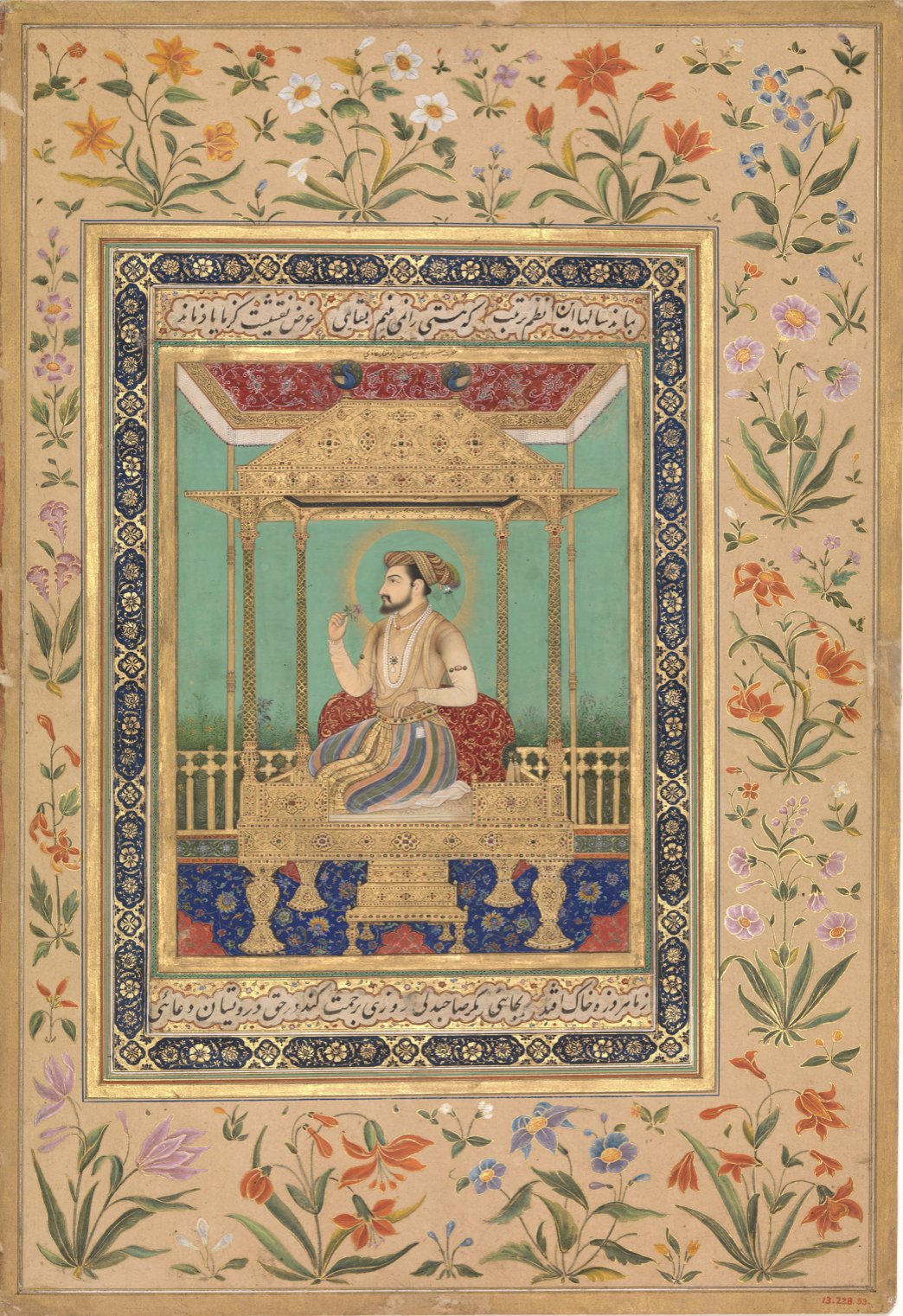
Figure 4: Portrait of Shah Jahan on the Peacock Throne, attributed to India, 19th century, ink, opaque watercolor, and gold on paper, 14.65 × 10 × 6.49 × 5 inches (37.2 × 25.4 × 16.5 × 12.7 cm). Metropolitan Museum of Art, New York, New York. Gift of Alexander Smith Cochran, 1913 (13.228.53). Photo: courtesy Metropolitan Museum of Art
“What if I treat my surface as an archaeological site?”
LX: No way, not Shah Jahan’s Peacock Throne! But that must’ve been really jarring. I’m sorry you witnessed that firsthand and had to relocate. Is this your grandma's house? [gestures to artwork]
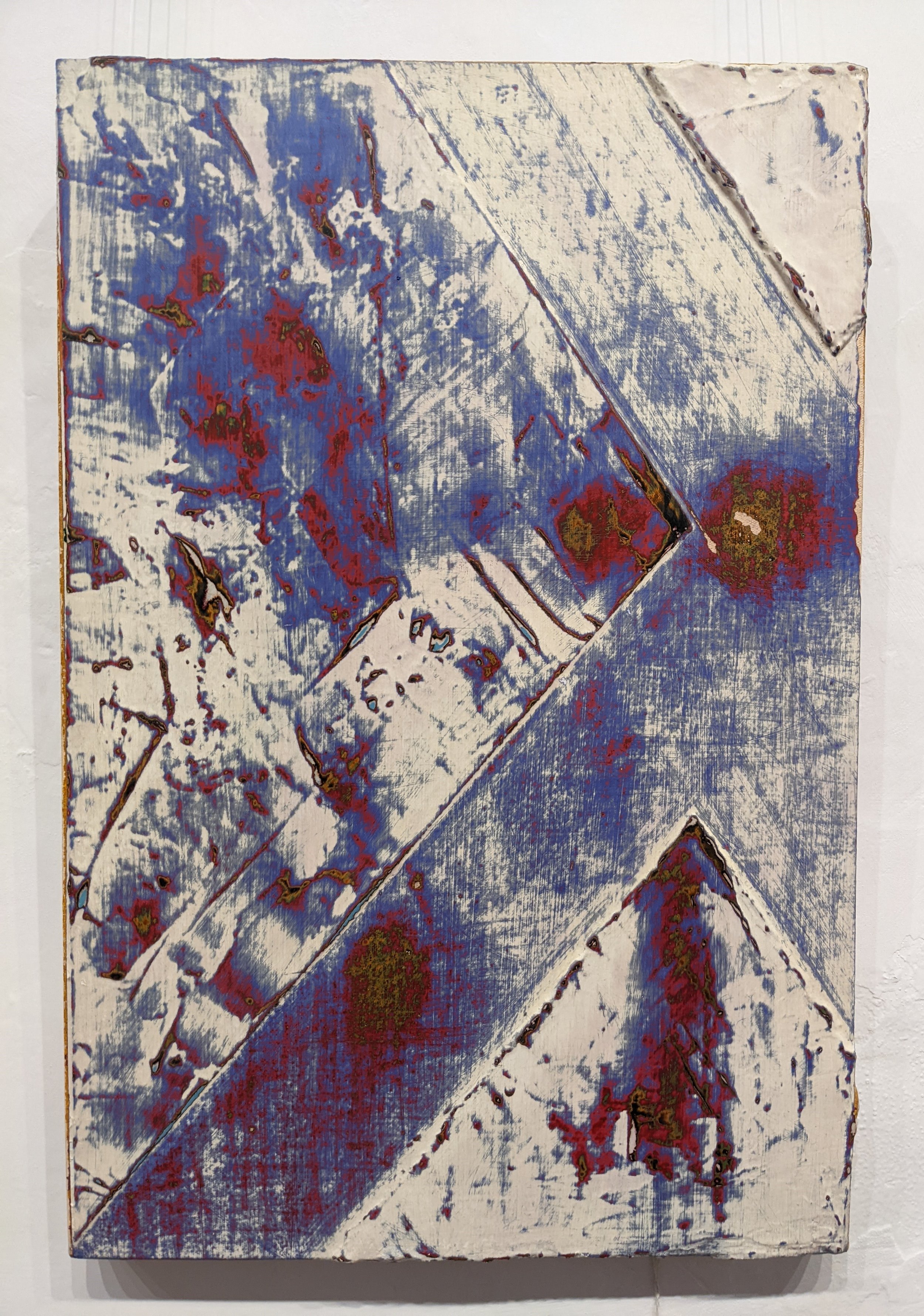
Figure 5: Hafsa Nouman, Gas nahi arahi (Is there no gas coming [in the house]), acrylic on canvas, 18 × 12 inches (45.72 × 30.48 cm), 2021. Photo: courtesy the artist © Hafsa Nouman
HN: Yes, I made this in my third year of university when I moved to a new house. [Pointing to artwork] I was interested in Minimalism in relation to my work, and was, and still am, cautious about using that term myself. At the same time, it felt like an honor for my professors to acknowledge the concern as being inflected with that. It made me feel like I was onto something. After that, I started making more of these sanded walls. [Points to another painting] This is another painting of mine. It’s the sehan (terrace) of the house I grew up in.
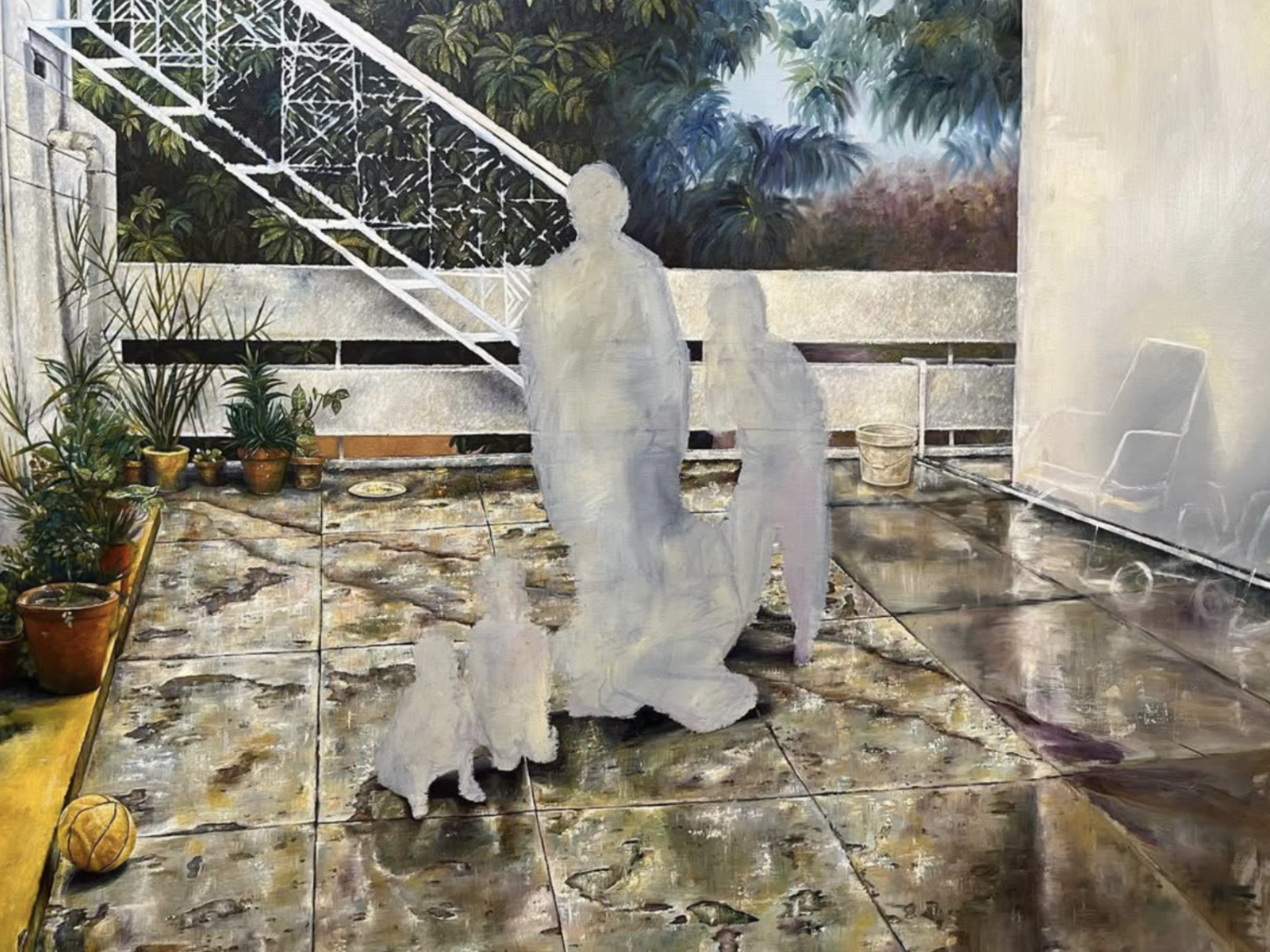
Figure 6: Hafsa Nouman, Barsat air aam, oil on canvas, 2021, 48 × 36 inches (121.92 × 91.44 cm). Photo: courtesy the artist © Hafsa Nouman
LX: Oh, wow. I like the erasure of the figures and your choice of furniture here. Who are these figures and what’s the overarching concept behind this work?
HN: One of them is my Amma. The others are my sisters, two of them are my younger cousins, and then one of them is myself. It was a monsoon day in August, and we were eating mangoes in the rain. I didn’t want the focus to be on the figures because we all have memories like this growing up. Those spaces no longer exist due to rapid urbanization, and every family has a similar story to us. I wanted the viewer to insert their own figures into a day like this. I am just painting the ground for your own figures to exist on.
LX: I love how you included a fleeting deflated basketball in the backyard. That conjures a lot of memories for me.
I wanted the viewer to insert their own figures into a day like this.
HN: Yes, and it was deflated by being in a puddle of rain, and the color almost captures that feeling. Rain is translucent and feels like it is washing everything away. This painting was a turning point for me. I was painting so much, and there comes a point when you are so in sync, and nothing gets lost in translation between the tip of your paintbrush and your eye. It was such a moment when I painted this. It was just coming out. I was painting in a trance-like state in a small corner of my bedroom that I shared with my sisters. I wasn’t even sure what some of the colors were! I thought the shadow was blue, but in the morning, when I took it into the sunlight, I realized I had used purple, and it made complete sense [laughs].
LX: That’s beautiful and those serendipitous choices make for the best outcomes sometimes. I also love this one. What compelled you to include a sliver of carpet-like or iron patterns in your canvases? How does this fit within your larger practice?
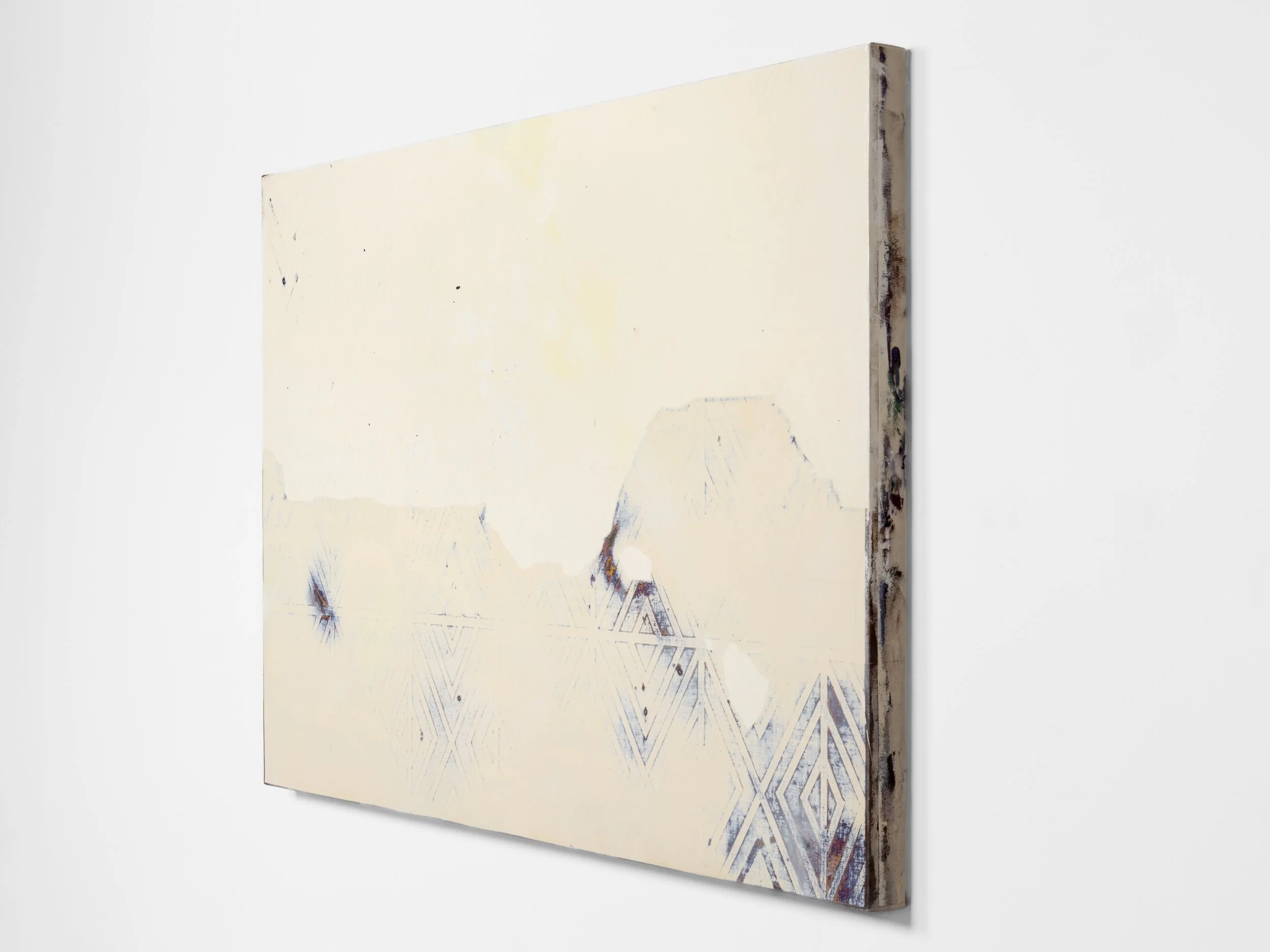
Figure 7.1: Hafsa Nouman, Diwar No. 15 (Dadi), 2026, acrylic and oil on canvas, 76 × 51.13 inches (193 × 130 cm). Photo: courtesy the artist, Pat Garcia, and Palo Gallery © Hafsa Nouman
HN: A lot of viewers are perplexed by the sharp contrast in my practice because I make very representational paintings and simultaneously make these as “abstracted” counterparts [laughs]. I was thinking about all of these things while I was making the house paintings. They’re all derived from wrought iron patterns and wall textures found in domestic spaces, and it became integral to my practice.
LX: Is this imprinted?
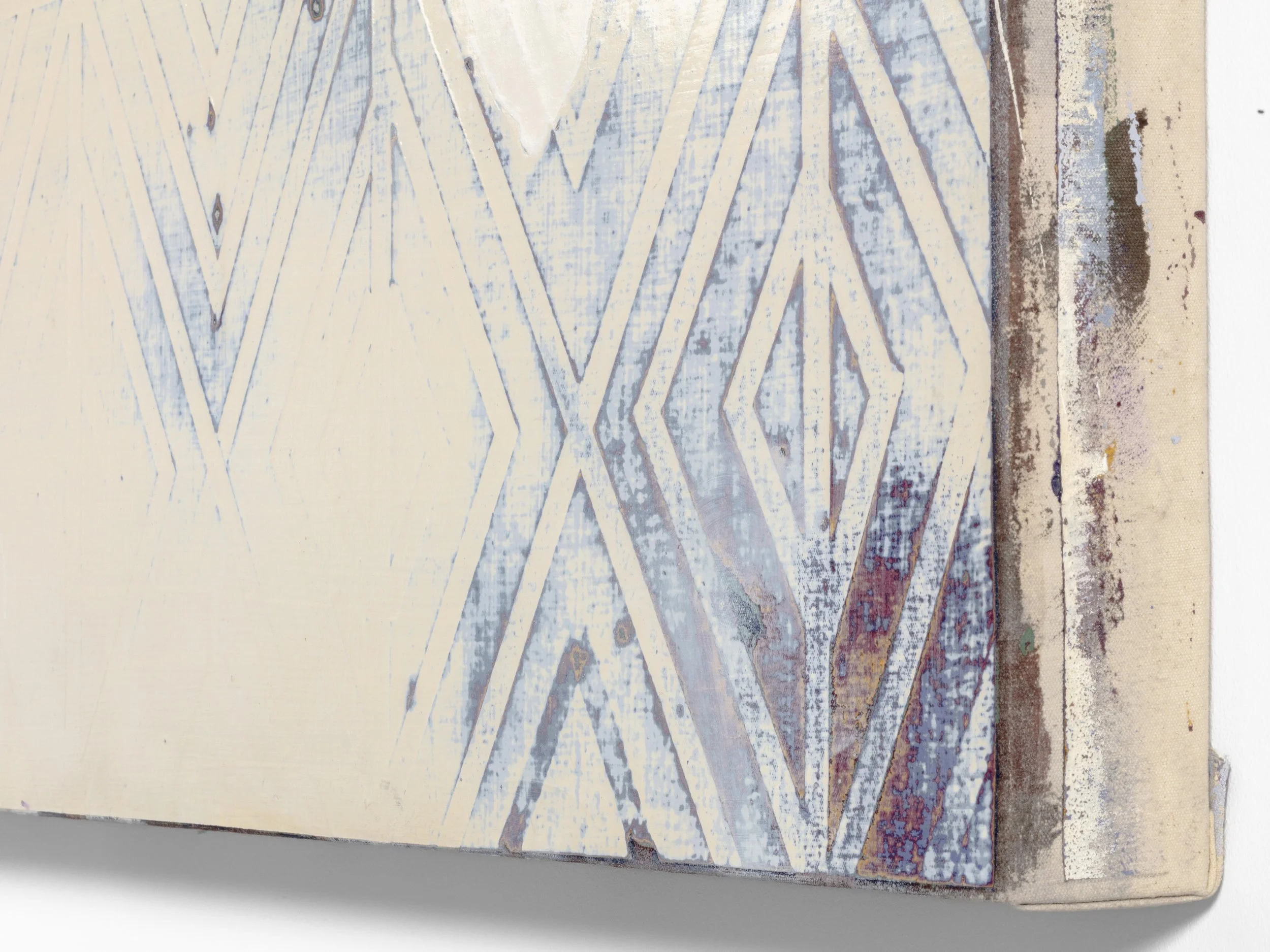
Figure 7.2: Hafsa Nouman, Diwar No. 15 (Dadi) [detail], 2026, acrylic and oil on canvas, 76 × 51.13 inches (193 × 130 cm). Photo: courtesy the artist, Pat Garcia, and Palo Gallery © Hafsa Nouman
HN: I would first make the wrought iron pattern and remove it, giving myself an emboss. Then I layered the surface and built up the canvas until the white emboss was buried under many layers of paint.
LX: It very much speaks to your point of losing an element of your home while retaining a part of it and keeping it within the wall. What is the courtyard’s relationship to the mangoes?
HN: Whenever it rained, we would go to the terrace or the courtyard. There was a mango tree, and growing up, we used to say it “rained mangoes” at my grandparents’ house because they would fall everywhere…on our heads, on the floor…it would leave permanent mango stains on the walls and floors. I was thinking about that memory and how it still comes back when I see certain textures on modern walls. That’s when “geometrical abstraction” entered my work.
LX: That’s so funny that the mangoes are what sparked your “geometrical abstraction.” It reminds me, culturally, of when we eat anaar. I forgot how to say it in English right now.
HN: I love anaar. Yeah, like pomegranates! I've made so many works about anaar as well, by the way.
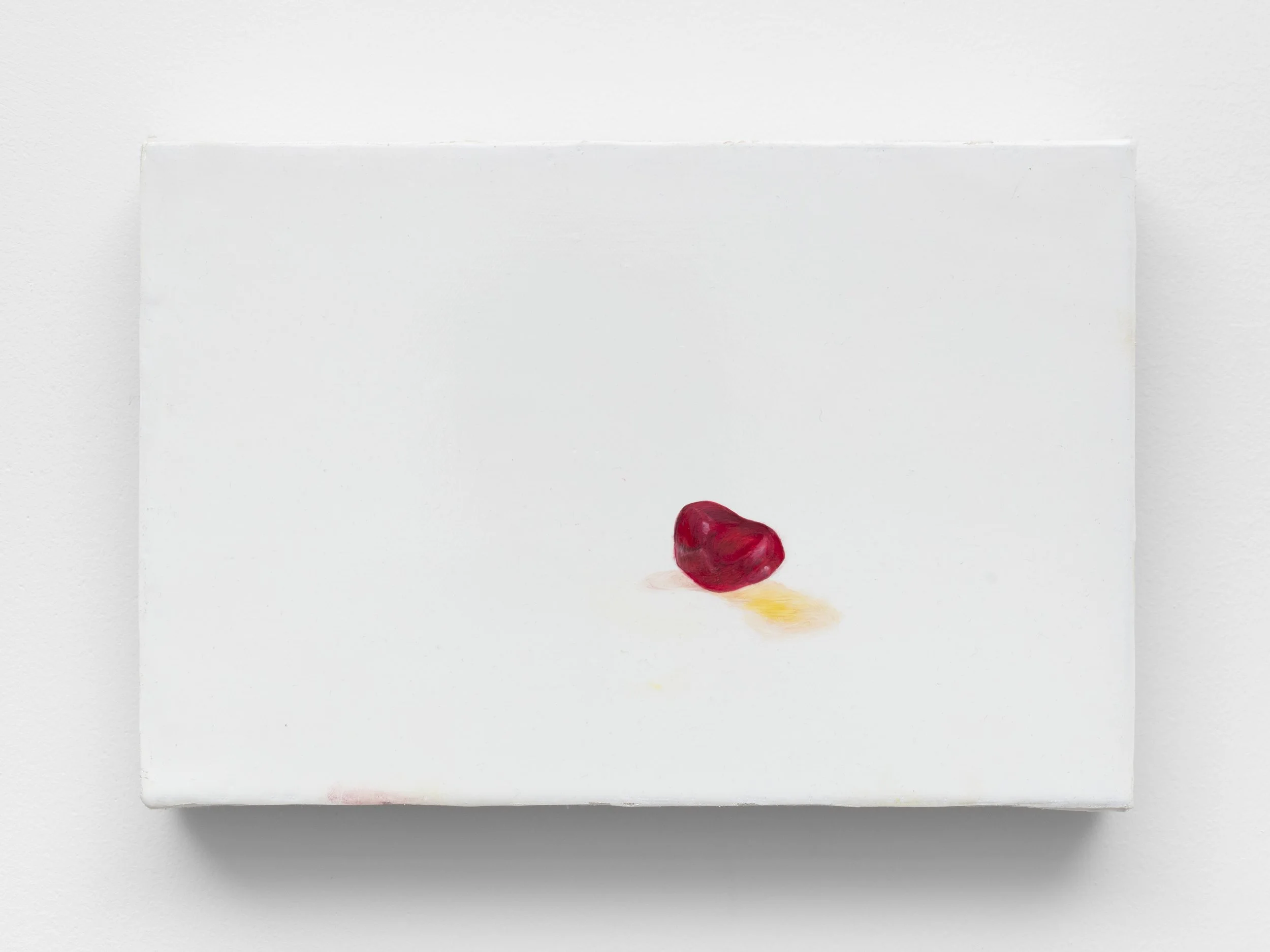
Figure 8: Hafsa Nouman, Breaks Open; Janat ka dana, 2026, oil on canvas, 12 × 8 inches (30.48 × 20.32 cm). Photo: courtesy the artist, Pat Garcia, and Palo Gallery © Hafsa Nouman
LX: I grew up doing that too, like taking an anaar, pressing it, and eating it directly. I understand what you mean about sitting outside…it’s a special moment to eat with your family like that.
HN: Exactly. Even now, I take the anaar, open it, and start eating it like this [gesturing to taking a bite]. I’ve also tried putting it in the fridge, then under hot water and tapping it. It just comes out. If you put it in the fridge, cut it, and then put it in warm water, it expands, and you just tap it with a spoon.
For my undergraduate thesis, I was inspired by eating mangoes and decided to make pieces of walls with paint coming off.
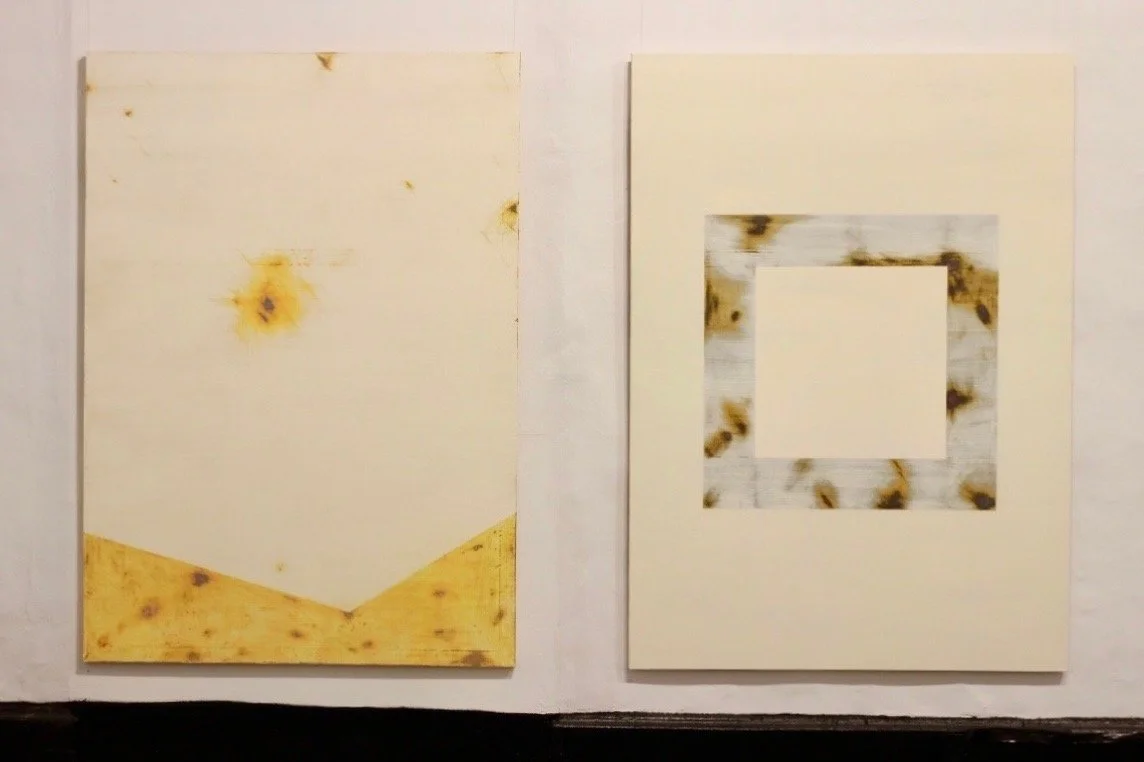
Figure 9.1: Hafsa Nouman, Raining Mangos at Bibi’s, 2022, 84 × 60 inches (213.36 × 152.4 cm), acrylic on canvas. Photo: courtesy the artist © Hafsa Nouman
This one was from my final review, where I defended and talked about my work. It was incredible; everyone said they didn’t have the language to discuss my work, which was exciting. They told me I would add something to art history, and that made me really happy. I want my work to be integrated into a form of postcolonial art, as a different take on Minimalism, as Minimalism is Western-centric in its coined meaning, and I want my work to disrupt that. I don’t even want to categorize it that way; it has its own place, and I just need to build the language around it, which will take time.
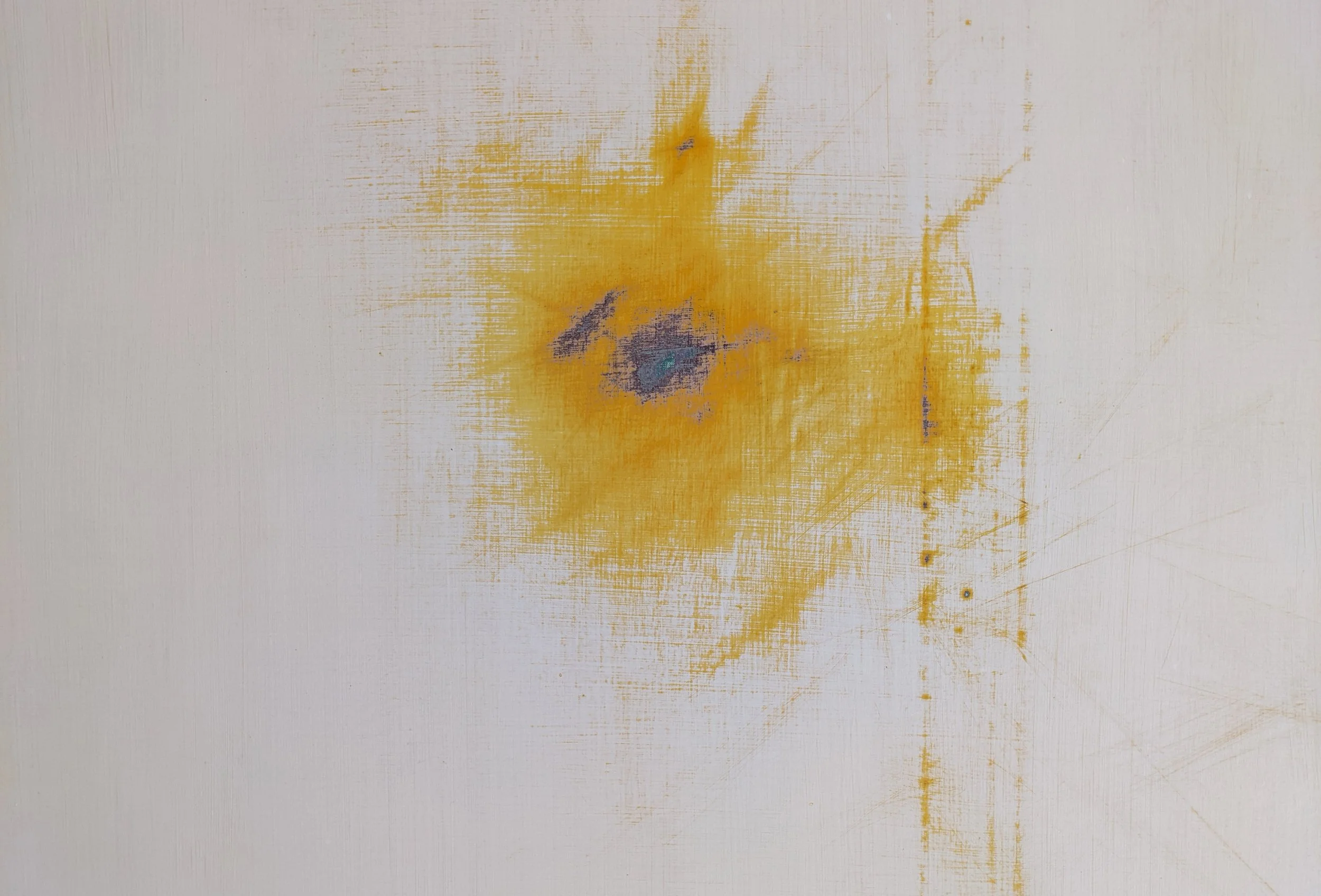
Figure 9.2: Hafsa Nouman, Raining Mangos at Bibi’s [detail], 2022, 84 × 60 inches (213.36 × 152.4 cm), acrylic on canvas. Photo: courtesy the artist © Hafsa Nouman
LX: I get that you didn’t want to label it. What’re your takes on the philosophies of representation and abstraction?
I want my work to be integrated into a form of postcolonial art, as a different take on Minimalism.
HN: It’s always been a vested interest of mine. That came from miniature paintings, and always thinking about the viewpoints you’re looking at and what the work is trying to convey. It’s not about a moral concept, but about the subliminal meaning and the hidden aspects that are trying to be uncovered. The thingness of the object, pointing inwards and pointing outwards at the same time.
Even back then, I was more interested in how thinking in abstraction can result in a work that looks representational. When you touch something, it is an embodied experience, but you cannot see the point of contact. You rely on the sensation, and when you depict that sensation, it becomes an abstraction.
LX: That’s wonderful. You have an entire series of white walls with the embossed elements. Why did you choose to mount them in corners like icons or grids?
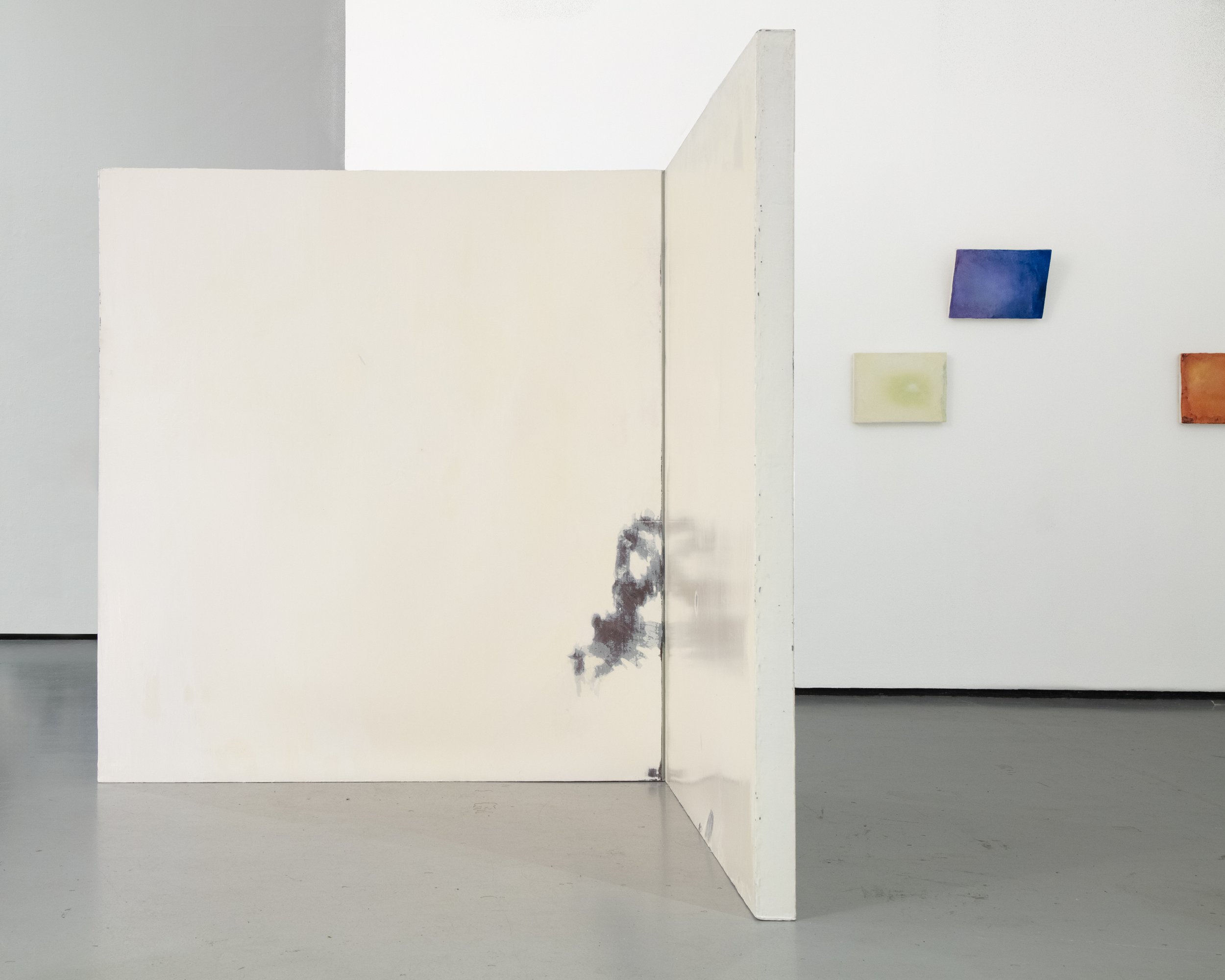
Figure 10.1: Hafsa Nouman, Ode to the Present [detail], 2025, oil and acrylic on canvas, 78 × 72 inches (198.12 × 182.88 cm), accordion diptych. Photo: courtesy the artist and Pat Garcia © Hafsa Nouman
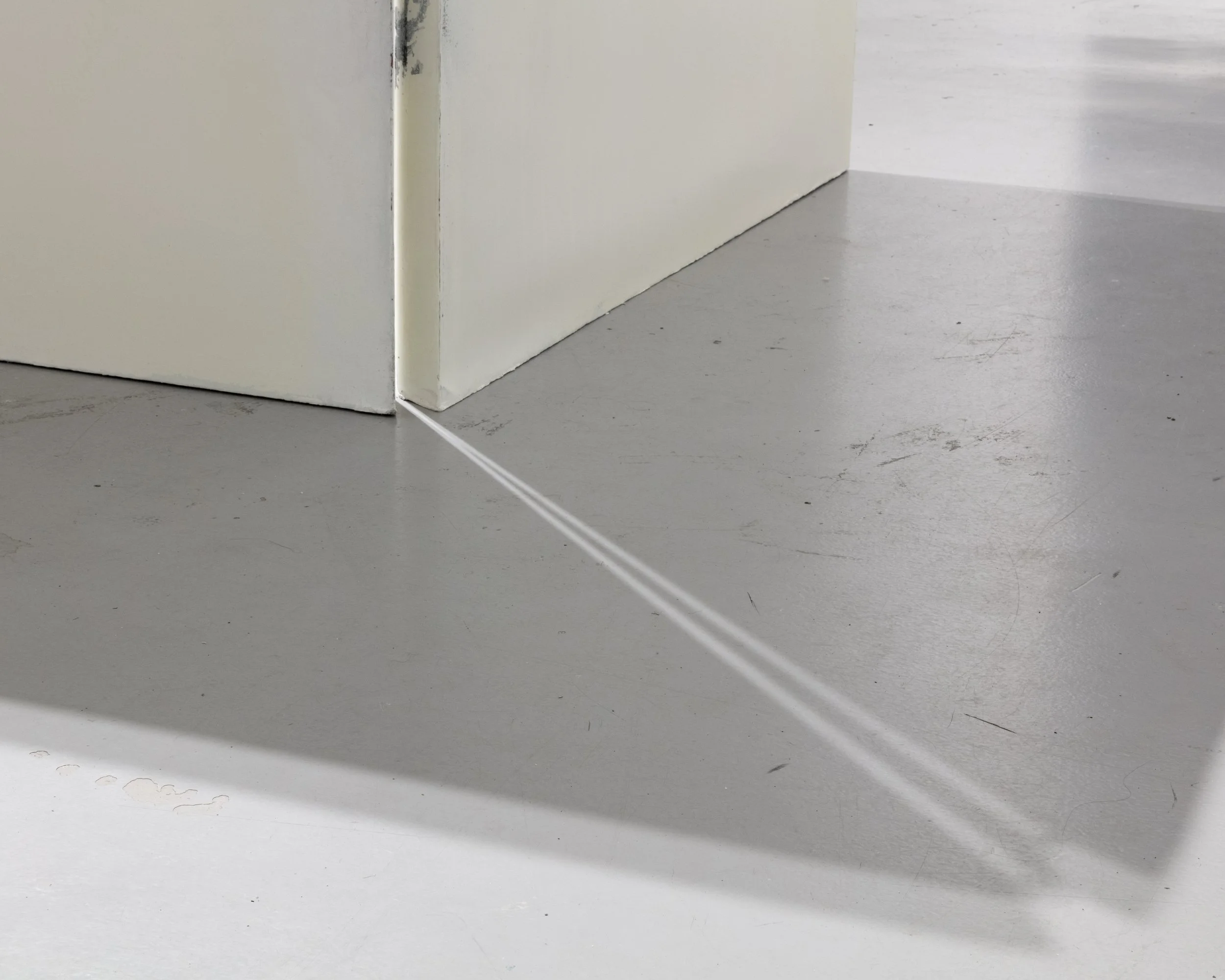
Figure 10.2: Hafsa Nouman, Ode to the Present [detail], 2025, oil and acrylic on canvas, 78 × 72 inches (198.12 × 182.88 cm), accordion diptych. Photo: courtesy the artist and Pat Garcia © Hafsa Nouman
You rely on the sensation, and when you depict that sensation, it becomes an abstraction.
HN: I think for me, the corner was important. No shape exists without a corner except the circle. Any square, cuboid, or other shape has corners, and every urban space has corners, whether 2D or 3D. The corner is the contact between two opposing points, like your fingers touching. You cannot see the point of contact when you depict a corner. You perceive the shape and the mold of it.
LX: Fascinating. Your corresponding thesis works are really spectacular.
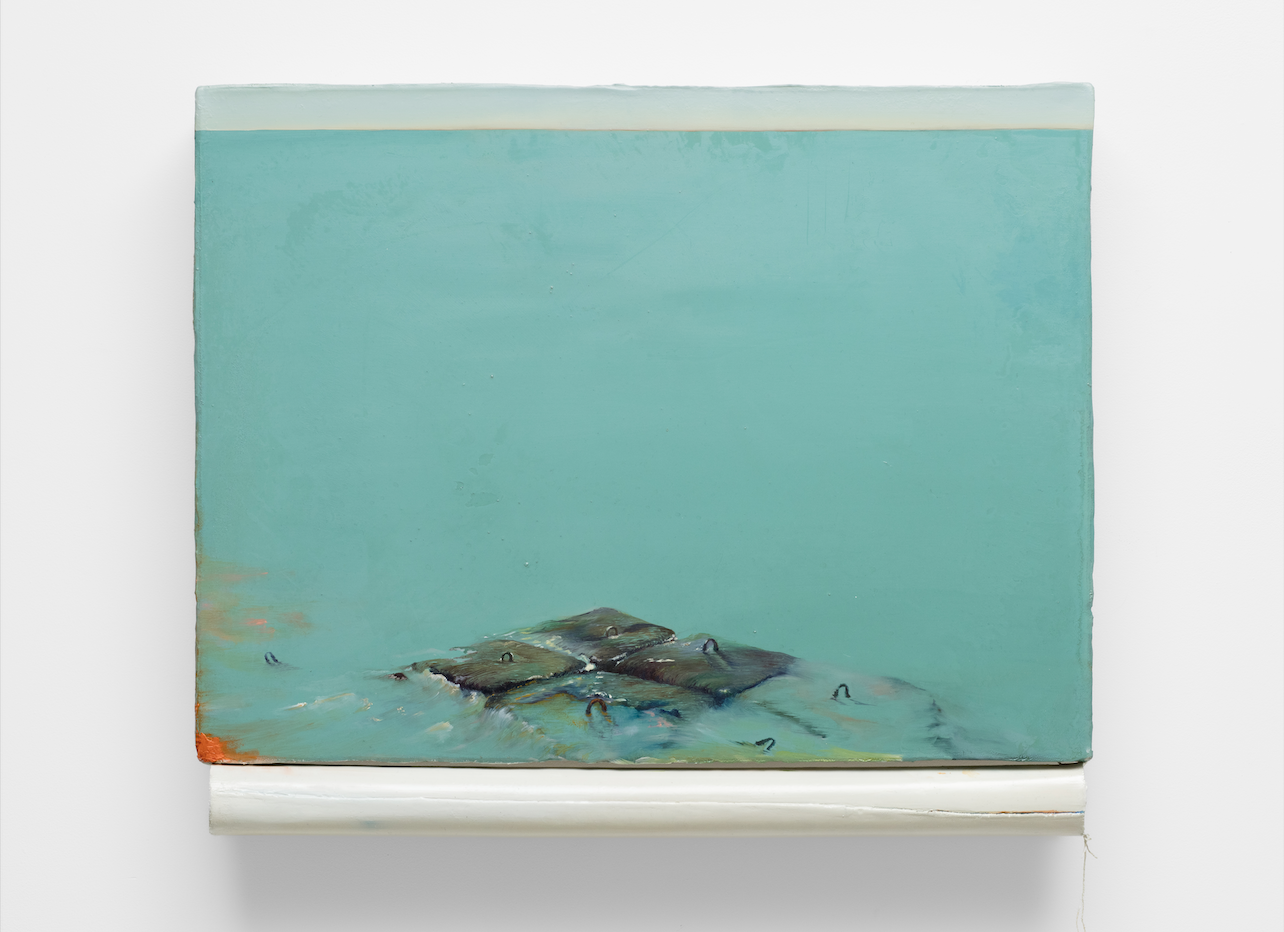
Figure 11: Hafsa Nouman, The Hidden Painting - the Shores of Alexandria, 2026, oil on canvas and oil on wood panel, 24 × 18 inches (60.96 × 45.72 cm). Photo: courtesy the artist, Pat Garcia, and Palo Gallery
HN: Thank you. Last summer, I got a travel grant to go to Cairo and Alexandria in Egypt. It helped me think a lot about the meaning and significance of the horizon line. I was navigating how to understand the reception of the work. I was disappointed by the neoliberal reception of my practice, as I felt the emphasis on my identity distracted from the practice itself. I had a studio session with a well-known artist who asked about my experience of living in Pakistan and whether it was oppressive. That was the first time I had to contend so explicitly, in my studio, with an audience that asked me disheartening and ignorant questions. That and a few other incidents made me choose to create reflective wall paintings, where the viewer has to contend with their reflection and identity.
If the viewer acts as the reflected figure in the painting, then it is about one encountering oneself in the present. So the “blank,” “white” surfaces become a charged voids.
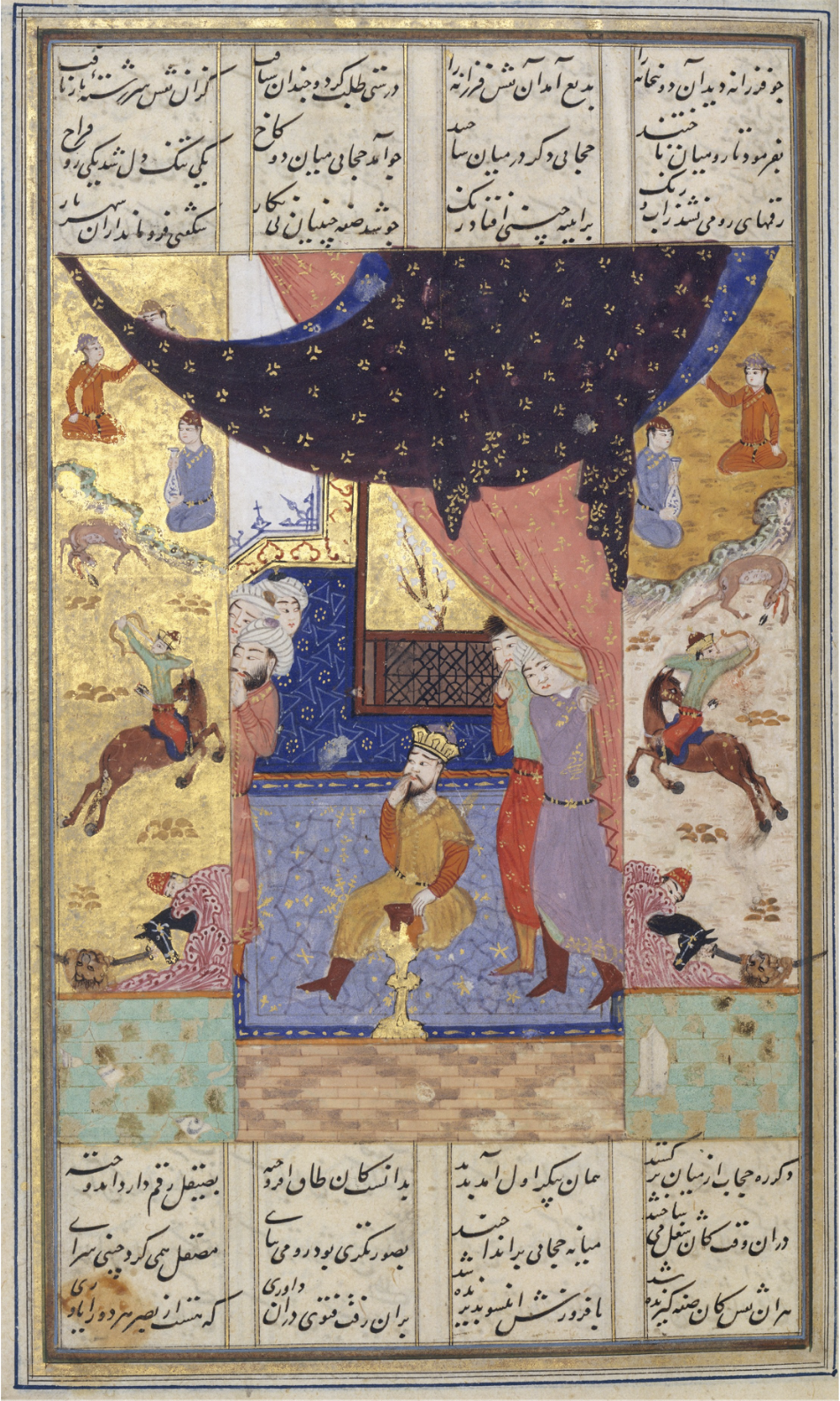
Figure 12: The Byzantine and Chinese painters vie in a trial of skill, fol. 322a, from the Khamsa (Quintet) of Nizami of Ganja, 853 AH/1449–1450 CE, attributed to Shiraz, Iran, ink, paper, and leather, 10.25 × 6.69 × 1.75 inches (26 × 17 × 4.5 cm). Metropolitan Museum of Art, New York, New York. Gift of Alexander Smith Cochran, 1913 (13.229.3). Photo: courtesy Metropolitan Museum of Art
Prior to visiting Egypt, I had seen a beautiful Persian miniature painting that changed my practice. It depicted Alexander the Great going to China and holding an art competition between a Greek and a Chinese painter. The Greek painter made the most realistic painting anyone had ever seen, whereas the Chinese painter polished the surface of the wall until it became reflective. So, the painting made by the Greek artist was reflected in the polished surface of the Chinese artist. That is representation, and in this case, it is not about fidelity to a real image but about the “real,” which is always in transience. A figure is always in transition and never inert.
LX: Interesting! Tell me about this apricot series.
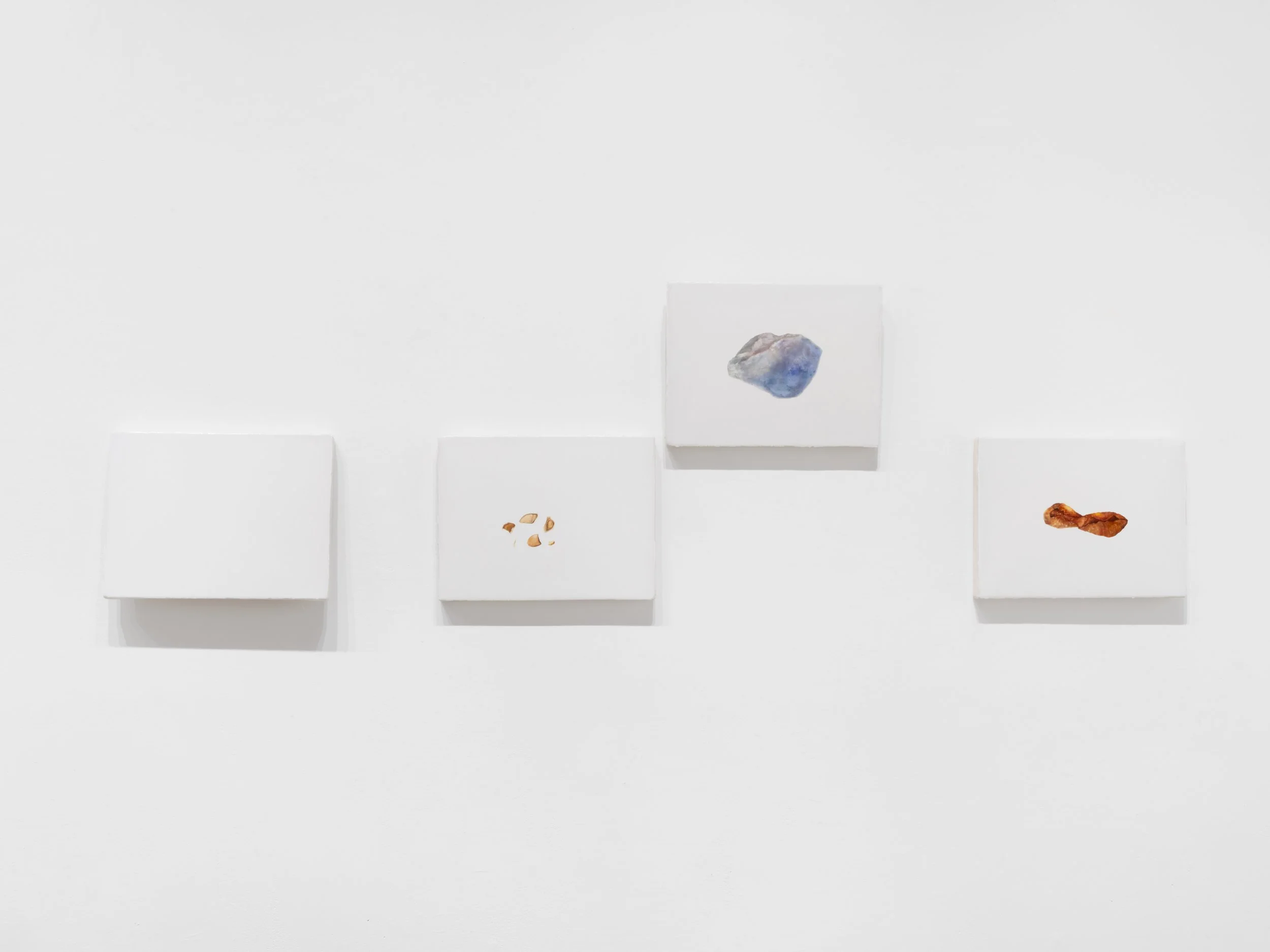
Figure 13.1: Hafsa Nouman, Installation view of What is the Desired Fruit?, 2024, oil on canvas, 16 × 12 inches (40.64 × 30.48 cm), polyptych. Photo: courtesy the artist and Sydney Mieko King © Hafsa Nouman
I realized I needed a surface that projects the present rather than painting it.
That manuscript solidified the idea to me that I should experiment with making reflective paintings. One of my early works was inspired by an apricot tree. I saw compositions of a stone, a dried apricot, and the crushed seed. The desired fruit was the almond inside the apricot seed, not the apricot itself. For me, that represented life. That painting was about colonial desire, but also about stages of love, like the body, flesh, and effort needed to reach the pulse of the fruit. There are four elements to the painting: the dried apricot, a stone, the crushed seed, and the almond represented by the charged void, as Rachelle Dang, my professor at Yale, used to describe it.
[Points to canvas] This is a dried apricot. This one is the stone. It is blue and luminescent. Then there is a blank surface, which is the beginning of the work [points to What is the Desired Fruit (blank canvas)] because the beginning comes from emptiness. Emptiness is also death, but it's also the beginning of life. Like the Big Bang!
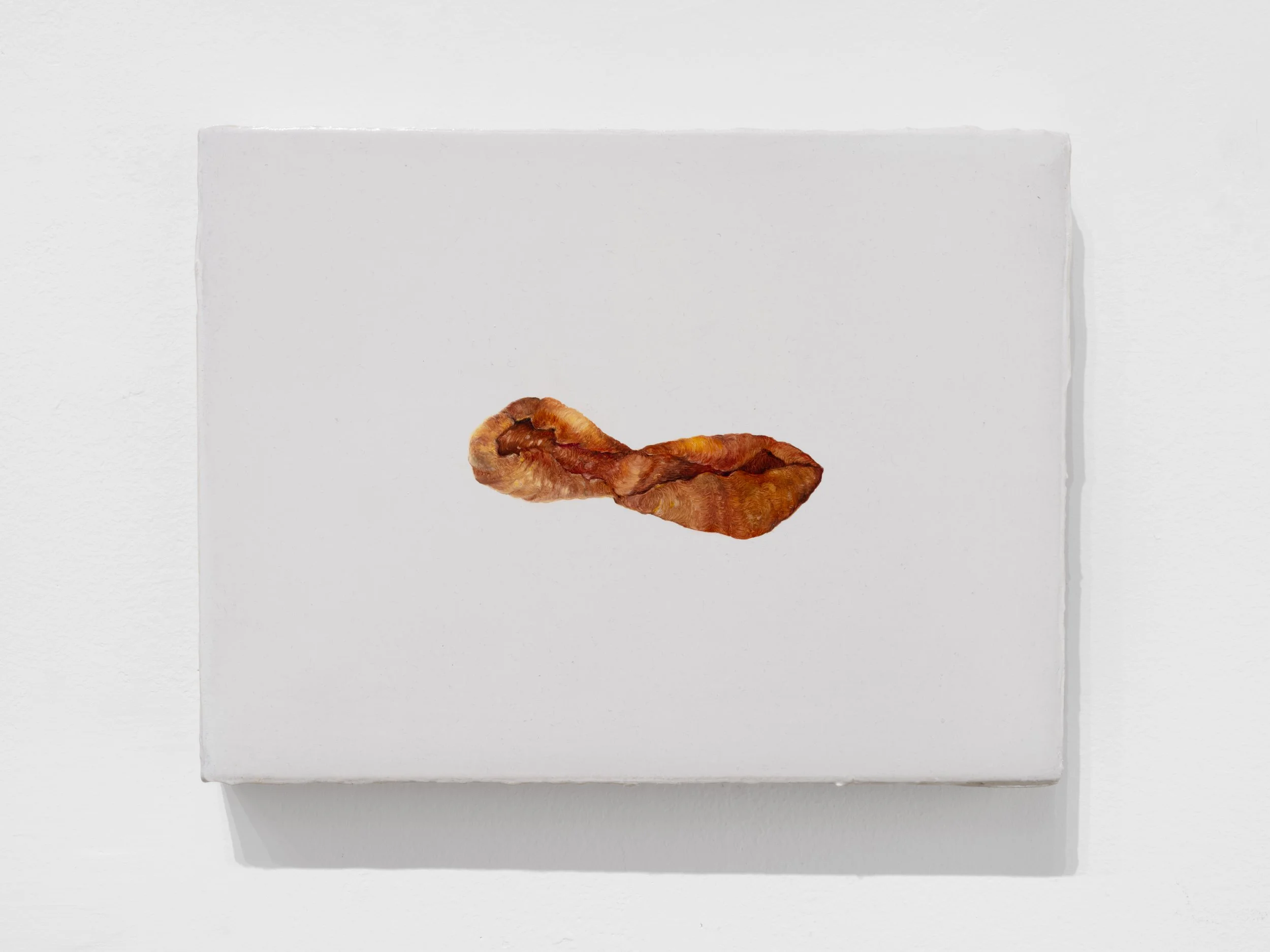
Figure 13.2: Hafsa Nouman, What is the Desired Fruit? [detail], 2024, oil on canvas, 16 × 12 inches (40.64 × 30.48 cm), polyptych. Photo: courtesy the artist and Sydney Mieko King © Hafsa Nouman
LX: I love that. I was curious about the orientation of your pieces in the room, and I find it interesting that you use mirrors. In Persian culture, mirrors are often associated with self-reflection and often appear in religious contexts, sacred spaces, or even at weddings. I don’t know if Pakistani culture has a similar tradition, but I’d love to hear more.
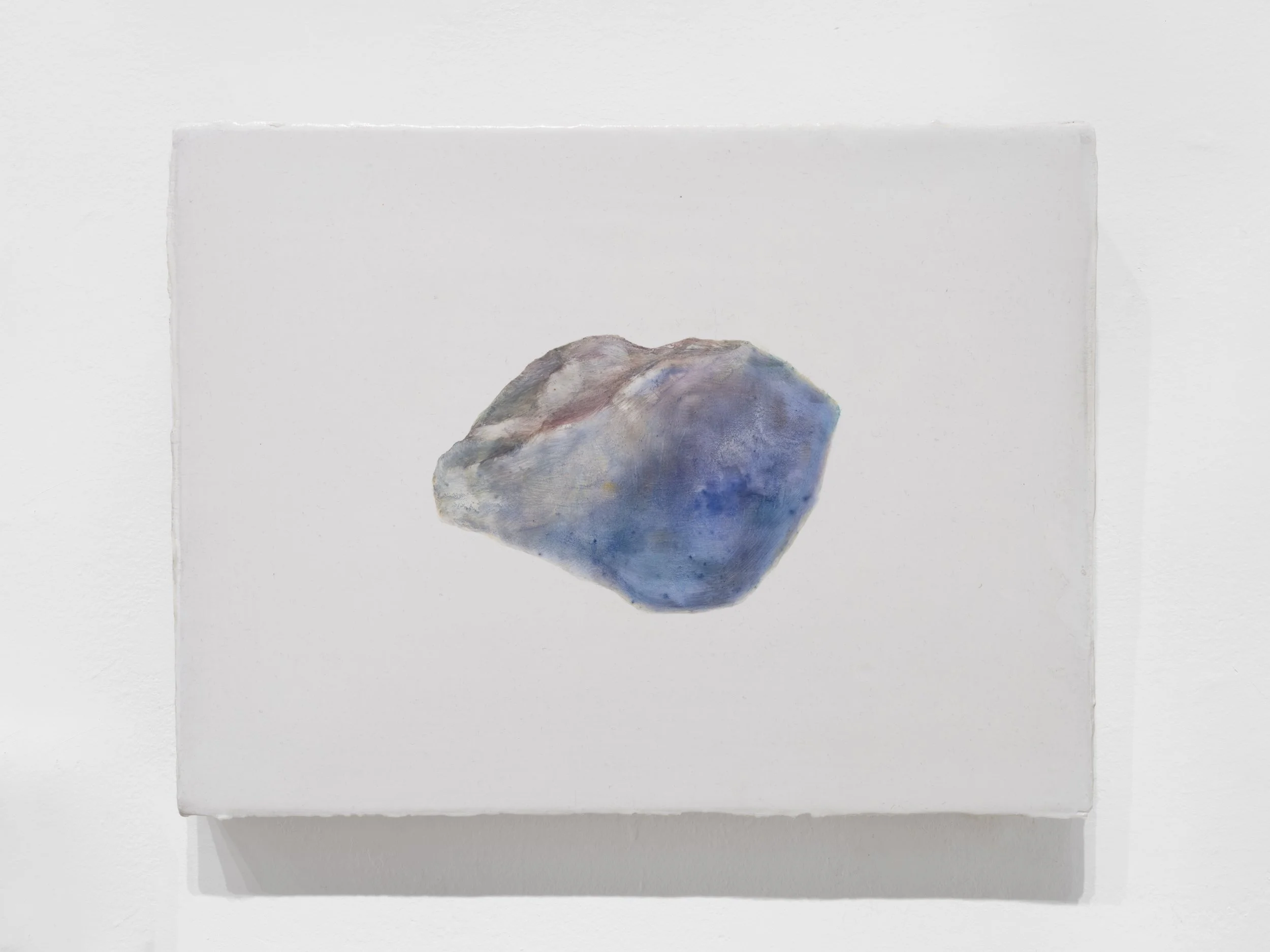
Figure 13.3: Hafsa Nouman, What is the Desired Fruit? [detail], 2024, oil on canvas, 16 × 12 (40.64 × 30.48 cm), polyptych. Photo: courtesy the artist and Sydney Mieko King © Hafsa Nouman
HN: We use mirrors in wedding ceremonies too! I think it is more about the interiority of the experience of looking. An object that points outwards and inwards at the same time. The idea of mirrors is about ego or vanity, but also about self-reflection and introspection.
LX: Definitely. Are the oranges and other elements influenced by apricots?
HN: It is how light touches the surface of the apricot. I was trying to capture that moment when the light touched the surface. These are dried ones. So they are like sweet and sour at the same time, you know, but chewy.
LX: Did you inspect them, then paint them, or were you striving to just capturing their essence?
HN: For this one, I had dried apricots from the Pakistani store. I placed them in front of the canvas and observed the light and their translucency.
LX: I can see it now. Can you take me through your thesis?
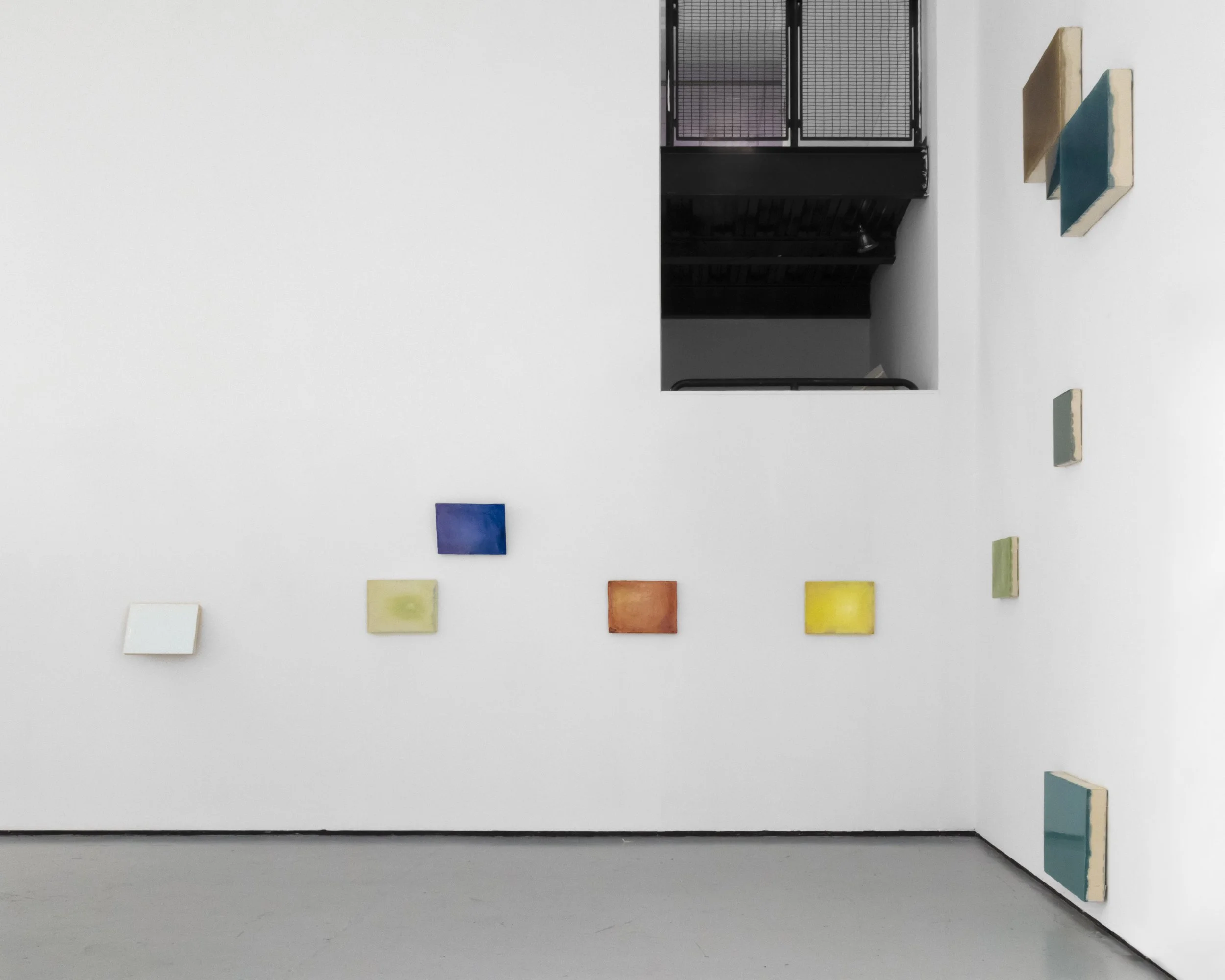
Figure 14.1: Installation view of Hafsa Nouman’s thesis exhibition, Yale University, New Haven, Connecticut, 2025. Photo: courtesy the artist and Pat Garcia © Hafsa Nouman
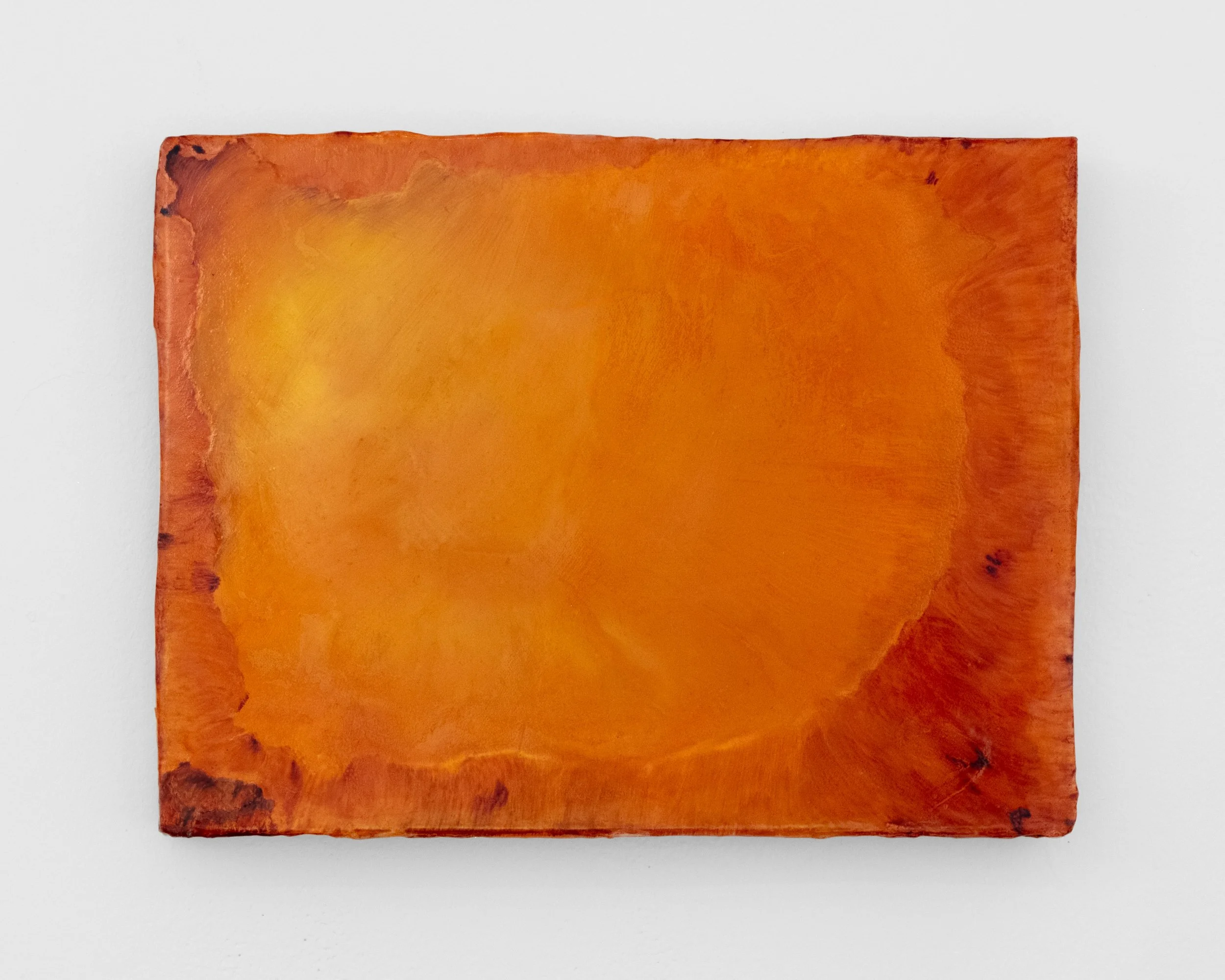
Figure 14.2: Hafsa Nouman, Desire for Resonance - the dried Apricot (3), 2025, oil on canvas, 16 × 12 inches (40.64 × 30.48 cm). Photo: courtesy the artist and Sydney Mieko King © Hafsa Nouman
HN: My point of departure for the thesis series was when I went to the Kalash Valley in the Hindu Kush mountains, near Chitral. It’s basically northwest of Pakistan and it’s a very beautiful space because this whole composition starts from the meeting of two rivers. One river is made by glacial water, and the other is made by a hot water spring. They both converge and create a different color, which eventually forms a larger body of water that becomes the sea. Between the river and the sea, there is a landscape of apricots, fruits, and leaves, which I wanted to capture.
LX: That is so cool that you distilled it down to this. What inspired your choice of hues?
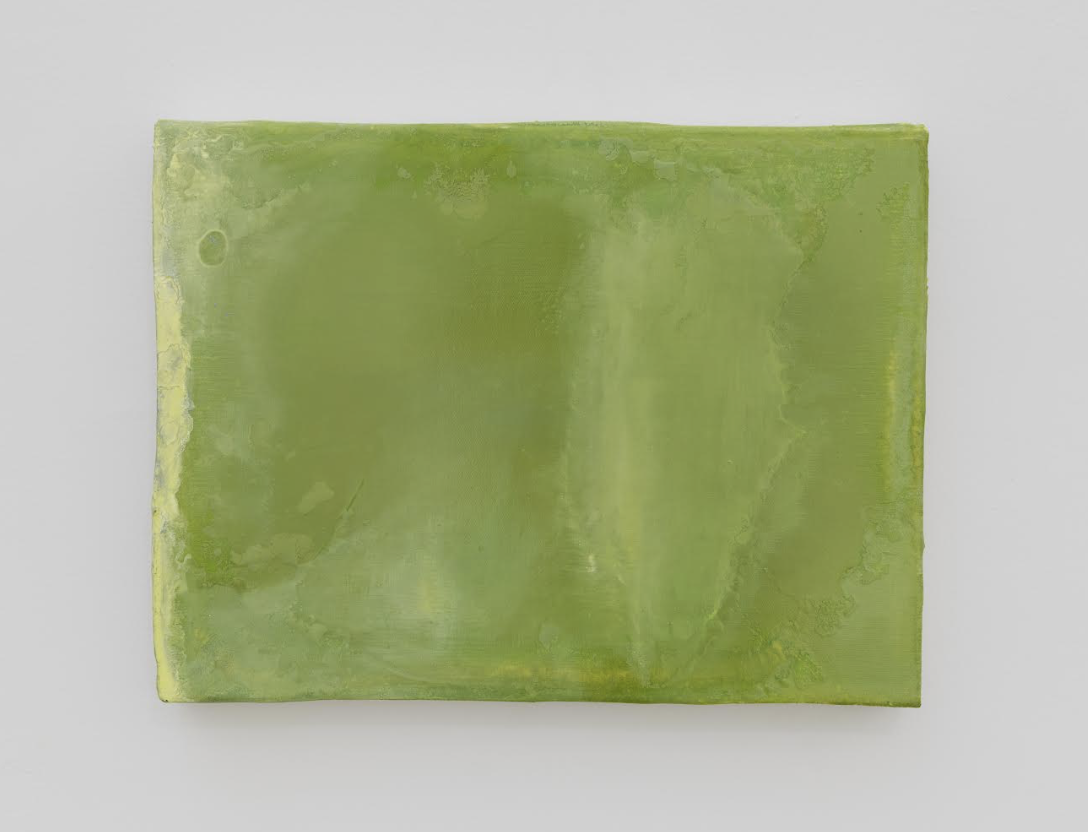
Figure 14.3: Hafsa Nouman, Desire for Resonance - the Leaf of the Apricot (1), 2025, oil on canvas, 16 × 12 inch (40.64 × 30.48 cm), polyptych. Photo: courtesy the artist and Sydney Mieko King © Hafsa Nouman
HN: What is the Desired Fruit? and Desire for Resonance - the River (4) are both inspired by lapis lazuli, a stone long associated with the region and ubiquitous throughout the valley. During a week-long trip with my family, I found myself drawn not only to the landscape, but to the way light moved across its surfaces. Later, while traveling through Egypt and Pakistan in the summer of 2024, I arrived at a realization that would become central to my practice: I was interested in reflection as a way of registering the present.
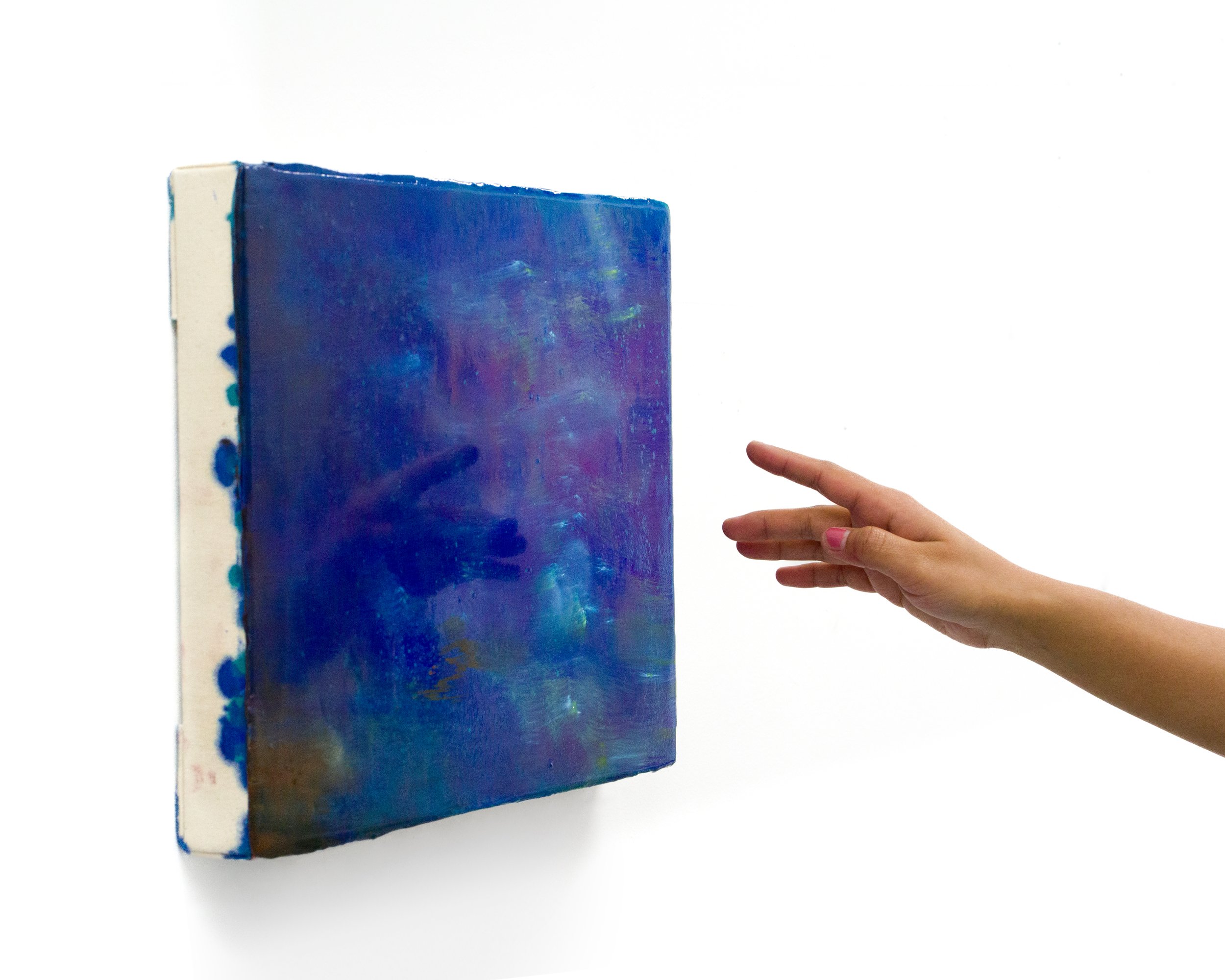
Figure 14.4: Hafsa Nouman, Desire for Resonance - the Leaf of the Apricot (1), 2025, oil on canvas, 16 × 12 inch (40.64 × 30.48 cm), polyptych. Photo: courtesy the artist and Sydney Mieko King © Hafsa Nouman
The idea crystallized in Alexandria, looking out at the Mediterranean. Water appeared simultaneously transparent, reflective, and opaque, shifting according to the light and viewpoint. I became interested in how a surface could hold these contradictory qualities at once and how painting might capture a moment without fixing it entirely. The challenge was to construct a surface that appeared wet without actually being wet.
This led me to think about the layered construction of miniature painting. By replacing water-based ingredients with oil-based mediums and building the surface through successive translucent layers, I began to develop a reflective skin that could operate like water, as simultaneously image, surface, and encounter.
LX: I like the waxy ripple effect. What about Shadow of November?
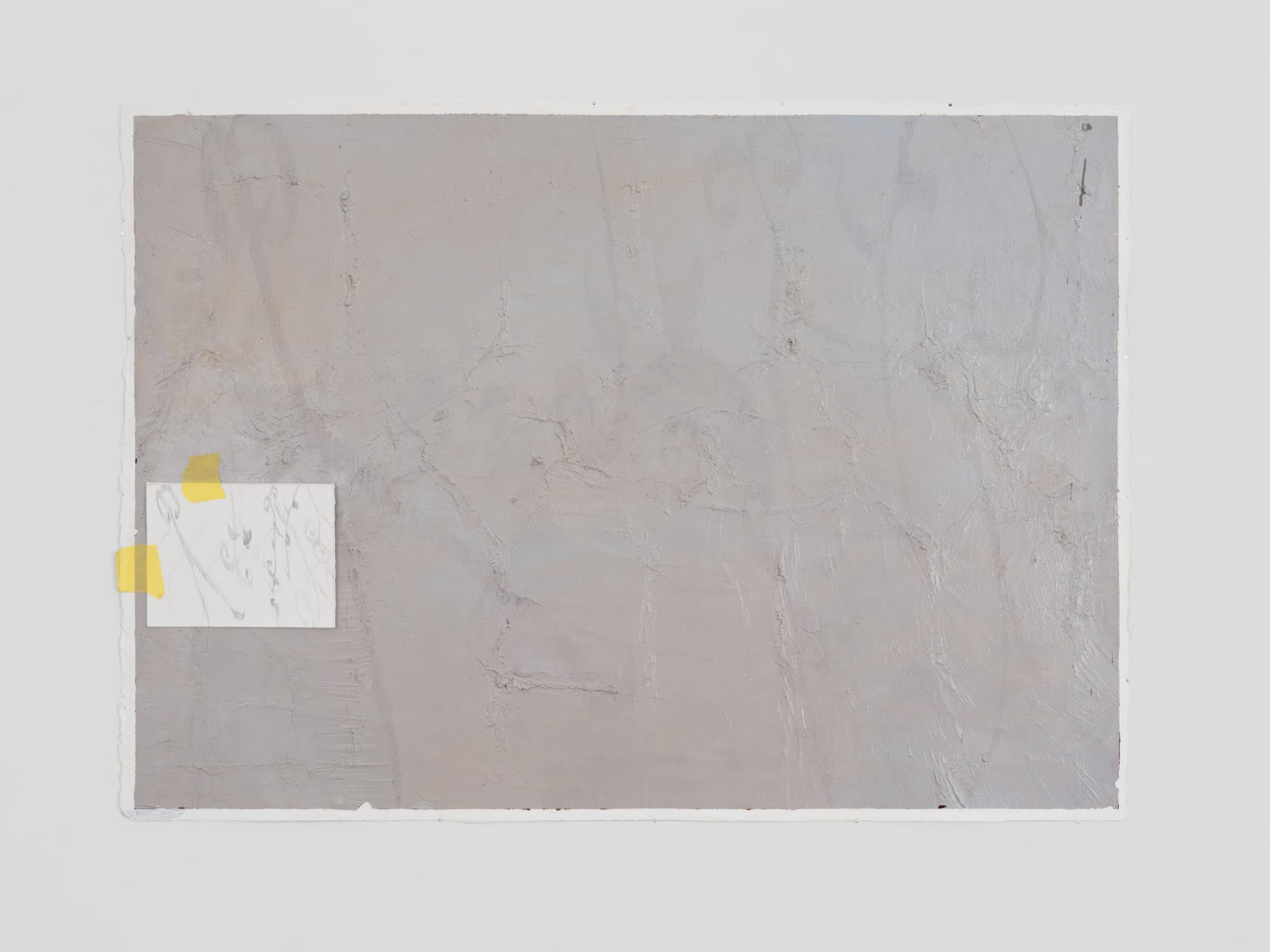
Figure 15: Hafsa Nouman, Shadow of November, 2023, oil, graphite and tape on arches paper, 41 × 30 inches (104.14 × 76.2 cm). Photo: courtesy the artist and Sydney Mieko King © Hafsa Nouman
HN: For this work, I examined wrought iron jaali patterns as sites of colonial systems of enclosure. During that period, vegetative motifs and local decorative traditions were incorporated into fences surrounding official buildings, transforming familiar cultural forms into instruments of separation. I have always been struck by the contradiction it embodies. They permit the gaze to penetrate the fence while preventing the body from doing the same. They’re simultaneously ornamental and disciplinary. Yet, after Independence, these patterns remained embedded within everyday architecture, so I grew up surrounded by jaalis, and admired the intricate shadows they cast across walls and floors.
This work responds to a particular image that stayed with me. During the bombardment of the Al-Shifa Hospital, one widely circulated video was filmed through a wrought iron window. I embossed it onto the paper. The wrought iron patterns from the video became both a physical threshold and a metaphor for the mediated conditions through which contemporary conflicts are seen.
LX: That’s powerful to experiment with physical barriers like that. Can you tell me about Dissolving Horizon and how it’s hidden behind Landscape Oscillating? It is interesting that you bifurcate and orient it sideways.
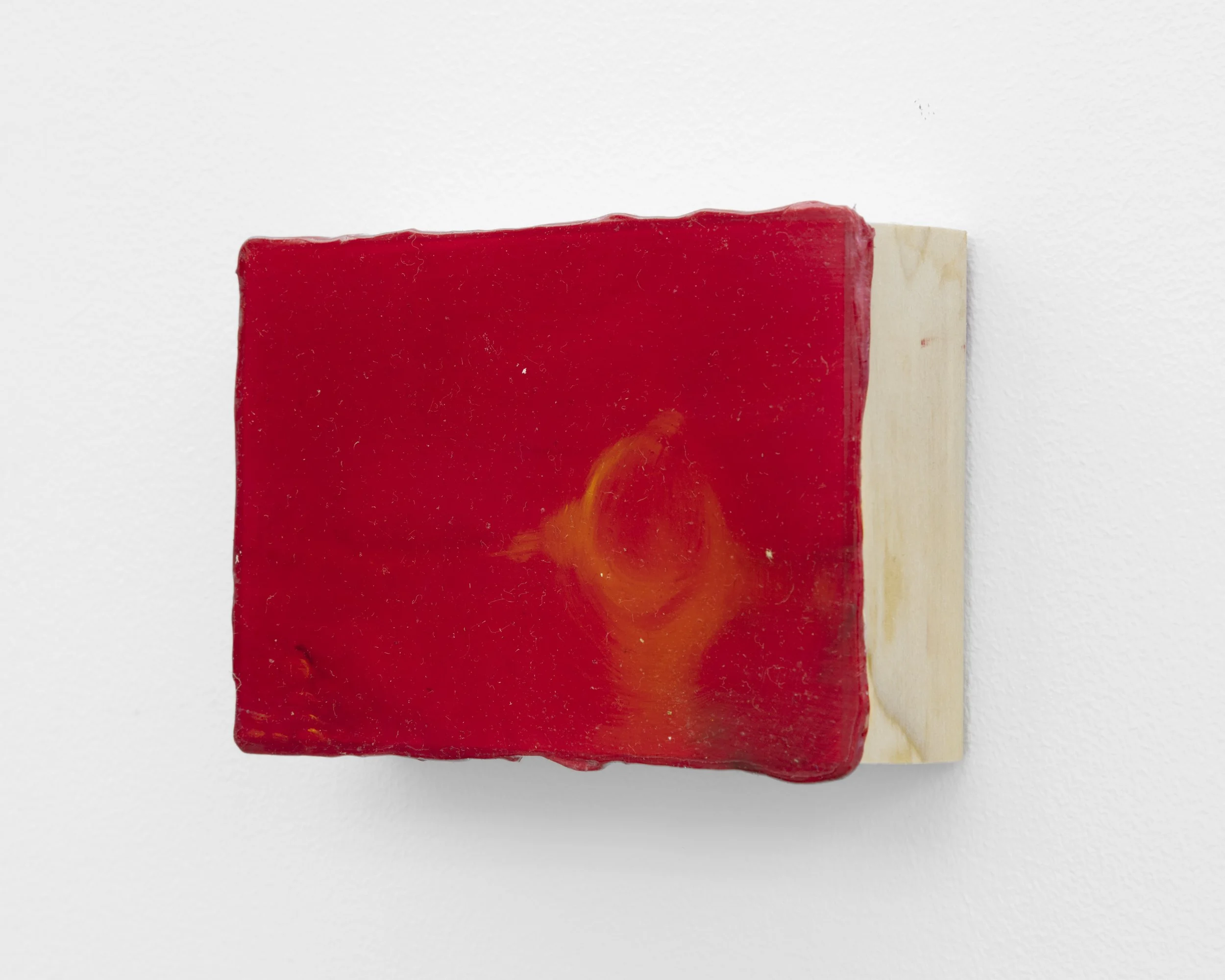
Figure 16: Hafsa Nouman, Dissolving Horizon (Dissolving Horizon is hidden behind a Landscape, oscillating.), 2025, oil on canvas and oil on wood panel, 6 × 4 inches (15.24 × 10.16 cm). Photo: courtesy the artist and Pat Garcia © Hafsa Nouman
HN: Yes, Dissolving Horizon was the hidden small painting behind a Landscape, oscillating. I was thinking about the notion of a book and what gets displayed in museums and special collections, and what never becomes visible.
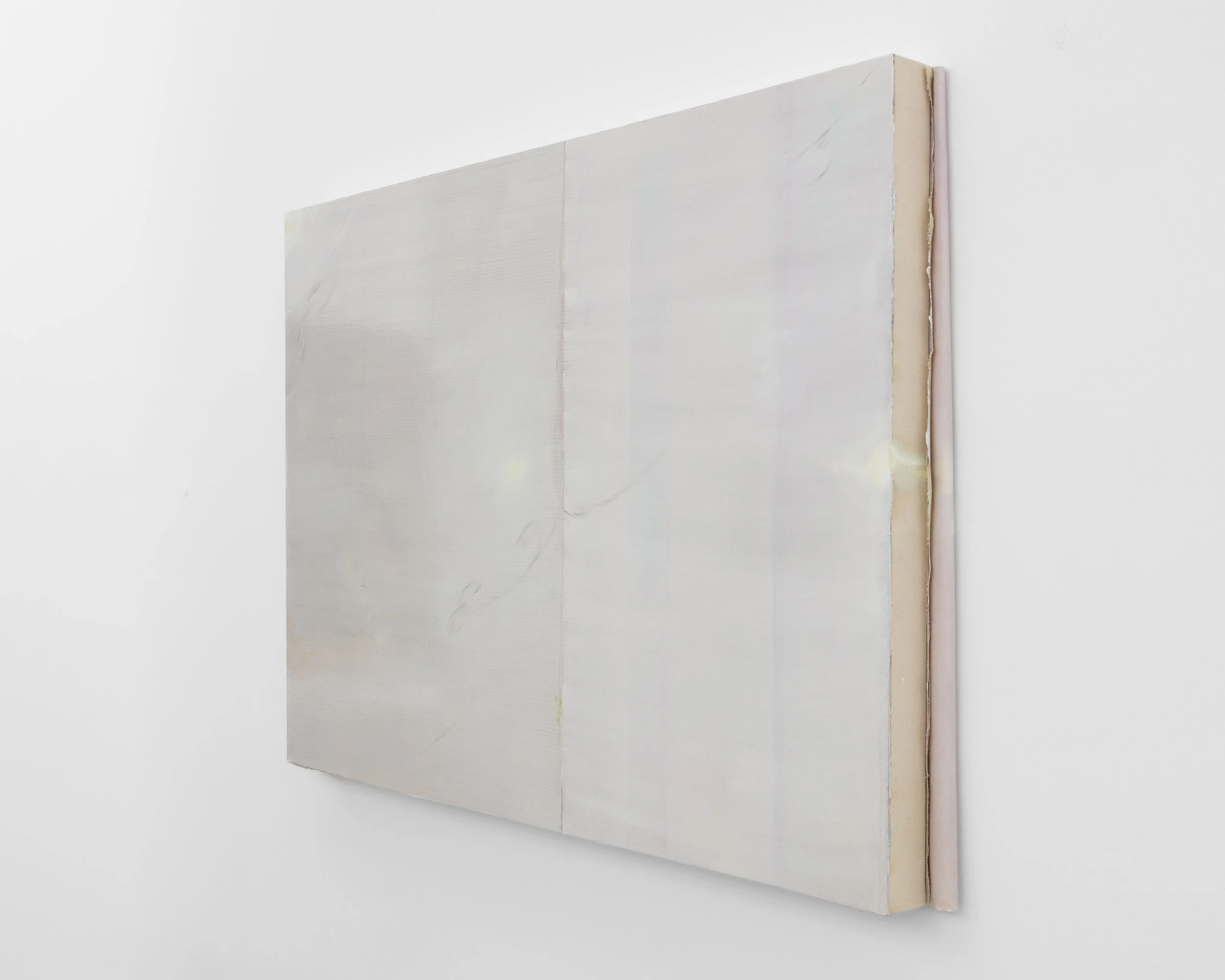
Figure 17: Hafsa Nouman, a Landscape, oscillating, 2025, oil on canvas, 63 × 45 inches (160.02 × 114.3 cm). Photo: courtesy the artist and Pat Garcia © Hafsa Nouman
It was important to leave the book's pages “blank” and reflective because colonization and decolonization are often imagined as events of the past or the future. The reflective pages are therefore not empty; they make the present visible, allowing the viewer and their surroundings to become the work.
LX: It was great to see your first solo show at Palo Gallery, Facsimile. What does “facsimile” mean to you?
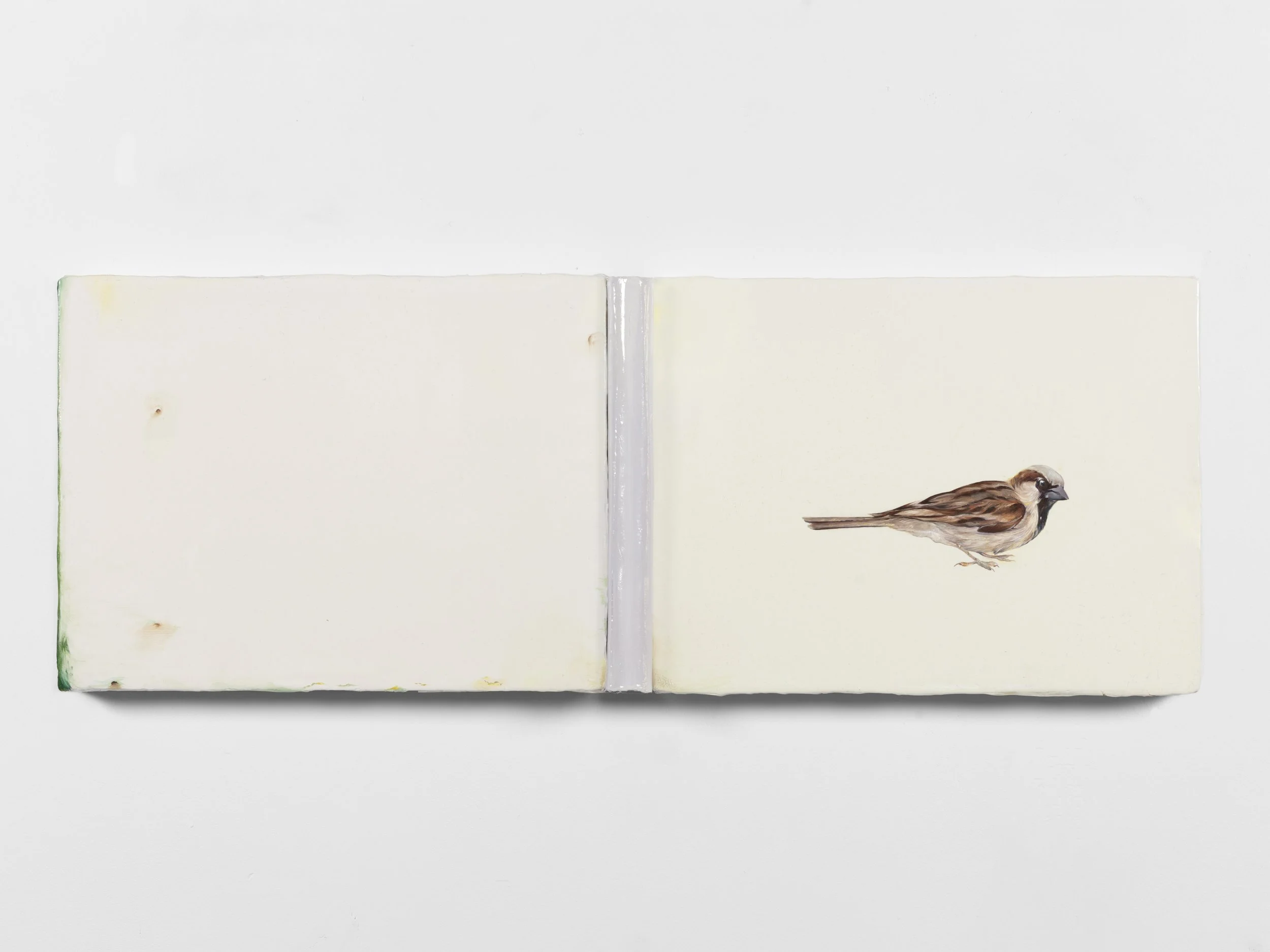
Figure 18.1: Hafsa Nouman, Once Ubiquitous, Dadi ki chirya, 2026, oil on canvas, 16 × 12 inches (40.64 × 30.48 cm), diptych. Photo: courtesy the artist, Pat Garcia, and Palo Gallery © Hafsa Nouman
HN: I am so glad to hear that. I see facsimile not as a faithful copy of an original, but as a form that emerges when the original can no longer be encountered on its own terms.
LX: Your grandma’s impact is ever-present throughout the exhibition. Can you highlight a particular work?
HN: During one of my studio visits with Meleko [Mokgosi], he said, “Your main audience is the women in your family, especially your grandmother and your mum.” In this show, it was made very clear to me that that was the case because I felt that the work was incomplete without them seeing it in person.
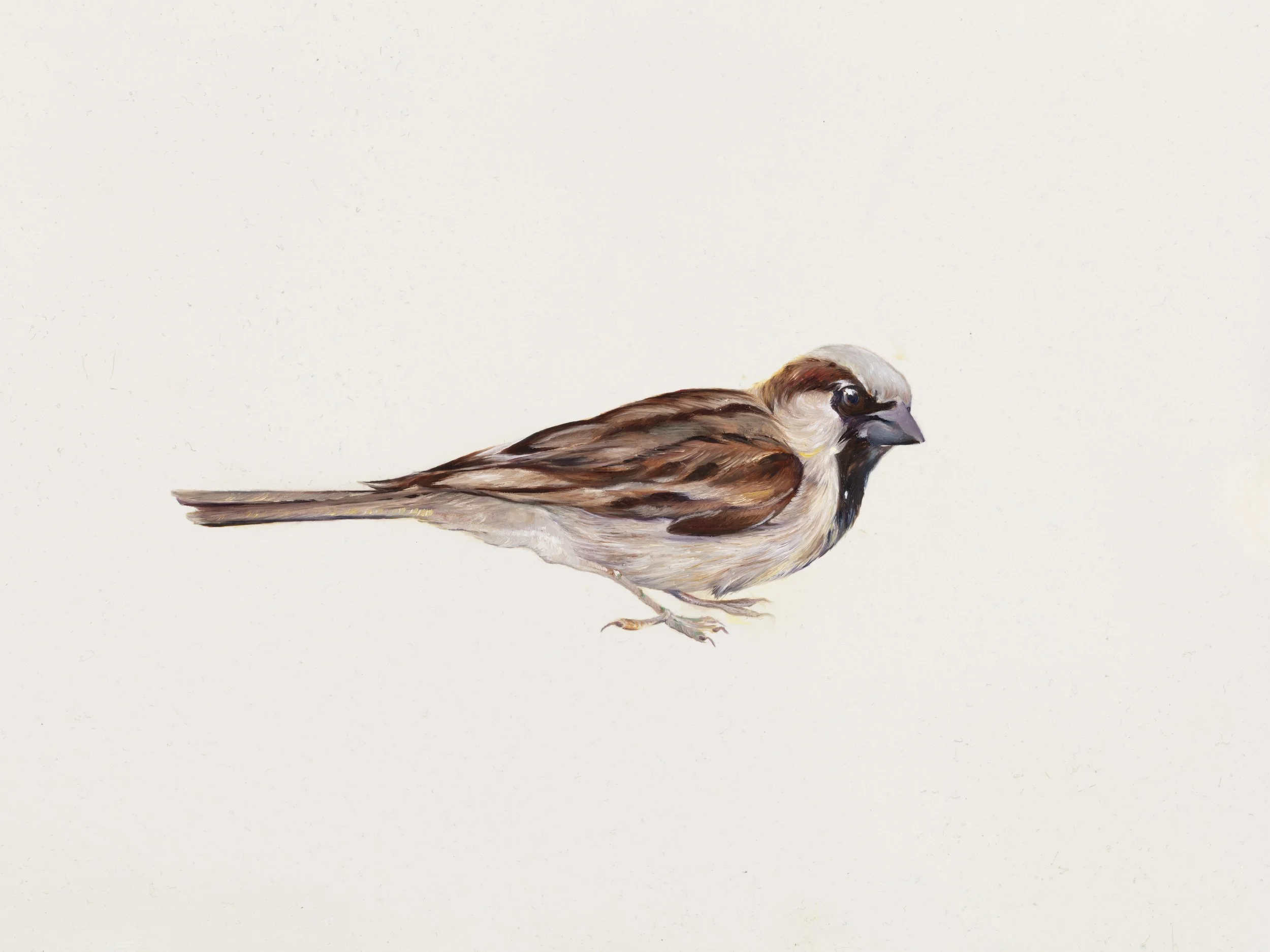
Figure 18.2: Hafsa Nouman, Once Ubiquitous, Dadi ki chirya, 2026, oil on canvas, 16 × 12 inches (40.64 × 30.48 cm), diptych. Photo: courtesy the artist, Pat Garcia, and Palo Gallery © Hafsa Nouman
Dadi was a brave woman.
[Gestures to sparrow painting] This work depicts a small segment of my grandmother’s life and her close relationship to a wild sparrow. The sparrow was known in my family as Dadi ki chirya—my grandmother’s sparrow. It was not a pet, but a regular presence that lived in the mango tree outside our home. Injured and cautious, it would appear with a gentle suddenness each evening as my grandmother sat on the terrace drinking chai. Their relationship emerged through repetition rather than ownership, and through their shared attention to the arrival of dusk.
One evening after my family had been away all day, the sparrow was found waiting outside my grandmother’s room. She fed it from her hand, and shortly afterward, the chirya passed away. She had come to say goodbye to Dadi.
LX: That’s so beautiful.
HN: A museum may preserve the sparrow’s body, habitat, and classification, but not the phenomenon of a bird waiting for a woman it trusted.
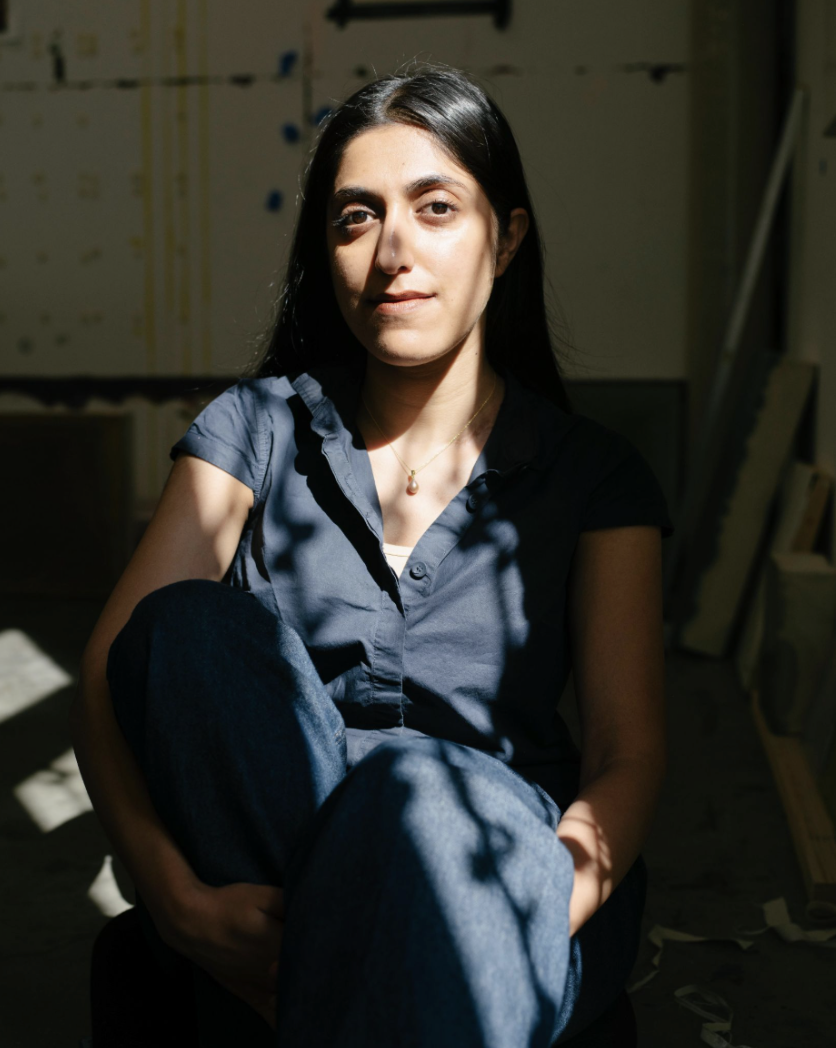
Hafsa Nouman
Hafsa Nouman (b. 1998, Lahore) is a Pakistani visual artist based in New Haven, Connecticut. Her practice engages memory, ecology, and decolonial inquiry through painting and installation. Having lived within economies shaped by IMF-led reform and neoliberal extraction, she approaches decolonisation as a mirage, a horizon structured by desire, always visible yet endlessly deferred.
Nouman’s works exist both as an image and a withheld object, structurally present yet visually inaccessible. Through reflective surfaces that glimmer and oscillate, she complicates flatness and destabilises the act of looking. The viewer is positioned not as a passive observer, but as an implicated witness, confronted with the conditions that govern visibility, preservation, and loss.
Website: https://hafsanouman.com
Instagram: https://www.instagram.com/hafsa.noumanq/