

Ephemeral Fantasies: In Conversation with Dan Bunn
Dan Bunn creates contemporary vanitas still lifes with sincere detail. Lara Xenia speaks with Bunn about his first forays into making still lifes, his old school inspirations, and his technical approach to painting.
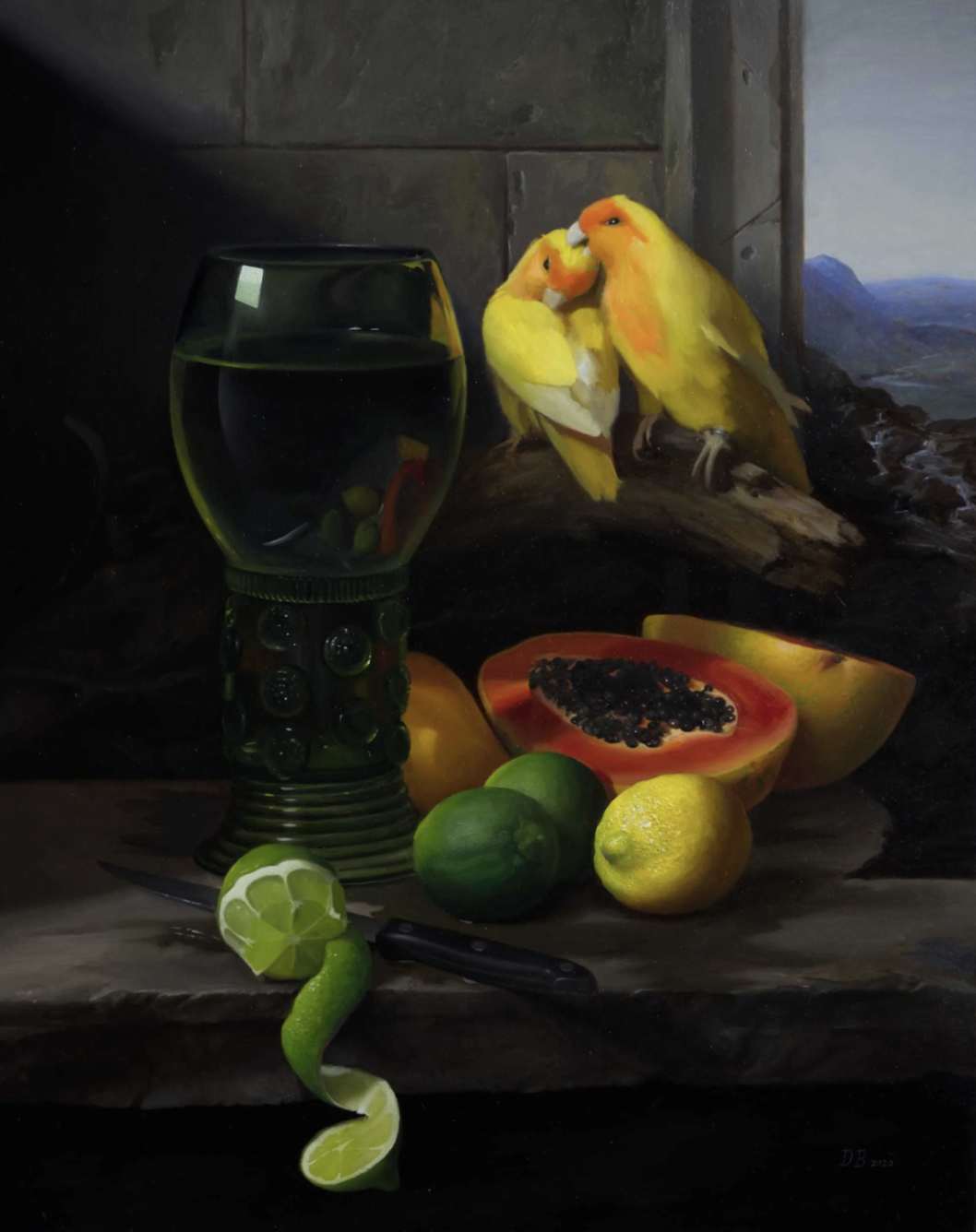
Figure 1.1: Dan Bunn, Lovebirds, 2020, oil on board, 20 × 16 inches (50.8 × 40.64 cm). Photo: courtesy the artist © Dan Bunn
LX: Where did you grow up and what’s one of your earliest encounters with art?
DB: I grew up in a valley in the middle of nowhere in Wisconsin. My love for art came from “making things” as a kid and from having a craft sensibility. I was lucky enough to have access to materials. My parents were supportive and were super into global folk art, like old signs and antiques. In the early 2000s, I was given The Art of the Lord of the Rings and started making chainmail armor [smiles]. I was obsessed with Middle Earth, and made swords and armor out of cardboard…I even studied “dwarvish runes” and stuff like that.
LX: That's so cool, that reminds me of my fencing days [laughs]. I hope you’ve kept some of those swords! What brought you to New York?
DB: I have. I lived in California for a bit to study illustration and various fine art mediums at California College of the Arts. I’m super thankful to have had the opportunity to learn and experiment at such a young age. I spent most of my free time doing urban exploring with my friends and by myself. I eventually started oil painting landscapes on location, which mirrored urban exploration despite it being a completely different activity. From there, I gradually started making fine art friends, so we’d go on landscape painting missions together.
That’s when I began to hear little whispers about the Atelier movement in New York. I took a sculpting class with Alicia Ponzio, who had studied and instructed at The Florence Academy in Italy. Around 2015, I needed a change in my life, and I received a scholarship to attend Bo Bartlett’s painting workshop in Columbus, Georgia for a week. Hearing his stories about living as an artist in NYC and Philly inspired me to go on more quests, so I attended a summer class at Grand Central Atelier (GCA) and basically never left.
LX: That’s amazing. Are you happy you got the degree?
DB: Yeah, and while I’m grateful for having it at one level, I sometimes wish I’d studied a more technical skill like industrial design or engineering. In fine art programs, everything is so amorphous that someone could be a painter, but end up doing video installations or building sculptures with ready-made industrial items. When I was in school, I literally just wanted to draw. I found my place in the end, since we were drawing live models for 8 to 12 hours a day for several years. Atelier programs are also a fraction of the cost compared to art colleges. You can go for just a year or stay for longer if you want to.
LX: Yes, art school is pricey, so I get what you mean. It’s good to have that flexibility. Let's talk about your Fruit on a Ledge series. I really admire your attention to detail creatures, and that you paint everything from salamanders to birds. This Lovebirds one is stunning.
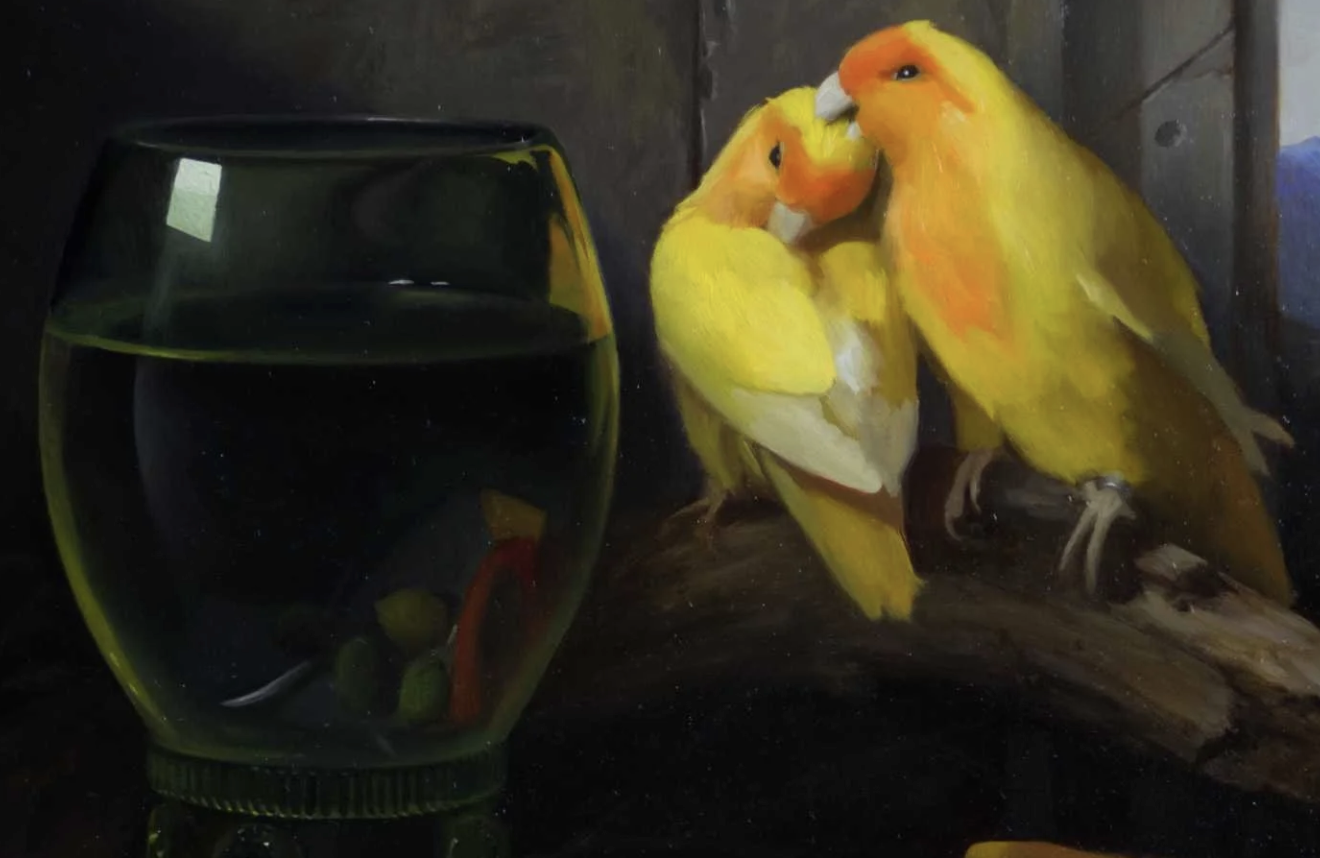
Figure 1.2: Dan Bunn, Lovebirds [detail], 2020, oil on board, 20 × 16 inches (50.8 × 40.64 cm). Photo: courtesy the artist © Dan Bunn
DB: Oh, sweet, thank you so much. It's partly because I grew up in the middle of nowhere, like practically in a forest. I never played video games and pretty much spent my childhood running around outside catching toads and stuff or puttering with various craft projects…or legos. The GCA encourages a Renaissance-style process, where you do a drawing on paper and transfer it to the canvas. Sometimes I do that, but mostly I draw with the brush without a linear transfer, which is what I did here. I wanted to make something that could be from another time period.
LX: That sounds idyllic honestly. How has the art world responded to these works? Are you working with any galleries at the moment?
DB: It varies so much, but I have gotten a few funny or quirky reactions from curators. I am still finding how to jive with it. In 2019, I felt super lucky because my painting Orange Peeler was accepted to the Figurativas show at the European Museum of Modern Art (MEAM). I did a few group shows with Arcadia Contemporary, and recently with Nanny Goat Gallery in the Bay Area. A few years ago, a gallerist told me that I had to have at least ten solo shows of still lives before experimenting with other stuff, while rejecting a few of my non-still life paintings. Another saw a portrait sketch and said, “I need to give you some advice. You need to have more fun in your paintings. You’re being the Old Master, you should have more fun.” I think she was trying to say, “ Be more contemporary,” since a lot of what I’m making is inspired by the 17th century.
I’m trying to cultivate the surface quality of the past masterworks in my practice. I went to the Rijksmuseum and Mauritshuis a few years ago and was able to see Jan Lievens’ Still life with Books, Jan van Huysum florals, Vermeer’s Little Street, Rembrandt’s surgical painting, and one of my favorite paintings by Willem Kalf from just inches away. That level of painting simply is not being reached in the present day. I am trying to take all of these inputs as useful information, but chart my own path. I’m still developing my world, but I’m definitely already having fun in my work. Like, dude, I painted frog sex beside a human skull with missing teeth and a sickening grin…I don’t know what people are missing? [laughs]
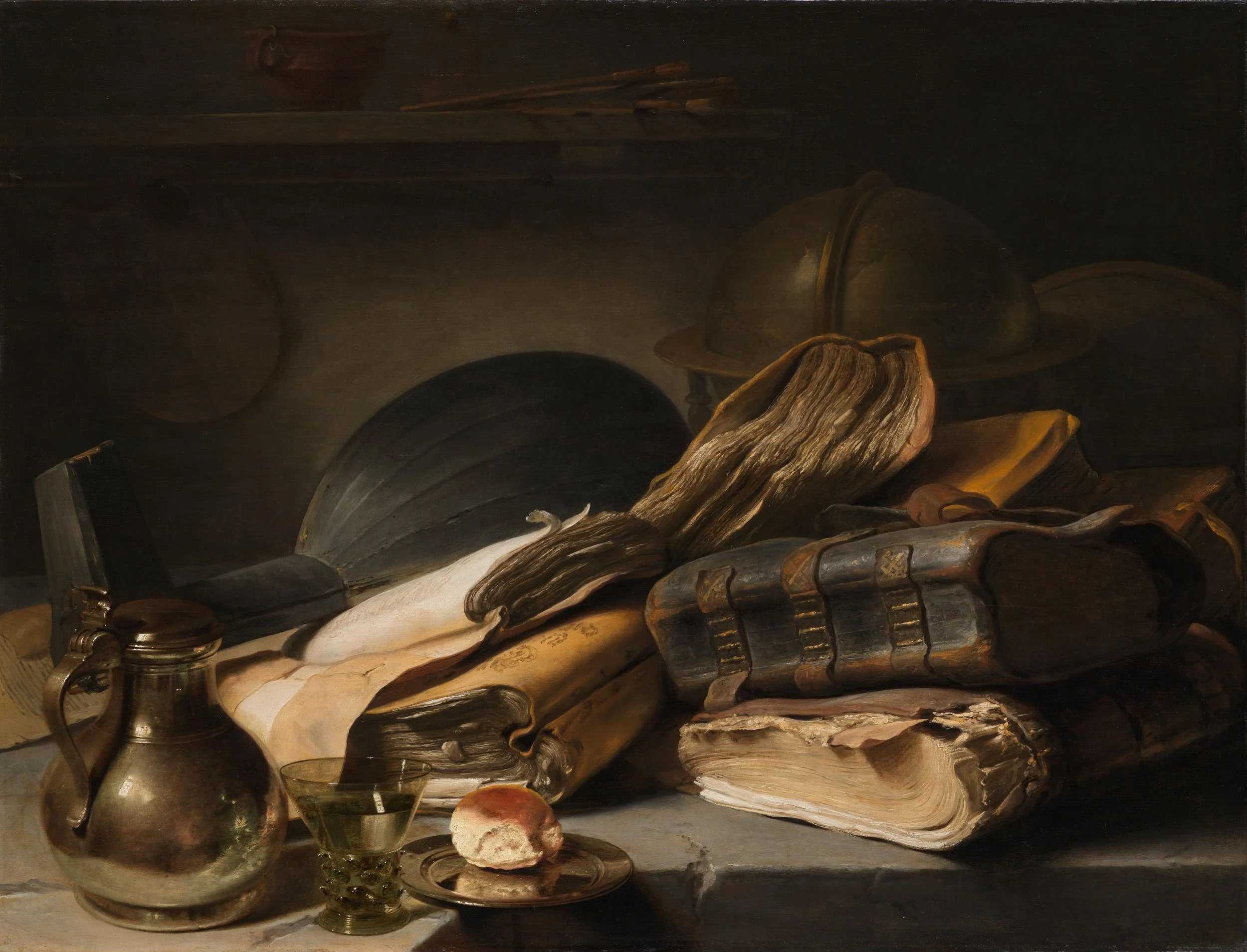
Figure 2: Jan Lievens, Still life with Books, c. 1627–1628, oil on canvas, 47.2 × 36 inches (120 × 91 cm), Rijksmuseum, Amsterdam, Netherlands (SK-A-4090). Photo: courtesy Rijksmuseum
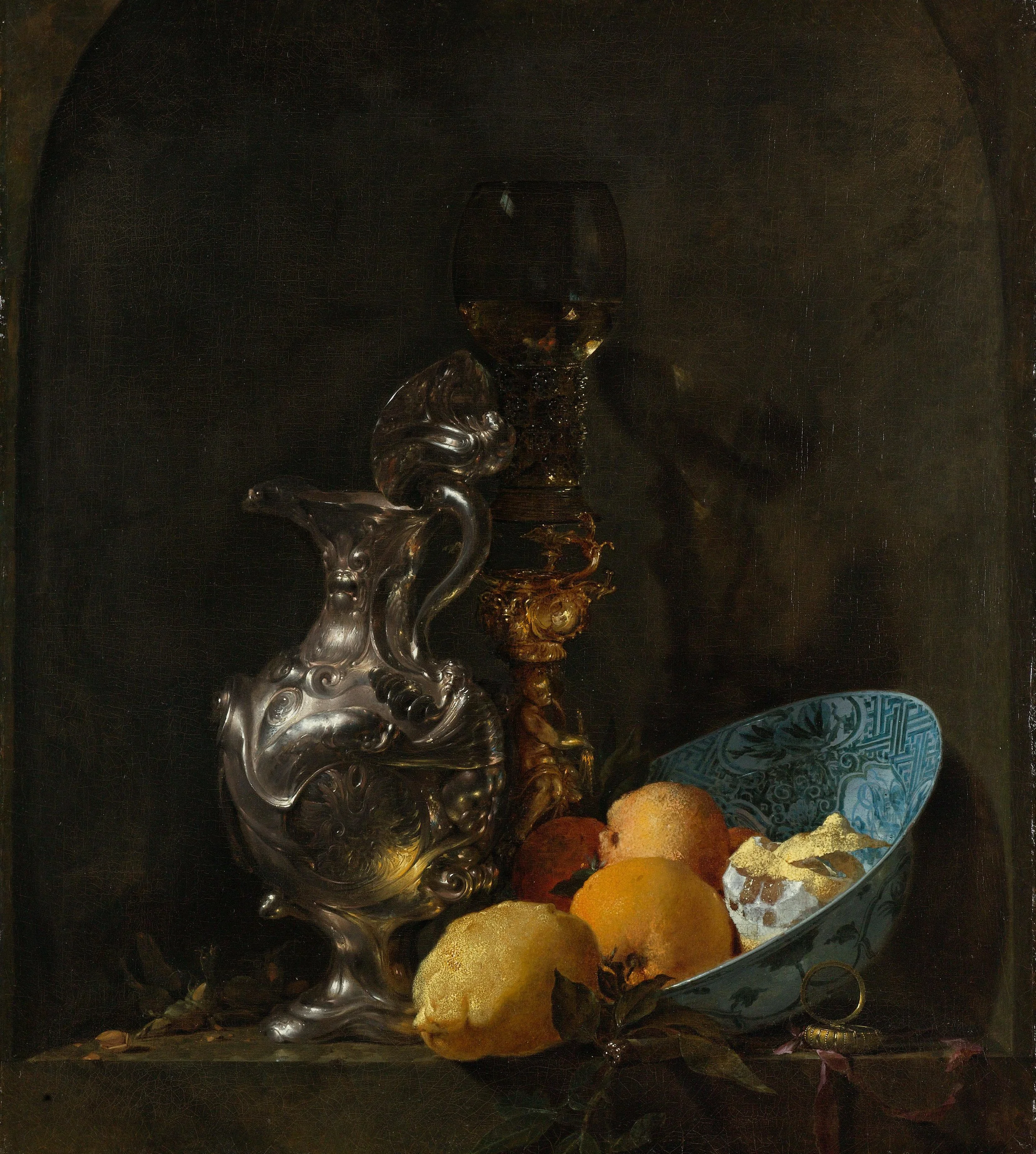
Figure 3: Willem Kalf, Still Life with a Silver Jug and a Porcelain Bowl, 1655–1660, oil on canvas, 29.05 × 25.66 inches (73.8 × 65.2 cm), Rijksmuseum, Amsterdam, Netherlands (SK-A-199). Photo: courtesy Rijksmuseum
I’m trying to cultivate the surface quality of the past masterworks in my practice.
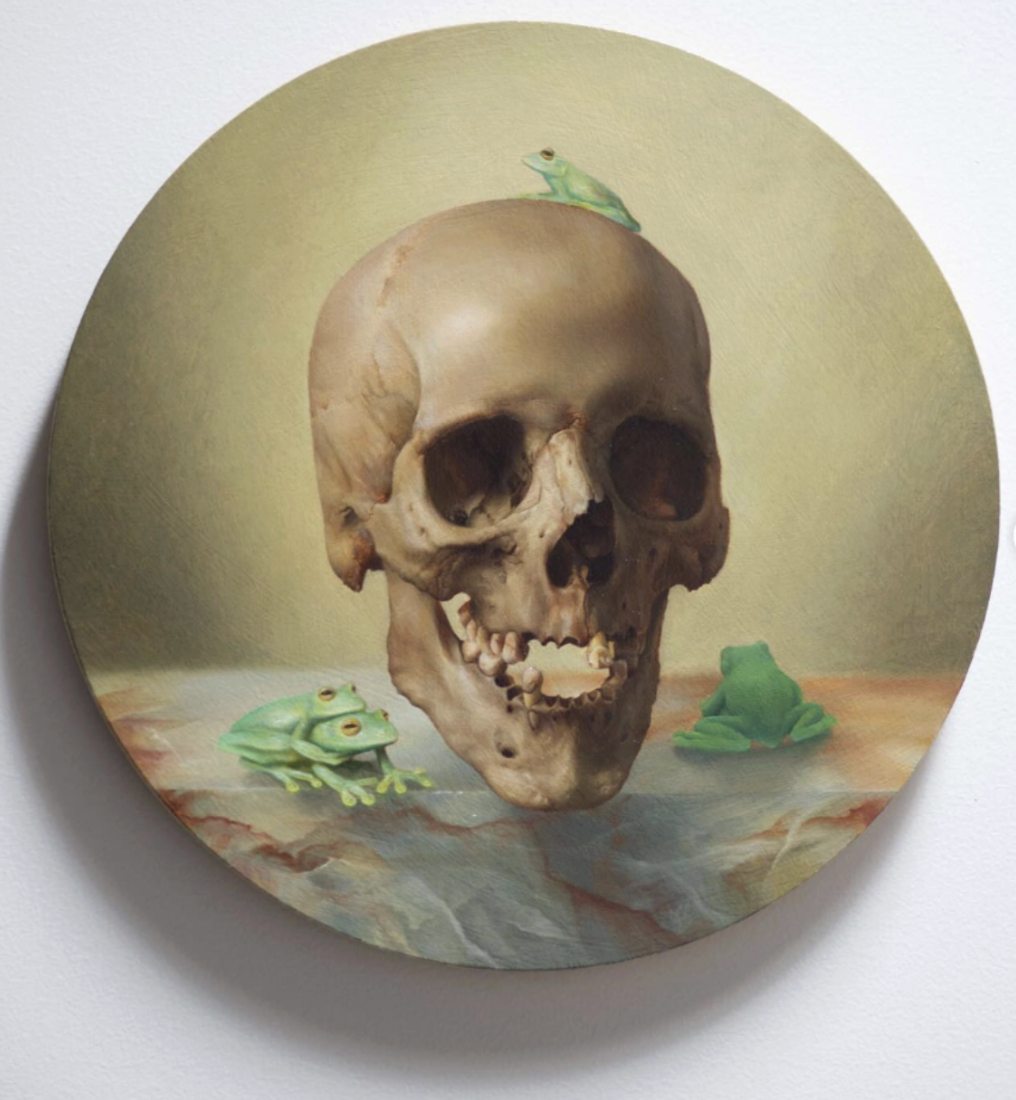
Figure 4: Dan Bunn, Levitating, 2024, oil on tondo panel, 12 inches (30.48 cm). Photo: courtesy the artist © Dan Bunn
LX: That's so funny, I didn’t even notice that initially. Could you tell me about your process and how you go about rendering your works?
I never played video games and pretty much spent my childhood running around outside catching toads and stuff or puttering with various craft projects…or legos.
DB: Okay, two things. I first try to materialize the internal vision into a setup or reference of some sort, and then I consider how to construct the physical painting. In terms of creating a setup, I have learned mostly through experimentation on my own, and through osmosis. I also took a still life painting workshop at the GCA with Tony Curanaj and another with Justin Wood, which helped a ton. I’m essentially making a diorama of the thing I want to paint, and then I paint from observation. This is a super historical process; even Michelangelo made terracotta maquettes for his monumental sculptures and frescoes. Physically materializing my vision is so exciting for me. For the Love Birds, I used taxidermied birds as models, and then invented the landscape as a sort of arcadia dreamworld.
LX: No way, these are taxidermied? These look so sturdy, but they also look so real.
DB: Thank you so much. It's a bit sad, but it's also kind of beautiful.
LX: When you go to museums, what rooms do you gravitate towards?
DB: I absolutely love looking at ancient artifacts, and love that at a place like the Met you can find a van Vianen auricular goblet a few rooms away from Aztec or Egyptian animal sculptures. I try to listen to my intuition and find new things. I definitely look at still lifes and oil paintings. It’s really a gift that they’re publicly accessible. I also try to see the auction shows, too.
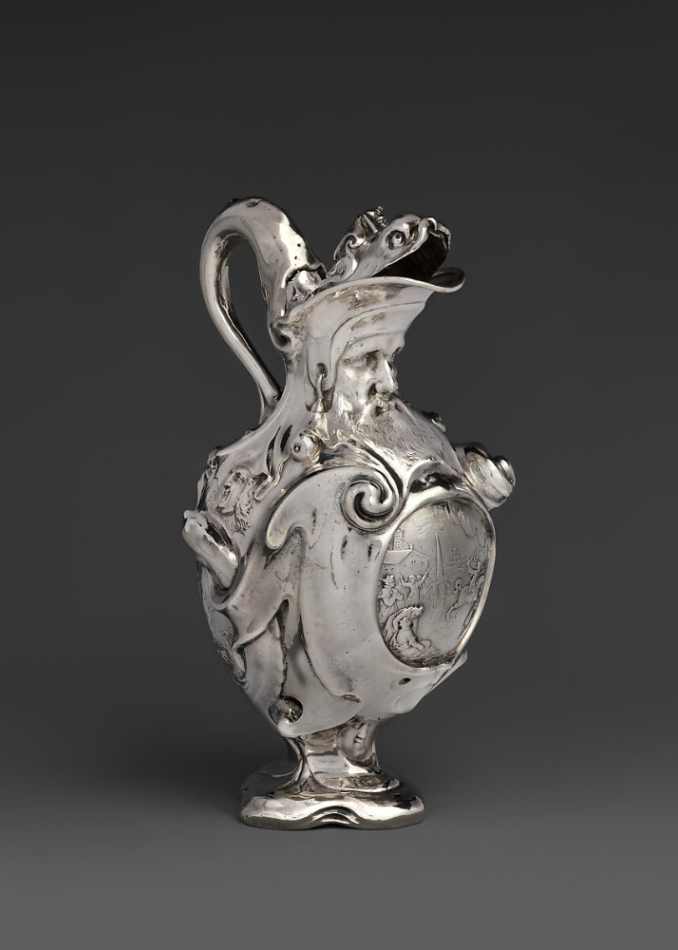
Figure 5: Adam van Vianen, Ewer with scenes depicting the legend of Marcus Curtius, 1619, silver, 9.06 × 5 x 4.75 inches, 23.331 oz. (23 × 12.7 × 12.1 cm, 661.5g). Purchase, Lila Acheson Wallace and Howard S. and Nancy Marks Gifts; Gift of Irwin Untermyer and funds from various donors, by exchange; From the Marion E. and Leonard A. Cohn Collection, Bequest of Marion E. Cohn, by exchange; Bequest of Bernard M. Baruch and Gift of Mrs. Robert M. Hillas, by exchange; Bequest of John L. Cadwalader and Gifts of Lewis Einstein and William H. Weintraub, by exchange; From the Collection of Mrs. Lathrop Colgate Harper, Bequest of Mabel Herbert Harper and Bequest of Alexandrine Sinsheimer, by exchange, 2018 (2018.194a, b). Photo: courtesy Metropolitan Museum of Art
LX: Your Anguish painting is beautiful too. The sky is so enveloping.
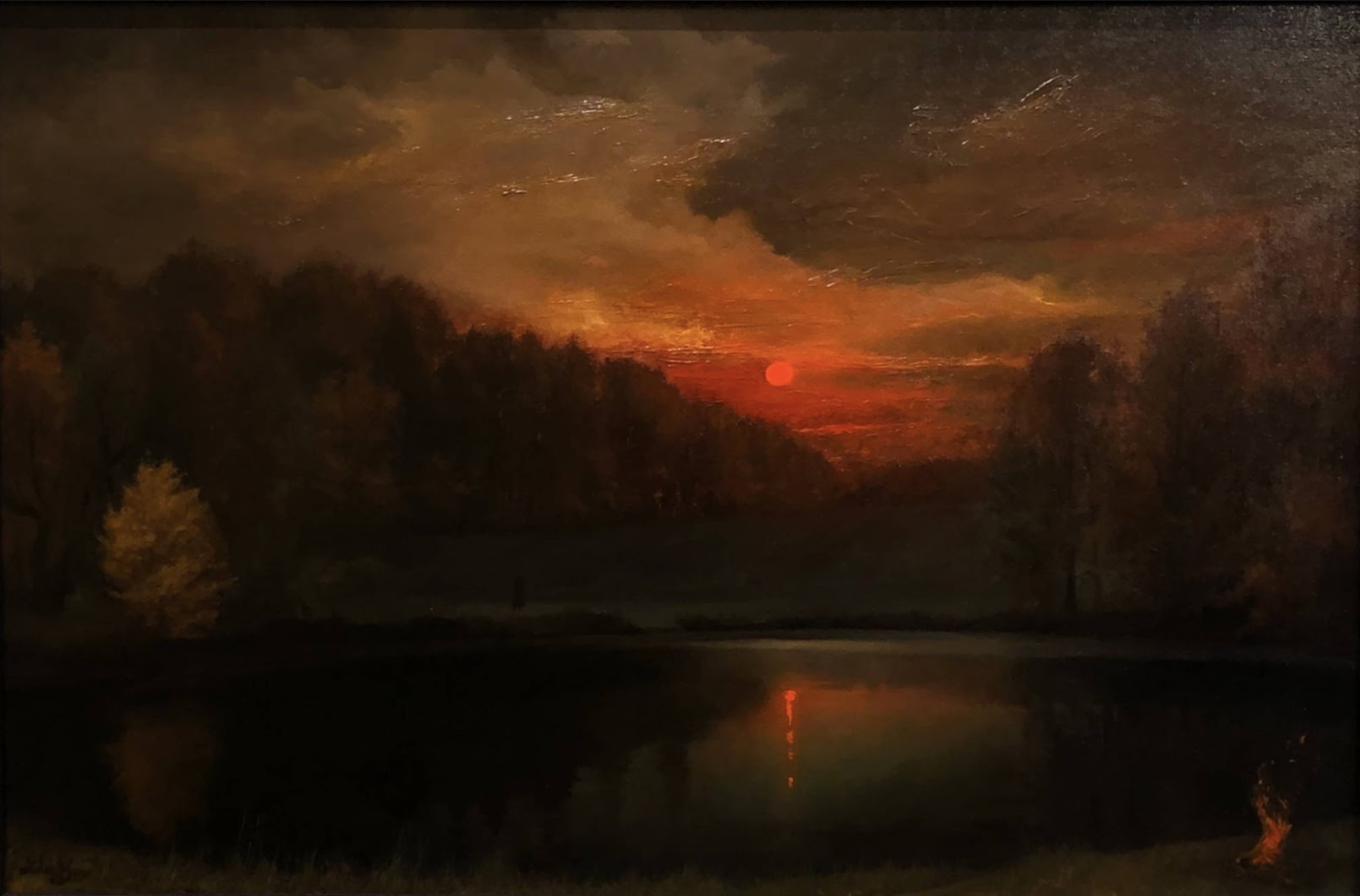
Figure 6: Dan Bunn, Anguish, 2022, oil on canvas, 36 × 24 inches (91.44 × 60.96 cm). Photo: courtesy the artist © Dan Bunn
DB: Thank you for looking at all that stuff in detail. I really appreciate it. A few years ago I joined a residency called the Hudson River Fellowship. It was created by Grand Central Atelier in the 2000s to revitalize pre-impressionistic painting, and was inspired by the Hudson River School painters. We went to Weathersfield garden in Dutchess County for three weeks in the summer, and then one week in October. The premise was to forget the modern world for a bit and sketch outdoors. Even though I love painting with friends, I sometimes get psyched out by all of the personalities, the weather, the changing light, et cetera. Part of me wants to just sit and watch the sky and clouds passing by and not try to paint it. I started painting Anguish from observation, but I also was inspired by walking at dusk.
LX: When did you add the reddish orange hues?
DB: In the studio. When I’m outside I sometimes sense these fleeting magical moments as peripheral to whatever is happening…it feels futile to capture them in the moment. On one hand, if you're standing there painting, you might be outside longer than normal and you might notice more of these moments. However, the act of painting can get in the way of the experience for me and I just want to be present and living life. It can be hard to detach from the outcome of the painting, even as I am trying to release the pressure of capturing the uncapturable. I will say, a lot of the phenomena in nature are so nuanced and particular to human vision, you couldn’t photograph it even if you wanted to. The only way to hold onto the feeling is as a memory in your mind, or attempt to record the color relationships in a sketch.
LX: How long did you stay outside for that painting?
DB: Four days for several hours per day. There's a convent in the same valley, and the nuns would walk by as we were painting. It’s harder to see, but there's a little figure walking in the distance on the far side of the lake in the painting [points to detail]. It might be the convent lady, or it could be whoever you see in it. I love when there are tiny details in a painting that you might miss even if you're in front of the painting. There are so many things competing for your attention these days…when I look at artwork, especially older artwork, there’s a richness and gradual reveal that I can only hope to tune into as a painter.
LX: That's very true. What was the first subject matter that you gravitated towards at GCA as a figure drawer? I find it very freeing.
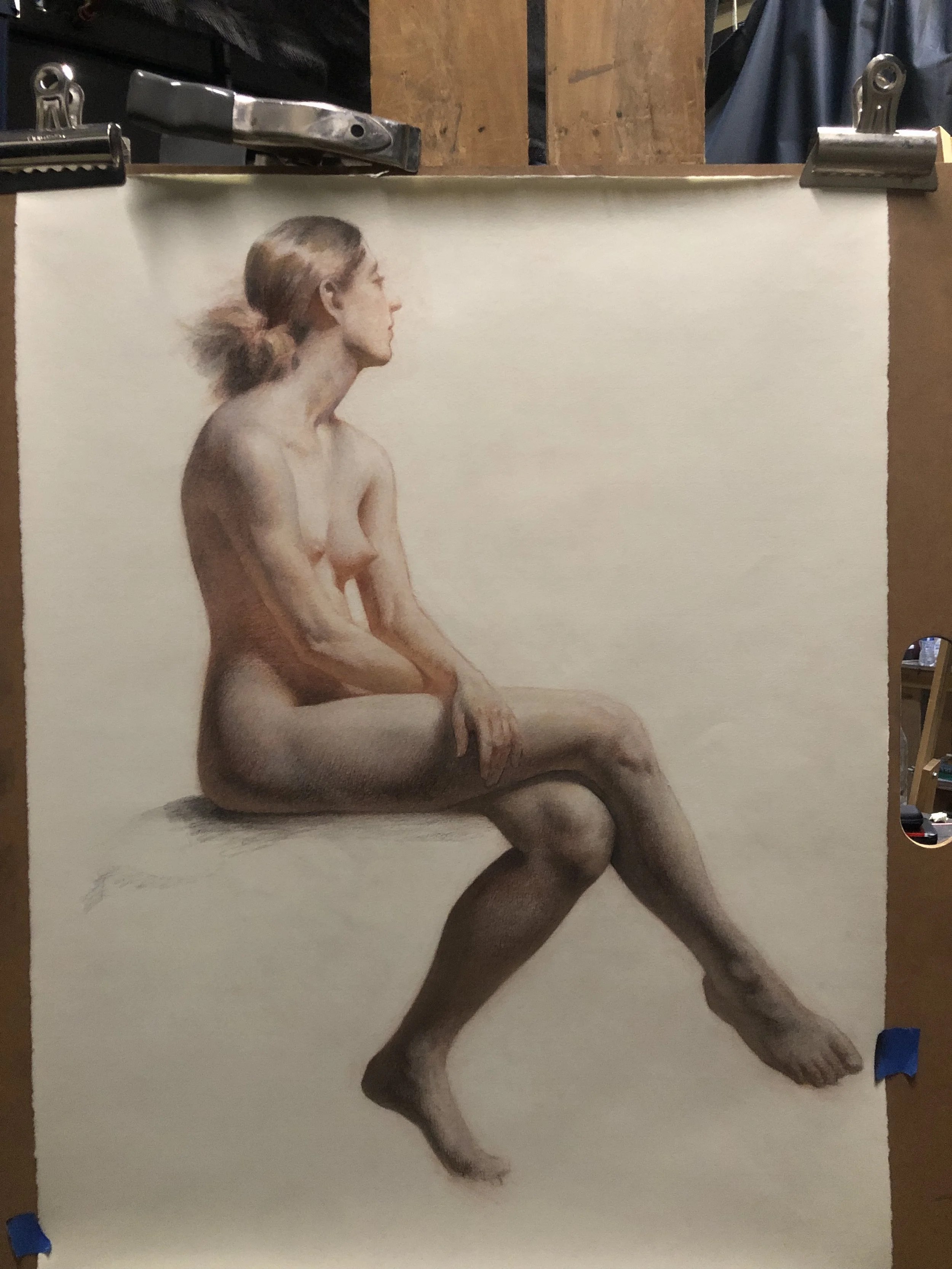
Figure 7: Dan Bunn, Figure Drawing of Liz, 2026, red and white charcoal on paper. Photo: courtesy the artist © Dan Bunn
DB: Yeah, totally. Figure drawing is a really special practice. Sometimes there’s a balance between freedom and a responsibility to make something with structural integrity and to honor the subject. Colleen Barry was one of my main instructors at the GCA. Her Substack has been blowing up recently and I really liked this quote from her: “The figure is not just a subject in art. It's a form in and of itself.” My path to representational painting definitely began with figure drawing as a teenager. I was immersed in figurative work, but I also began my food and animal still lifes around that time. I’m still sorting out how to make sense of this in terms of showing work. I was feeling disillusioned for a while by outside critiques of simple subject matter, but I’m now finding that there’s conceptual depth if you look closely enough. I’m planning to do a pop up show this spring, to test some ideas and share what I’ve been making lately.
LX: I can really see that skillset of figure drawing in your lines because they’re very defined. What was your first series, then? The fruit on a ledge series?
DB: Somewhat, yes. That’s the first body of work that I think works as a series. I’m continually re-assessing, though, and finding new ways to remix the subjects. Sometimes the paintings are talking to each other, and a character I thought I was done with will show up in a new piece. Go figure [laughs].
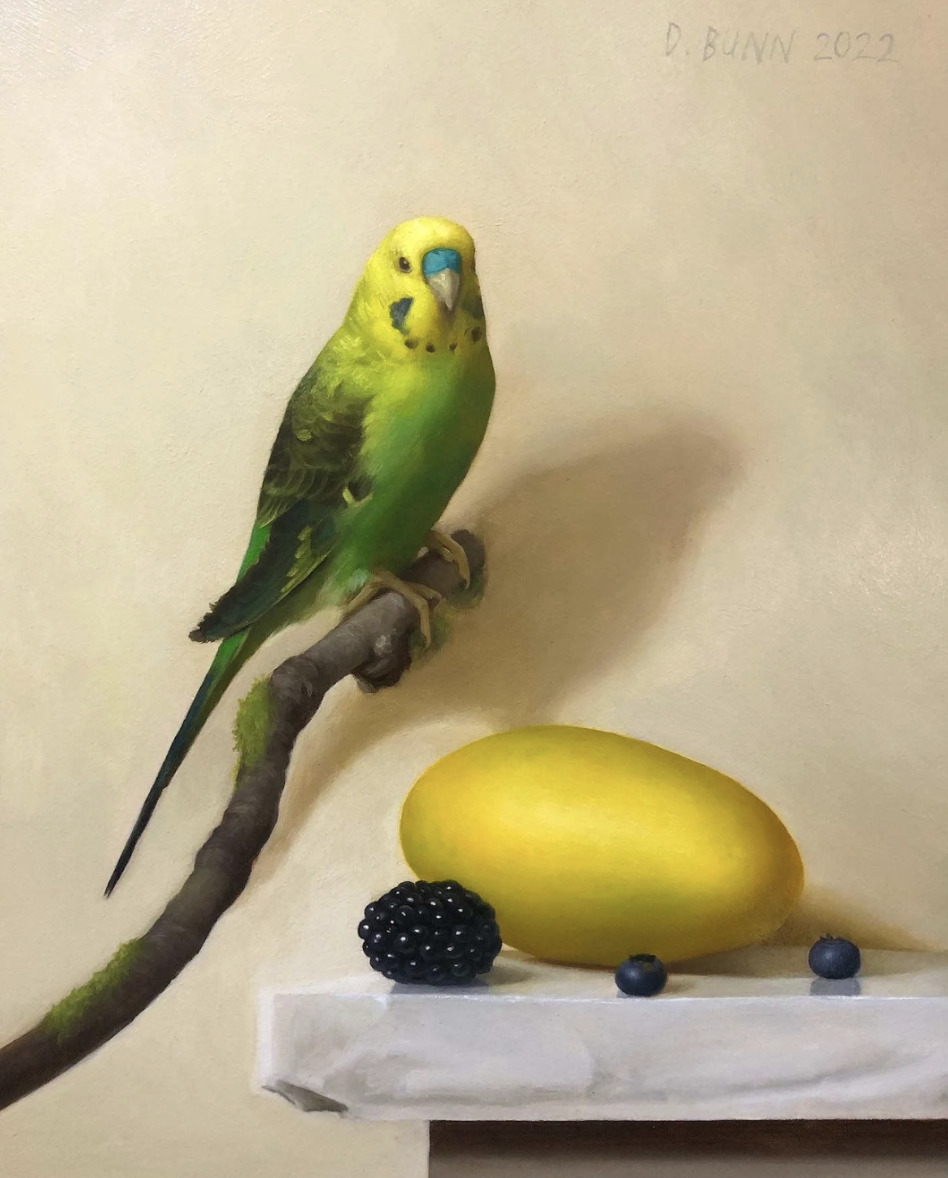
Figure 8: Dan Bunn, Parakeet with fruit, 2022, oil on board, 10 × 8 inches (25.4 × 20.32 cm). Photo: courtesy the artist © Dan Bunn
LX: It’s cool that you stage your compositions.
DB: Yeah, building the world is a super fun part of the process for me. I would like to expand some of the set ups into stand alone sculptures. I finished school right as the 2020 pandemic shut down the world and the only place we were allowed to go was the grocery store. I painted a handful of fruit pieces then, so maybe they were partially designed by circumstances as much as artistic choices, though I was definitely also inspired by fruit pieces of the past. I enjoy the subgenres and formal constructs of Baroque painting, like placing items on a ledge.
LX: What ledge did you use for the Parakeet with fruit?
DB: It's a piece of marble. I collect bricks and stones on the street or even pieces of sidewalk from construction trash piles. I am really inspired by Christian Rex van Minnen, and how he completely fabricates his backgrounds and textures. I’ve experimented with inventing marble, and I hope to continue with that. Even if you have the actual stone, sometimes it looks better when you design it a bit to flow with the work overall.
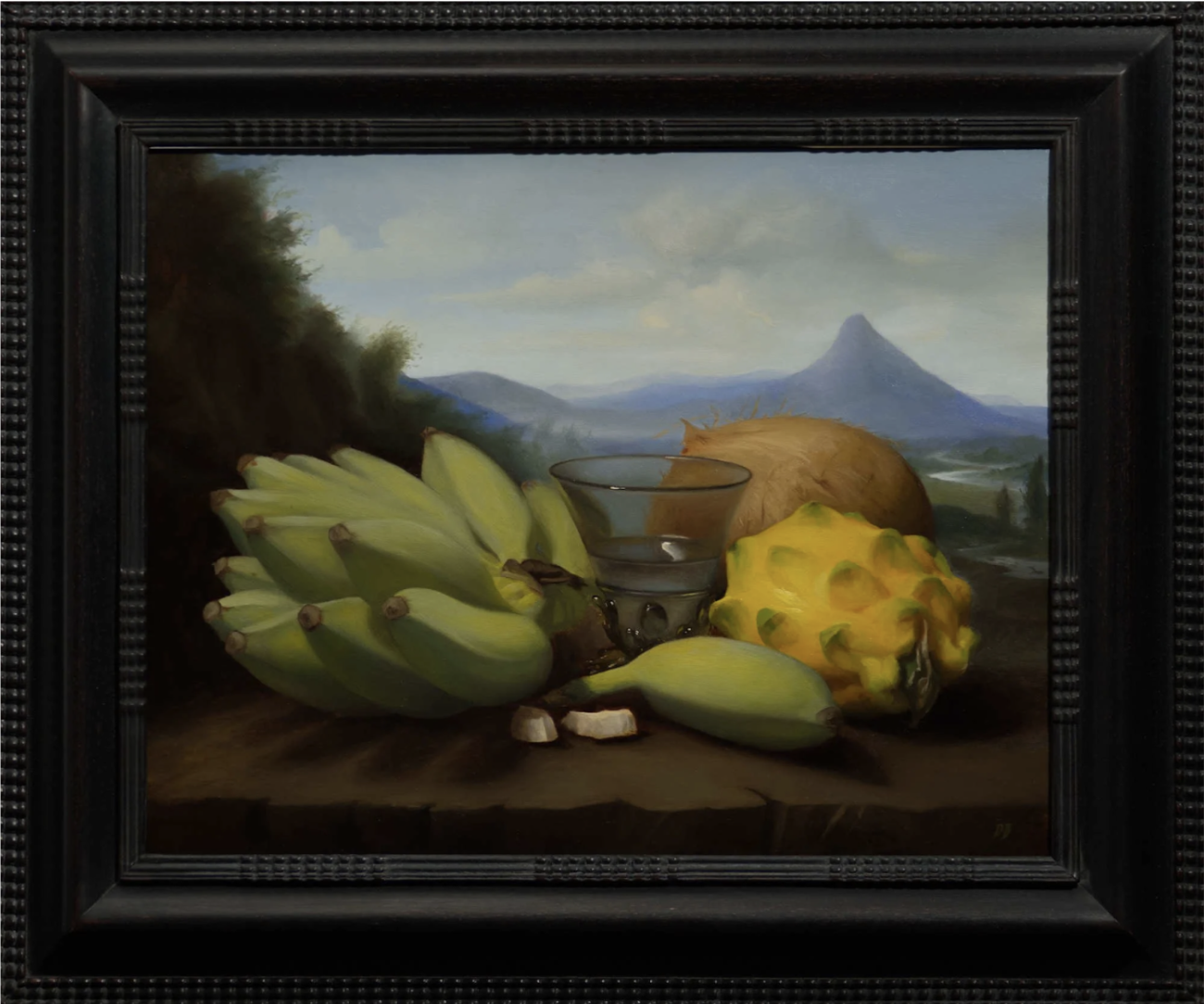
Figure 9: Dan Bunn, Thai bananas, dragonfruit, coconut, and Berkemeyer glass in a landscape, 2022, oil on board, 14 × 11 inches (35.56 × 27.94 cm). Photo: courtesy the artist © Dan Bunn
LX: I also like how you you included Berkemeyer glass in this Thai banana work. The landscape in this one reminds me of Venetian landscapes. Where are you drawing inspiration from when making these?
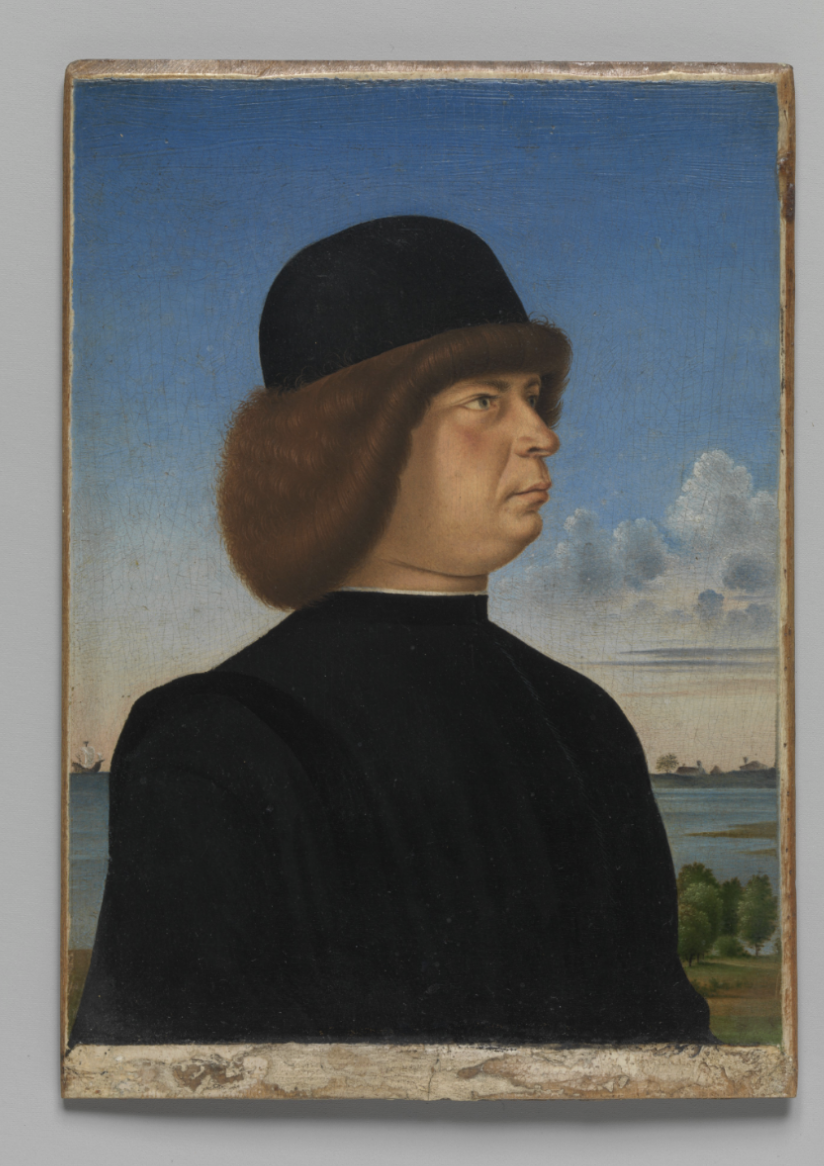
Figure 10: Jacometto Veneziano, Portrait of Alvise Contarini (?); verso A Tethered Roebuck, ca. 1485–95, oil on wood; verso: oil and gold on wood, overall 4.63 × 3.38 inches (11.76 × 8.59 cm); recto, painted surface 4.13 × 3.13 inches (10.49 × 7.95 cm); verso, painted surface 4.38 × 3.13 inches (11.13 × 7.95 cm). Robert Lehman Collection, 1975 (1975.1.86). Photo: courtesy Metropolitan Museum of Art
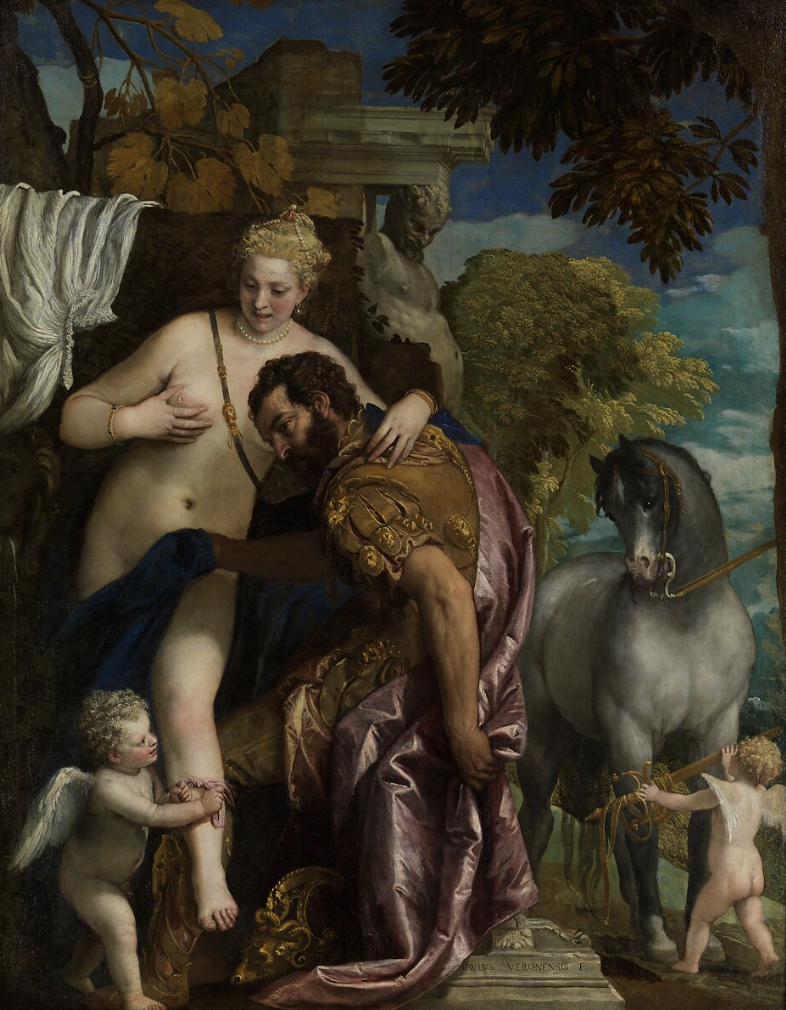
Figure 11: Paolo Veronese, Mars and Venus United by Love, 1570s, oil on canvas, 81 × 63.38 inches (205.7 × 161 cm), John Stewart Kennedy Fund, 1910 (10.189). Photo: courtesy Metropolitan Museum of Art
DB: Yes, I really enjoy that aesthetic and it totally draws upon Venetian or Lombard school portraits, with a theatrical arrangement between the subject and distant view. I love how Leonardo da Vinci and other Renaissance painters depicted blue atmospheric mountains and towns with castles and cathedrals on the horizon; it feels like a fairytale. I am also inspired by the Spanish painter Louis Mélendez who carried this style into the 18th century.
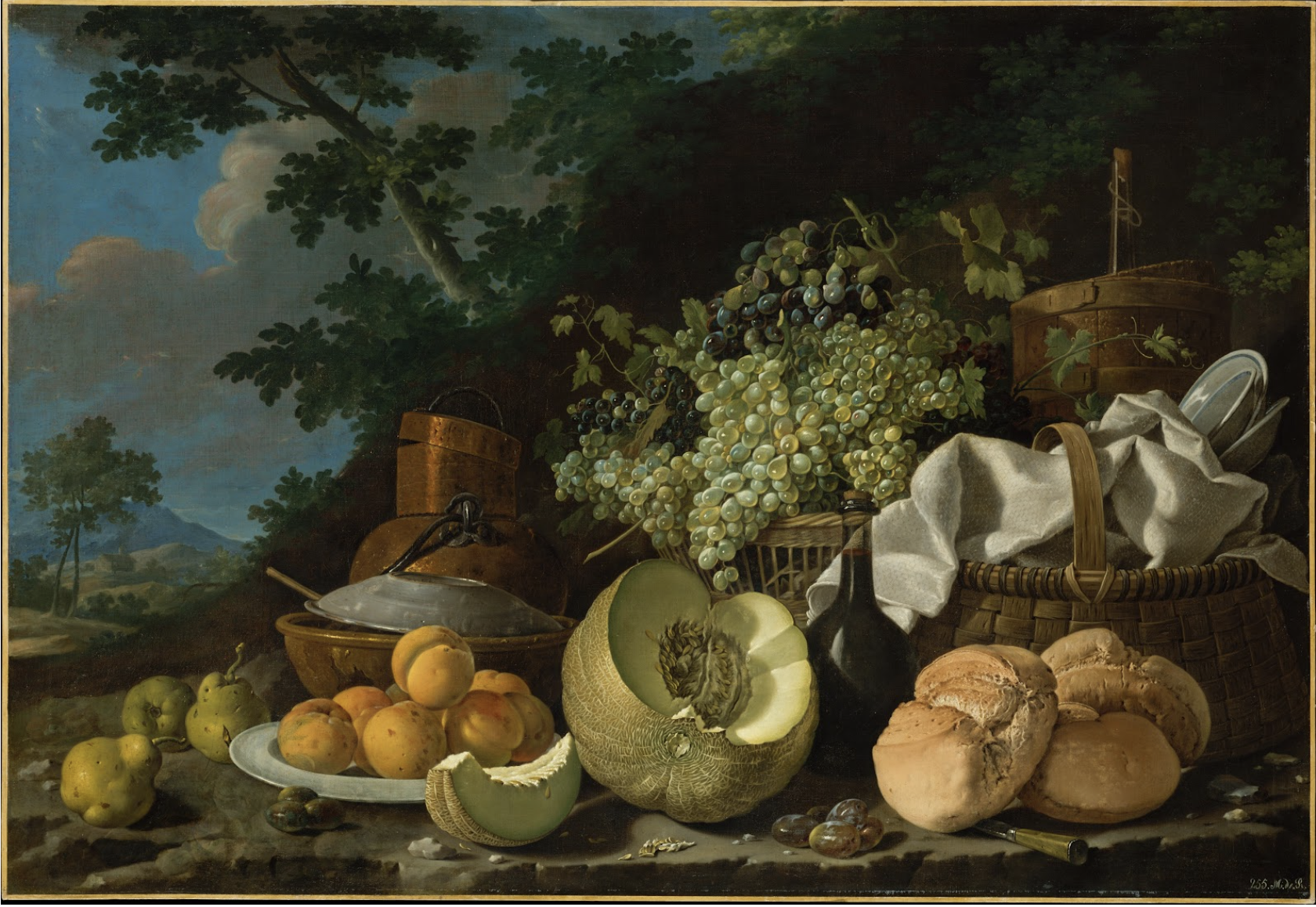
Figure 12: Louis Mélendez, The Afternoon Meal (La Merienda), ca. 1772, oil on canvas, 41.5 × 60.5 inches (105.4 × 153.7 cm). The Jack and Belle Linsky Collection, 1982 (1982.60.39). Photo: courtesy Metropolitan Museum of Art
LX: That's so cool. What about this Alien Fruit one with the snails? I like how you paint a lot of snails even in your recent work [laughs].

Figure 13: Dan Bunn, Alien Fruit, 2020, oil on canvas, 26 × 22 inches (66.04 × 55.88 cm). Photo: courtesy the artist © Dan Bunn
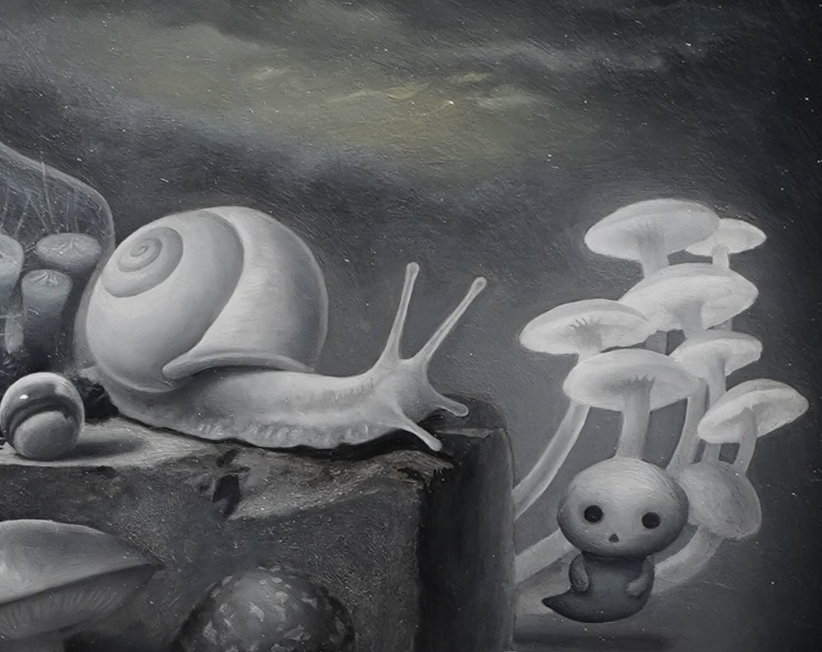
Figure 14: Dan Bunn, Lost Marble [detail], 2025, oil and flashe on panel, 12 × 12 inches (30.48 × 30.48 cm). Photo: courtesy the artist © Dan Bunn
DB: Oh, thanks. Yes I am trying to blur the real and imagined, even pulling from anime and other sources to go beyond European painting constructs, while attempting to maintain a high level of craftsmanship. It is an ongoing process. The bar for technical excellence set in the 17th century is so high, yet the present day has made huge advancements in narrative and color science, especially in cinema and animation. I always consider things like, “How does one make sense of this while working with an archaic medium? How does the art market impact a painting’s reception?” I’m increasingly trying to let go of outside voices and to materialize the amorphous visions in my mind.
LX: I'm seeing this little cascading river. What made you want to choose to put that lemon there on that edge? Also why is the cup tipped over in Summer Fruit?
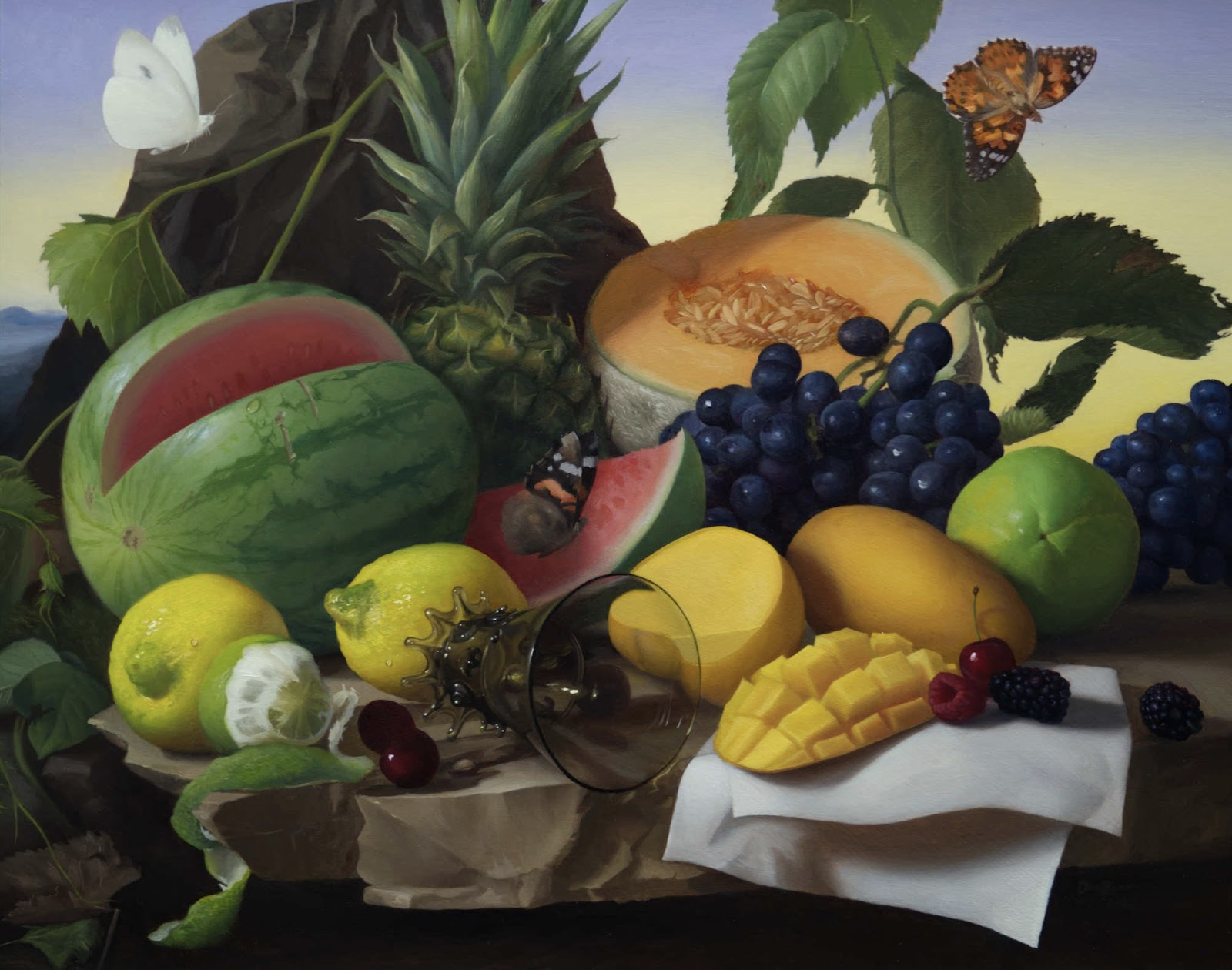
Figure 15: Dan Bunn, Summer Fruit, 2020, oil on board, 20 × 16 inches (50.8 × 40.64 cm). Photo: courtesy the artist © Dan Bunn
I am trying to blur the real and imagined, even pulling from anime and other sources to go beyond European painting constructs, while attempting to maintain a high level of craftsmanship.
DB: The lemon and tipped over Roemer glass are both references to still life tropes from the 1600s. It’s partially a test of skill to paint those items, and they speak to the fleeting nature of life. There’s a conflict between sincerity and irony in contemporary art and I wonder what it even means to make something meaningful in the present day. As culture and technology speed into the future with an increasing dependence on the uncharted territory of artificial intelligence, I wonder if postmodernism is being replaced by a new era.
LX: What’re your thoughts on AI in art?
DB: I gravitate more towards connecting with pre-modernist art traditions, than the dehumanization of AI. I know there’s a push to integrate with AI, yet I feel like technology could be better used in science and medicine. It feels anti-human to use it to replace human creativity. I’m still playing around with how the present day will enter my upcoming work. I’d like to make ecology and biodiversity a more intentional focus.
LX: That’s awesome. Can you tell me more about why you chose to include a pastry in this work?
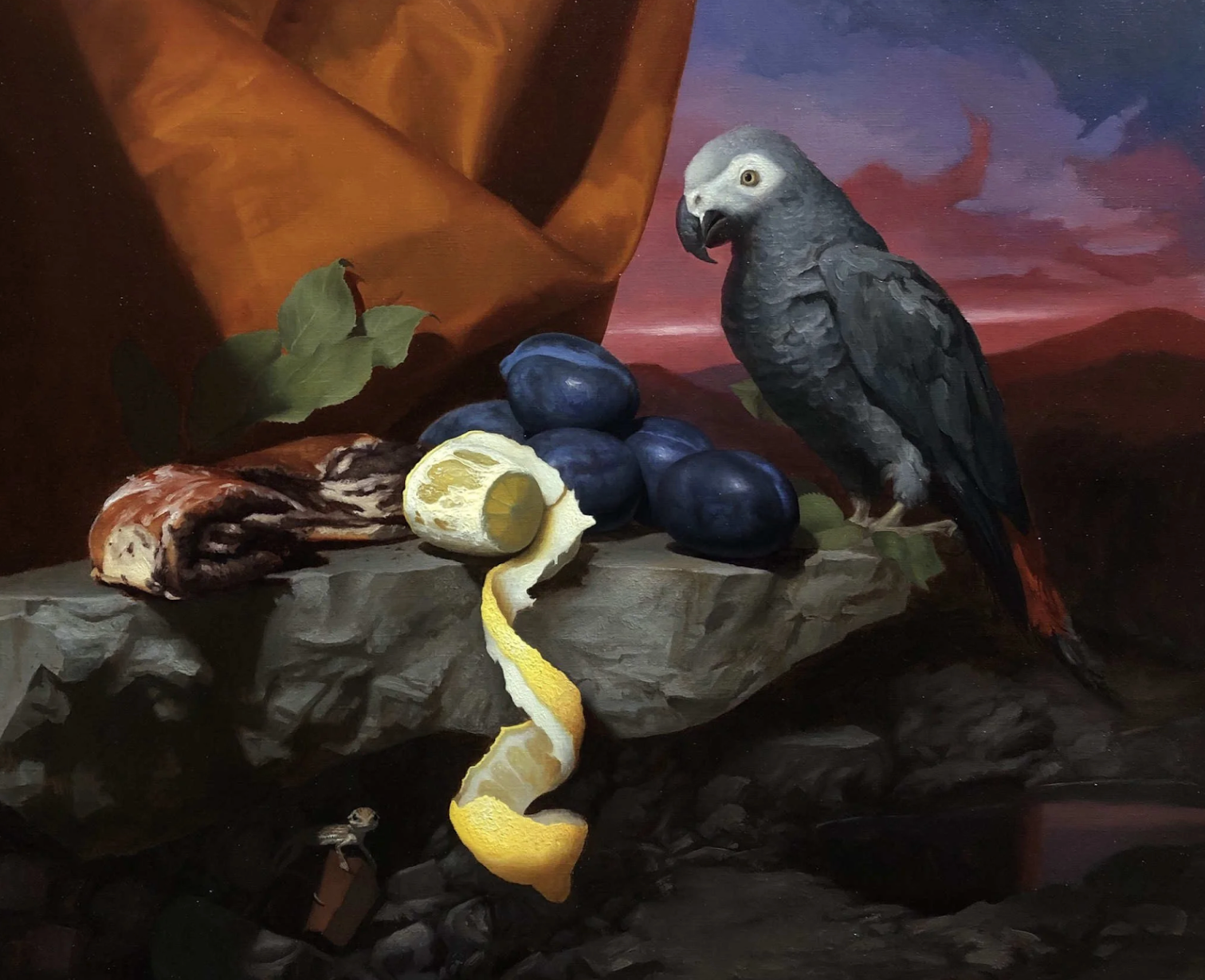
Figure 16: Dan Bunn, Parrot with fruit and a pastry, 2020, oil on linen, 22 × 18 inches (55.88 × 45.72 cm). Photo: courtesy the artist © Dan Bunn
DB: I really like that we have access to people and foods from all different cultures in New York City, so I try to include novel fruits or other items that speak to that. Those are some really tasty sesame danishes from Old Poland Bakery in Greenpoint. I’m now playing with integrating New York settings in the paintings, rather than just the item placed in this fantasy fabrication. We’ll see…but no promises…I just painted some pigeons pecking at some M&Ms on the sidewalk…[laughs].
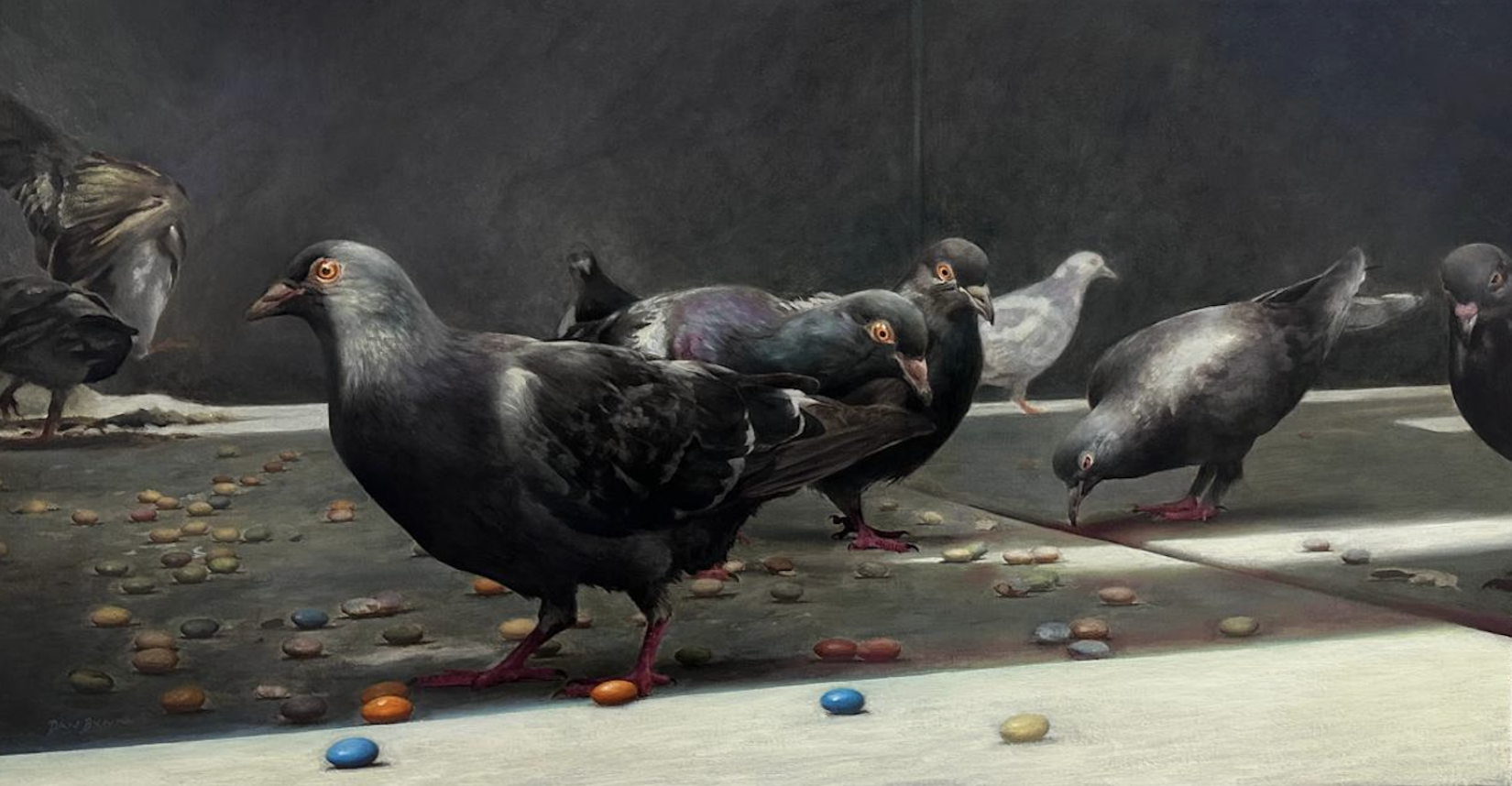
Figure 17: Dan Bunn, 86th Street, 2026, oil on linen, 30 × 16 inches (76.2 × 40.64 cm). Photo: courtesy the artist © Dan Bunn
LX: Nice, I love that. Who's the girl in Paprika?
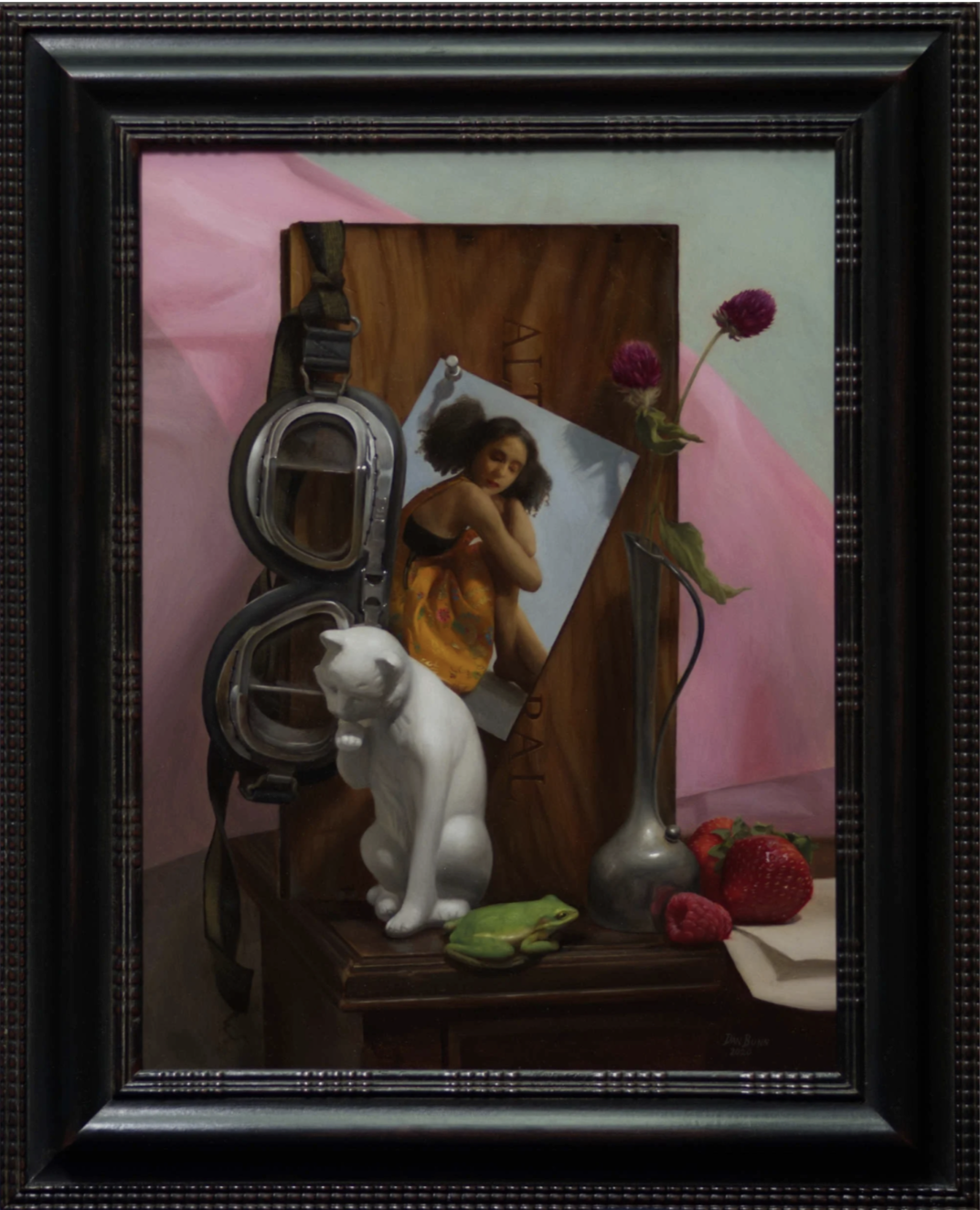
Figure 18: Dan Bunn, Paprika, oil on board, 2020, 16 × 12 inches (40.64 × 30.48 cm). Photo: courtesy the artist
DB: Oh my. Paprika is this anime by Satoshi Khan, and it's one of the coolest films I've seen, and I wanted to make something about it. I think I did it in such a subtle way that nobody even noticed. The film helped inspire Inception, and it's about this person who makes a device that hacks into other people’s dreams. There's a dark whimsical frog parade thing with all these critters and other characters dancing through the sky. That was partly why I put the frog, and the main character is a girl named Paprika. The photo of the girl references her. I would like to make the overall concept easier for people to understand… for instance, if I made 10 still lifes inspired by 10 films. Maybe finding some level of maturity as an artist is to think of things in terms of bodies of work…almost like an album…though I do find that allowing for exploratory pieces fuels overall growth.
LX: I like the parallel between the girl and the cat. It pairs nicely compositionally.
DB: Thanks so much. As I was setting this one up, I didn’t have the cat yet, and I felt it was missing something. I was on a long walk and wandered down a side street, where I passed a couple having a sidewalk sale. They said they’re moving to Bermuda next week, and sold me the cats as half of a pair of bookends for like $2. The absurdism and coincidence fit perfectly with what I was going for in the painting.
LX: There’s nothing better than a random yard sale in New York. I’m really intrigued by your Momento Mori series and how you acquire these accoutrements. What's this vanitas image with the finger? Do you just find these things and add them to your personal collection?
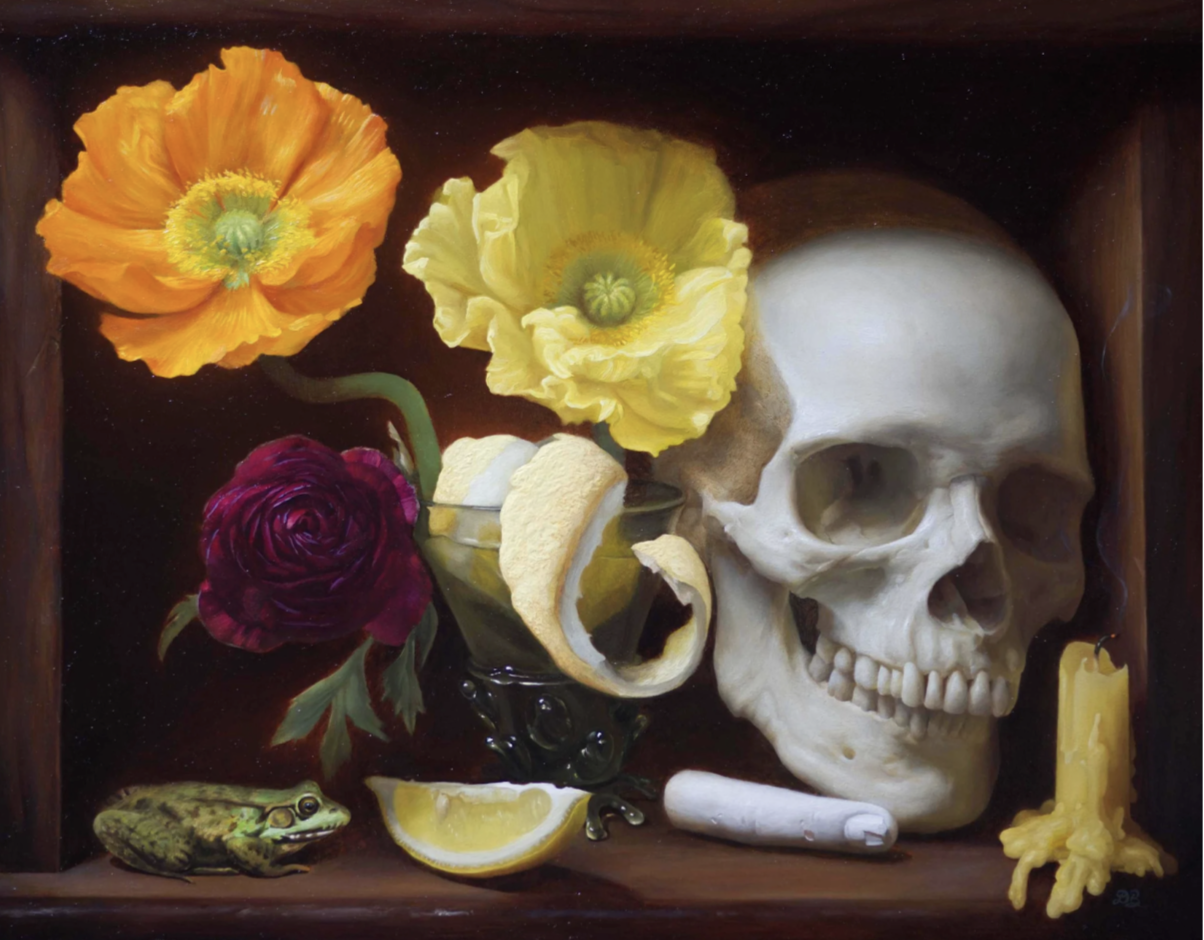
Figure 19: Dan Bunn, Vanitas, 2022, oil on board, 14 × 11 inches (35.56 × 27.94 cm). Photo: courtesy the artist
DB: Kind of, yeah? One of the issues when you're painting from life is that you only have so much time with them, and they can only sit for so long. I came up with the solution that I could life-cast their hands, and then I could paint the hands using the cast later. I did a portrait from life, but then I painted the hands conceptually, referencing the cast for form information and inventing the colors. I have a stash of several plaster hands, from other models who agreed to do life castings. Sometimes they break as the plaster is brittle. Gradually I’ve built up a collection of odd items, and when I was pondering what to add to the painting, I included the finger because it seemed funny and mysterious.
LX: I also like that you made it a chipped finger and that the orientation of the frog and skull are “pointing” to the blown-out candle and trail of smoke.
DB: Wow thanks. Yes, some of it is not for everyone. The Momento Mori paintings are all about historic clichés…the passage of time, and fragility of life and such. The extinguished candle is a consideration of life and death. I want some paintings to be about “making a peaceful presence,” and others are more of a drum solo for no reason.
LX: What about memento mori themes resonates with you?
DB: The exceptional detail, and the fact that it's ominous and existential. You have to just accept mortality and live your life. I think that art of the past tends to resonate globally, because it touches on universal truths of the human experience. In modern and postmodern art, the goal is to break apart tradition and to disassociate yourself from the past, or cherry pick certain aspects of the past and fetishize it. It’s a totally different quest to try to participate in a previous paradigm that was nearly snuffed out.
LX: You’re taking a modern spin on it. It’s distinctive.
You have to just accept mortality and live your life.
DB: Thanks! I guess I also seek to merge past aesthetics with my own life, so even though the painting might look like it’s from another time, the bread is from the bakery down the street, or the objects I collect are from specific encounters.
LX: Totally. What are you trying to conjure in your fantastical paintings?
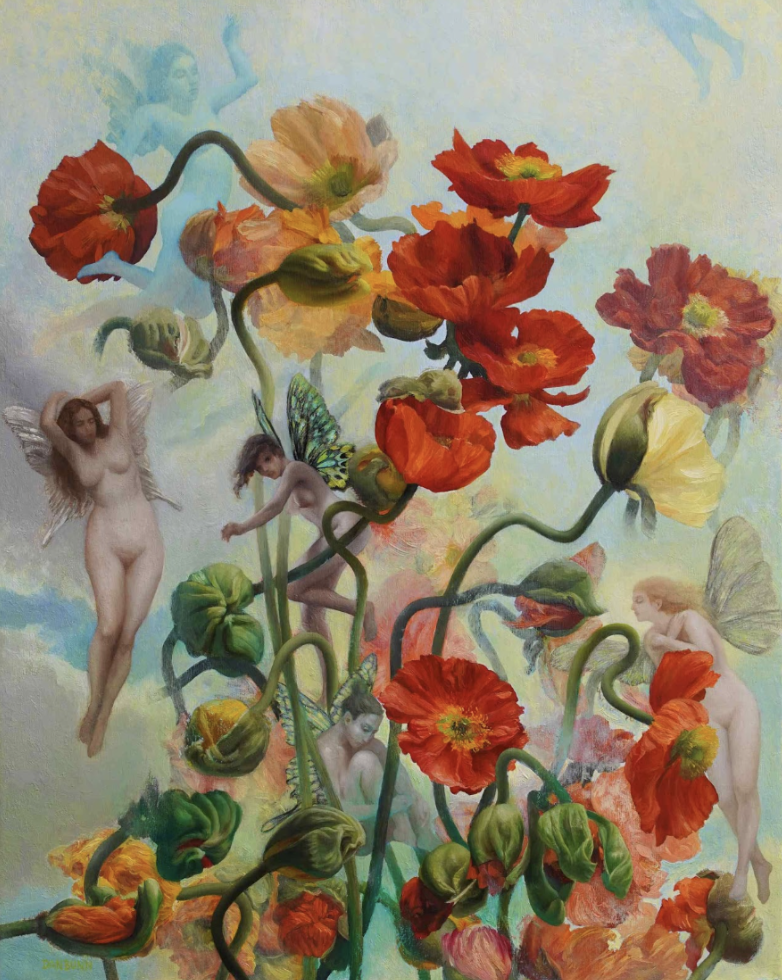
Figure 20: Dan Bunn, Aether, oil on linen, 26 × 21 inches (66.04 × 53.34 cm). Photo: courtesy the artist © Dan Bunn
DB: I'm still working that out. I often connect different paintings with a particular song or album, so for Aether, I was listening to Bjork's song “Earth Intruders” on repeat. I wanted the fairies to have an ambiguous energy, where they might be a bit mischievous or trickster-y, and I think Bjork embodies that unpredictability.
LX: I’ll send you a video of her deconstructing a CRT TV later that springs to mind. [Laughter]
DB: Oh my God, okay, I want to see that. She's rad.
LX: Nice. If you could live in another century, when would you live? Would you still be an artist or if you didn't need to be an artist, what would you be doing?
DB: Oh, my, yeeees. How long would this be for?
LX: Only for six days.
DB: Easy. Six days in the Jurassic as a dimorphodon.
LX: Wait, what is that? [laughter]
DB: I would be a bird in dinosaur times. Those ones seem sick. I think it’s a carnivore…uh-oh! [Laughter] They’re the survivors, they could just dip out if they get attacked. Being a dinosaur bird would be the best [laughs].
LX: Oh my gosh…
DB: Because I don’t want to go back to year one [laughs].
LX: If you could collect anything fun, either an object or an art piece from the past, what would you collect?
DB: Maybe like some crazy goblin sculpture or something, like a gargoyle! Or I want a Roman mosaic. A couple of years ago, I went down a rabbit hole researching ancient subject matter to better understand why certain themes keep popping up in visual culture, and others disappear. There’s a famous Roman mosaic of a basket of figs which really spoke to me. It felt like an artistic bridge to another time, while also connecting with interior design aesthetics of the present day. I recently did a painting commission of a plate of figs that was inspired by mosaics and minimalist architecture. It’s like the light at the end of the tunnel when people catch a tiny glimpse of something valuable in what you’re doing.
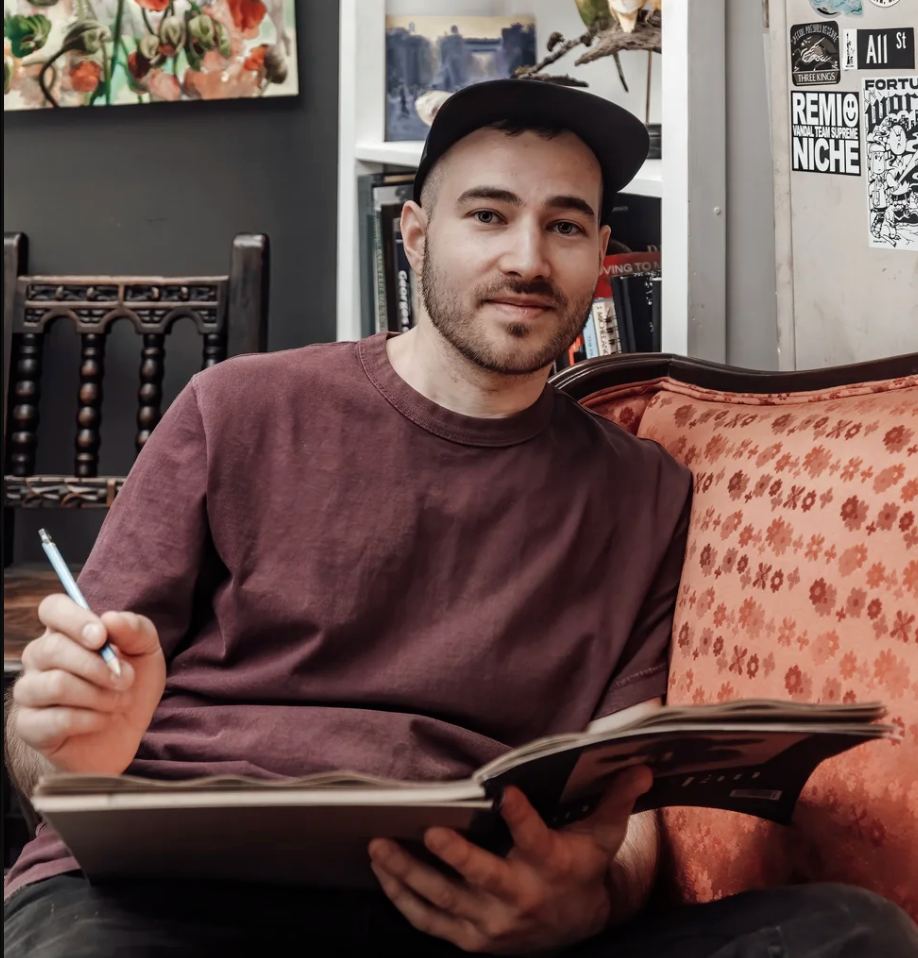
Photo: courtesy the artist and Jinnifer Douglass
Dan Bunn
Dan Bunn (b. 1991, Madison, WI) is an artist based in Brooklyn. He has been painting since he was a child in southern Wisconsin. In 2014 he received a BFA from California College of the Arts and in 2020 a certificate from Grand Central Atelier in Queens. His work has been collected and exhibited nationally and internationally.
Website: https://www.danbunnstudio.com/
Instagram: https://www.instagram.com/danbunnart/?hl=en