

Temporary Blindness: In Conversation with Vani Bhushan
Photographer Vani Bhushan stages encounters with Indian law enforcement officials and varied terrains, pushing the boundaries of “witnessing” through her lens. Lara Xenia speaks with Bhushan about her methodology, affection for cinema and photojournalism, and travels through India.
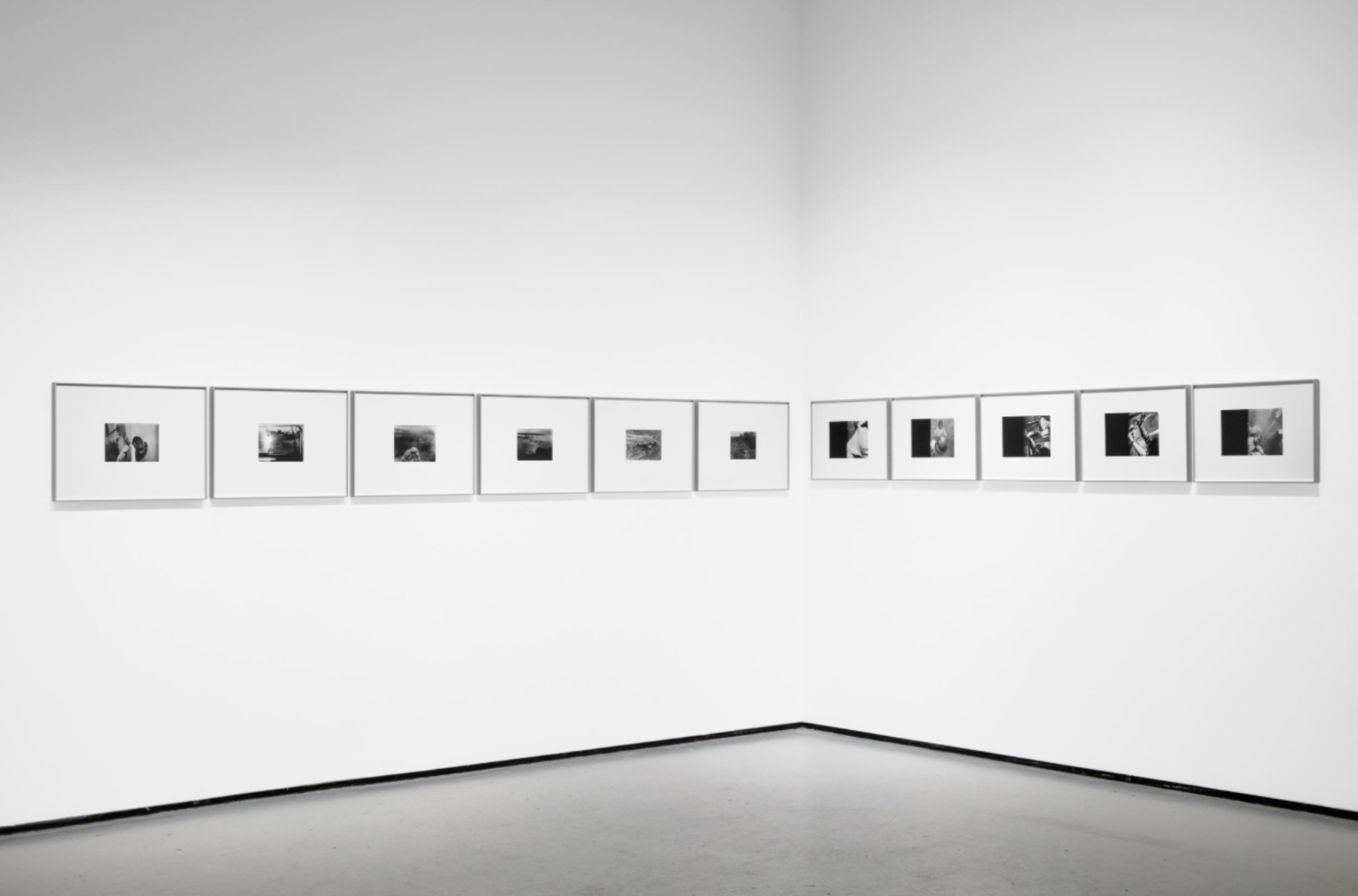
Figure 1: Installation shot of MFA Thesis, Yale University, New Haven, CT, 2025. Photo: courtesy the artist © Vani Bhushan
LX: Is photography an intimate experience for you?
VB: My most successful photographs have an understanding of a person who has sat with pain. Eileen Myles describes a core feeling of “deep discomfort” with being in the world, which is what I draw upon in my practice. I hope that that’s conveyed within the image. The hardest thing about the photograph is that it stops where the frame stops.
LX: I loved the cinematic image, with the fog and police running towards the camera. It looks like someone coming out of a Nolan shot.
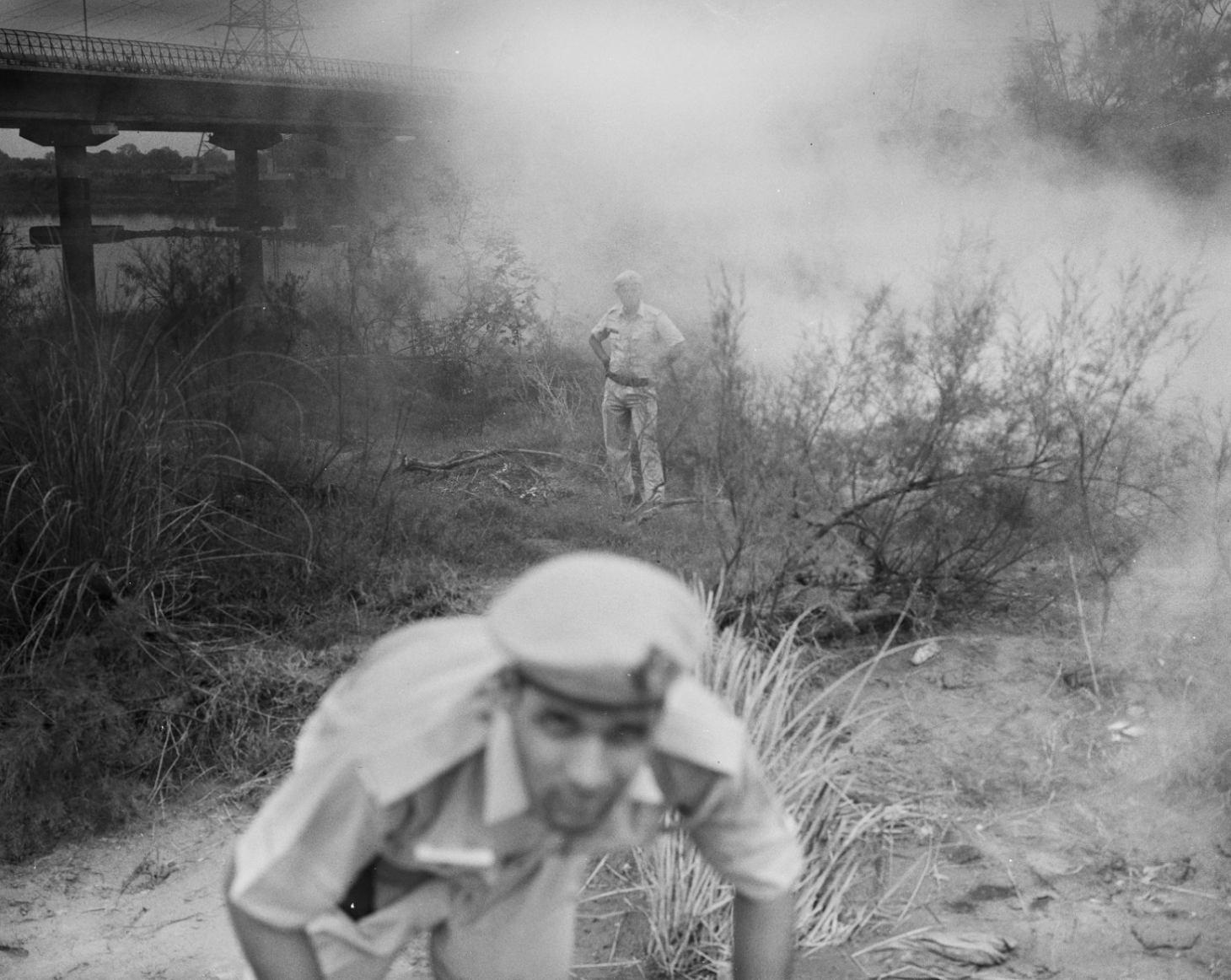
Figure 2: Vani Bhushan, Untitled, 2024. Photo: courtesy the artist © Vani Bhushan
VB:. I got inspired by Chris Marker’s La Jetée and Sans Soleil. I recall writing about the limitations of photojournalism at that time, and thinking about how images can start to feel like something you have already seen. None of these photographs were conventionally planned. I made these with a 35, a quick, on-the-go lens. The 35 lets you embody the role you’re playing: you’re inside the picture. I was working with a camera, an actor, and an unpredictable landscape, and often had to ask permission for everything.
For this series, I ended up bribing the police with Yale’s travel grant money since having actors in police uniforms was obviously illegal. This image matters to me because it acknowledges my presence. I call it “the moment before my camera is taken away” because that’s what it would have been. It’s a photograph I will never actually have. By enacting photojournalists, I’m trying to point to the absence of women in that space and how the burden of representation shifts when the work begins with me. When I made this, I didn't know what I was making, but I went with it.
LX: That’s amazing. I was taken aback when you mentioned to me that the bridge photograph you took was inspired by negligible journalism about migrant workers. How did this photograph come about?
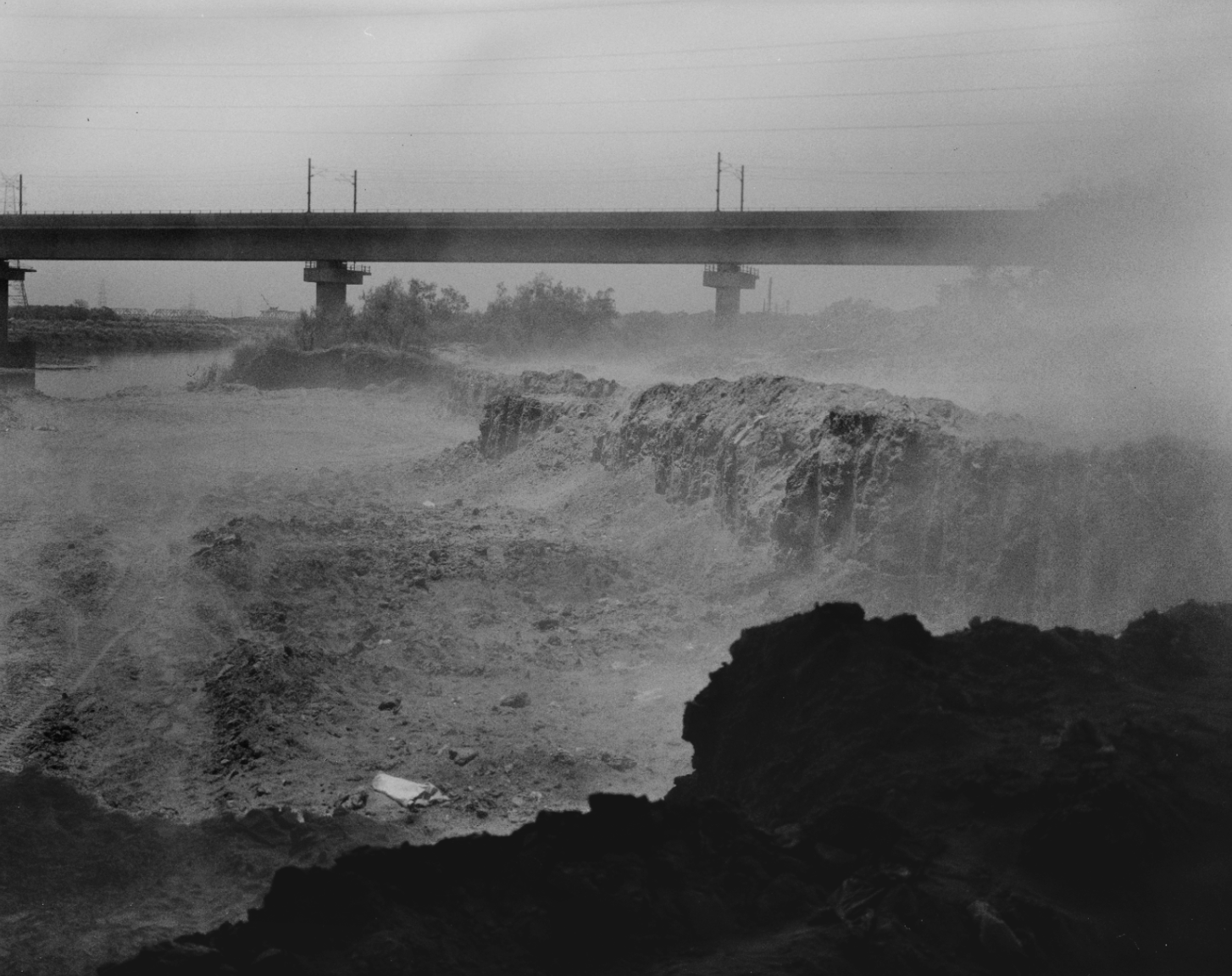
Figure 3: Vani Bhushan, Untitled, 2024. Photo: courtesy the artist © Vani Bhushan
VB: Yes. Last summer, during a brutal heat wave, it was between 107–112 degrees for a full month. It was horrendous; a lot of people passed away. BBC, CNN, and others ran the same story using one photo of this bridge from 2022. Migrants who come to Delhi for daily work sleep under it because they have nowhere else to go. The photo gave no context for the situation and just said something vague like “bridge under Delhi." It didn’t even mention that it was in East Delhi.

Figure 4: Bridge in East Delhi, 2022. Photo: courtesy Manish Swarup/Associated Press
I had to know where this picture was. I spent three days going to every bridge in Delhi. I always have to choose spots where I won’t be discovered and can move freely, which I can’t do in the police uniform. It is so important that the landscape I choose is a political landscape. It was still 112 degrees, and I was driving from bridge to bridge, like a crazy person, determined to find it. When I finally did, it was inaccessible from the park. I don’t even know how I reached it. There were no indicators or markers at all.
LX: How did you achieve that? Did you kick dust in the air or add any special effects?
VB: Yes, it’s dust. I waited because it was so hot, so I just photographed it in the heat and waited for it to happen. I was dying of heat. I was covered and had sand coming out of everything. Especially with the 4-by-5, you don't know what you're shooting; you insert the film, focus, and walk away. You don't know what you're photographing. I wrote about this “temporary blindness”, which is really exciting for this work. That's true even for shooting with a 35 for the pictures on the right because I can never know what the photographs look like.
I spent three days going to every bridge in Delhi. It is so important that the landscape I choose is a political landscape.
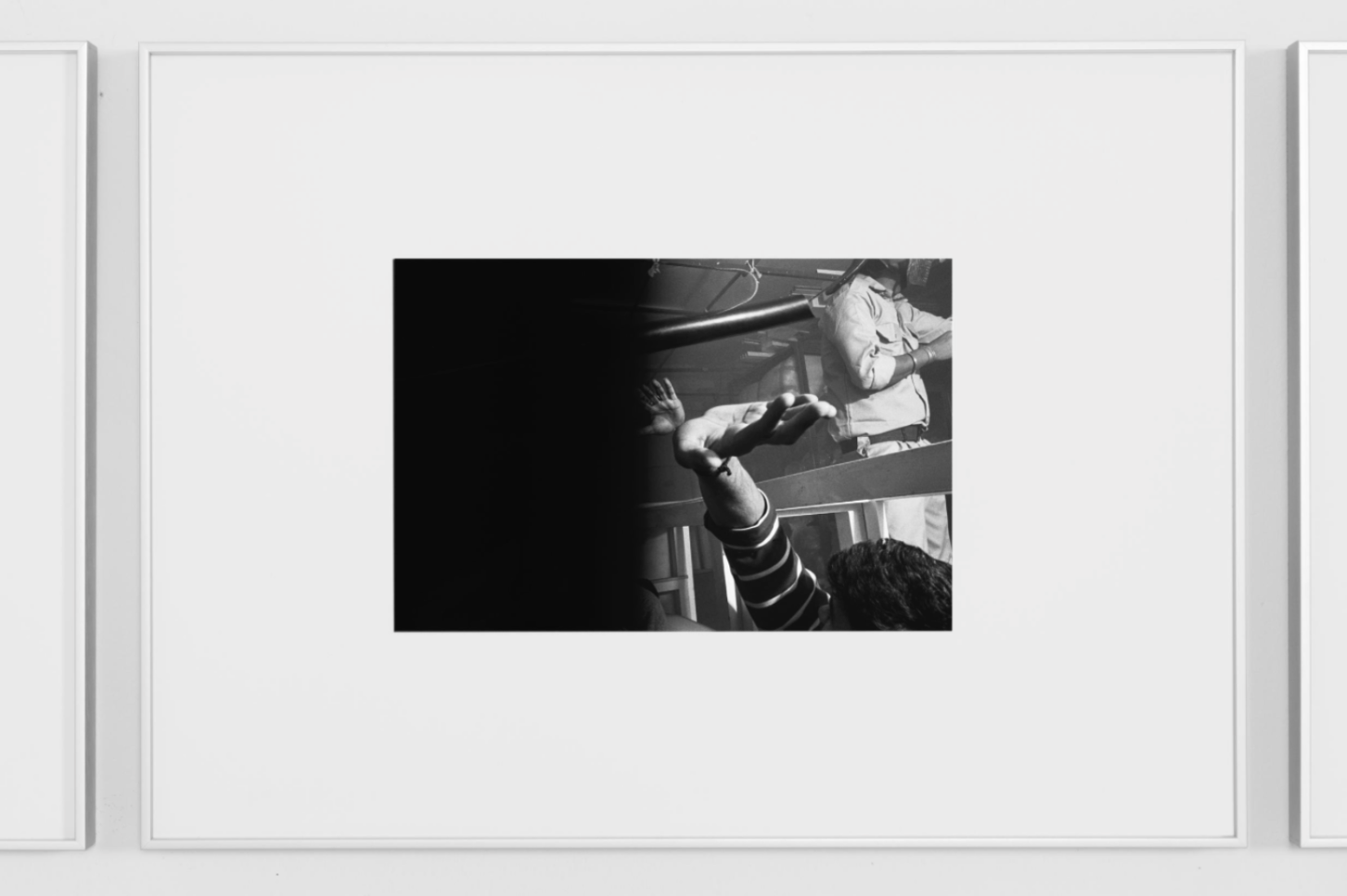
Figure 5: Vani Bhushan, Waiting on Images that Won’t Appear, 2025. Photo: courtesy the artist © Vani Bhushan
When I think of contemporary photography from India, I often think of 2019 because there were protests. The farmer’s protest was happening, and the NRC and so much movement required so much imagery. That imagery is probably not going to leave any of us anytime soon…it always stays cemented in the back of our heads like memory banks. There was also a plane crash that recently happened in Gujarat, which generated a lot of press. These images can be of so many moments and different things. Photography can limit you when you pinpoint it to one exact thing, but it is also cannot be free of that moment. My work is so much about photography itself.
LX: It seems that a lot of your practice is research-based. Could you tell me about how and why you acquired this archival photograph of a sinking bus and why you engage with archives?
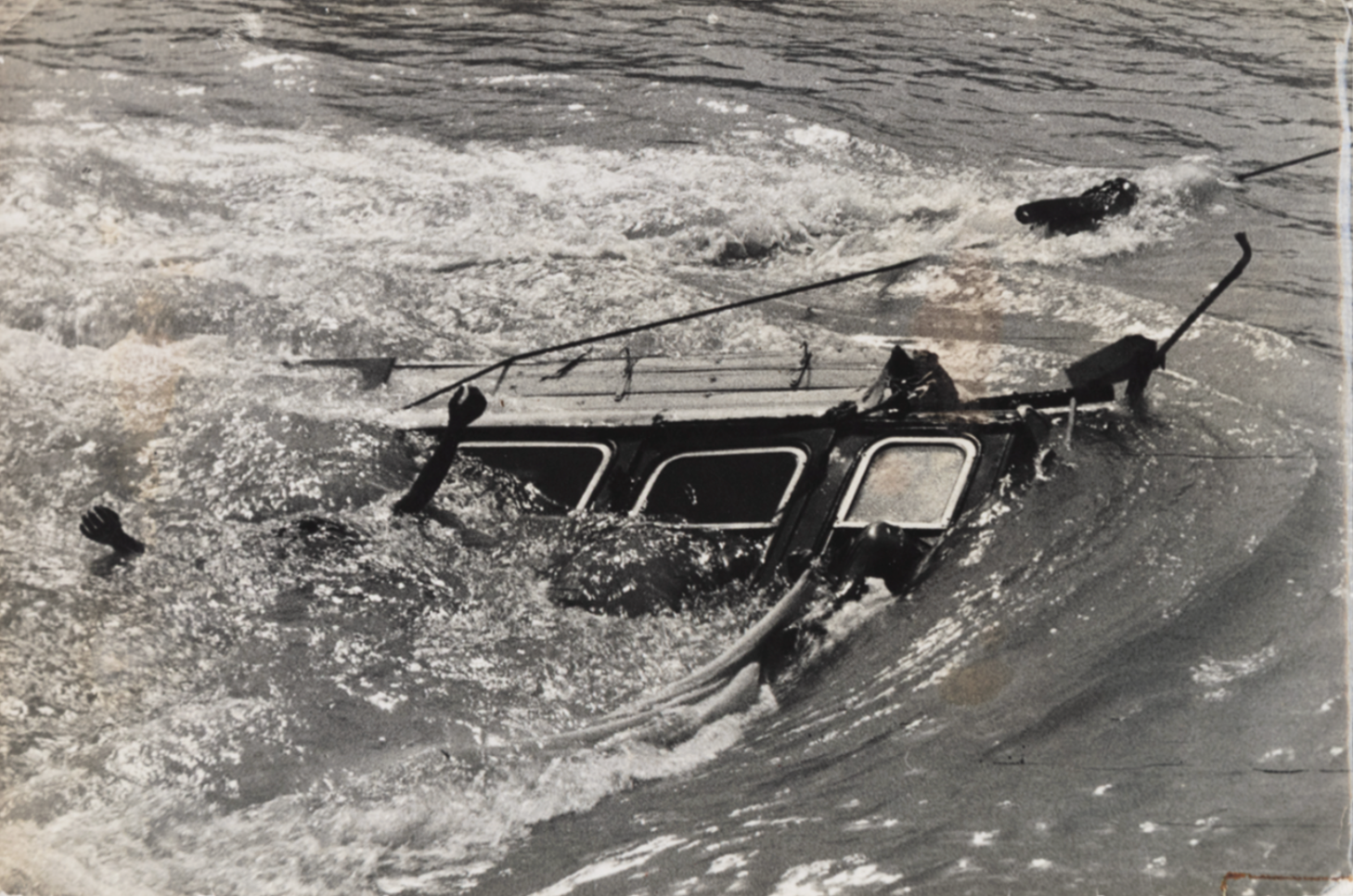
Figure 6: Unknown photographer, Archival Image, 2024. Photo: courtesy the artist
VB: Yes, it’s heavily research-based, so I begin from research and reading a lot. I also write a lot about dealing with photography and its limitations in expressing things means confronting what it can and cannot say, in terms of the burden of representation. A wider world opens up when you play with the medium without rules. Throughout my practice, I am trying to turn photography on its own head in my practice.
For the archival works, I tried to access the Archive of Independent Nation Building in New Delhi, founded after India's Independence in 1947, but they wouldn’t let me in. So I went to the black market in Mumbai that’s colloquially called “thieves market” or Chor Bazaar. It’s an essential market where people once sold stolen goods. I went one summer because Mumbai is known as “film city” and has the best furniture and set decor. I have no idea about the origin of these objects. They have stamps and littles notes on the back, and some are stamped with “Blitz Art Department,” which might mean they were borrowed for a film set and returned to the market. I collaborated with Yale’s Lens Media Lab at the Peabody Conservation Center that was run by paper conservator Paul Messier while I was working on this project.
[Points] This is just one archival photograph, but it happens to be the first one that I found. I began moving beyond the “realist” approach other photographers embrace for this. It makes sense to document a sinking bus, but the beauty in that moment often gets lost, as there are many components for how this image might’ve been made. I’m not a photojournalist, so I was trying to emulate and mimic that genre and my distance from the event enabled me to experiment with it.

Figure 7: Weegee, Złoczów [Outline of a Murder Victim], 1942, gelatin silver print, 13 3/6 x 10 13/16 inches (33.9 x 27.4 cm). Gift of Bruce A. Kirstein, in memory of Marc S. Kirstein, 1978, Metropolitan Museum of Art, New York (1978.616.6) © Weegee/International Center of Photography
I was also reading a lot of Weegee’s writings at the time. He made them as a working practitioner, sold images to newspapers for income and often wrote about his “modes of making,” tapping into police radios and arriving at crime scenes before the police. If an image was too grotesque, or too close to the subject, the paper wouldn’t buy it, especially in the case of murders, which he was known for photographing. He had to adapt his methods depending on where the photo would end up. Photojournalism, unlike most other forms of photography, comes with an inscribed audience. From Weegee’s notes, he would get close to bodies or victims for his own record but shoot from farther away when he hoped to sell it. Sometimes you wouldn’t even see the body, just the surrounding scene. That’s what the archive revealed to me: the images I found were likely the ones rejected by newspapers because they were either too much or too little.
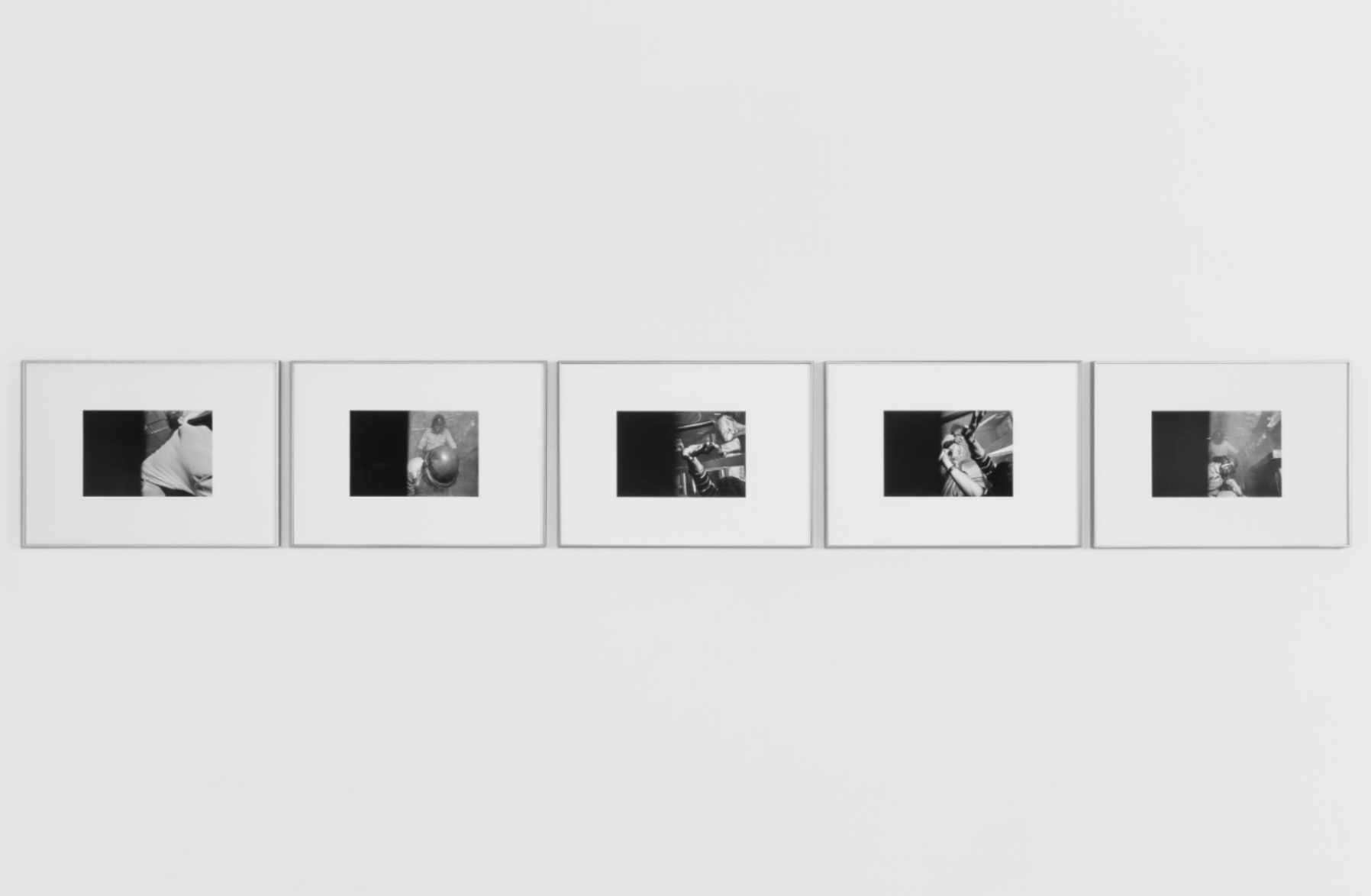
Figure 8: Vani Bhushan, Installation view of MFA thesis, 2025. Photo: courtesy the artist © Vani Bhushan
Even with the dust and the sand, my negative was a mess because dust was creeping in everywhere. A lot of these negatives are probably some of the worst negatives I've made because of the humidity. Temperature fluctuations are not good for film.
LX: I’m shocked by that. When I first viewed these in the gallery, I thought the black “margins” were intricately added to the composition because of their fading layers. Was that deliberate or just a result of the temperature?
VB: Oh interesting, that’s the result of me navigating between two different cameras. For the images with the black, I use a 4-by-5, which always requires a tripod. You have to focus, wait, and pause. The 4-by-5, on the other hand, gives you distance and a bit of separation. With the 4-by-5, you load films into the film backs, so you reload it. I carried a tent with me, which is where I’d reload during these dust storms. I think the most exciting part for me is the uncertainty of never knowing what it's going to look like. I also cannot develop films in India, so I have to wait until I get back to America, to then know what these look like, which is what happened with the 4-by-5 ones with the shutter drag.
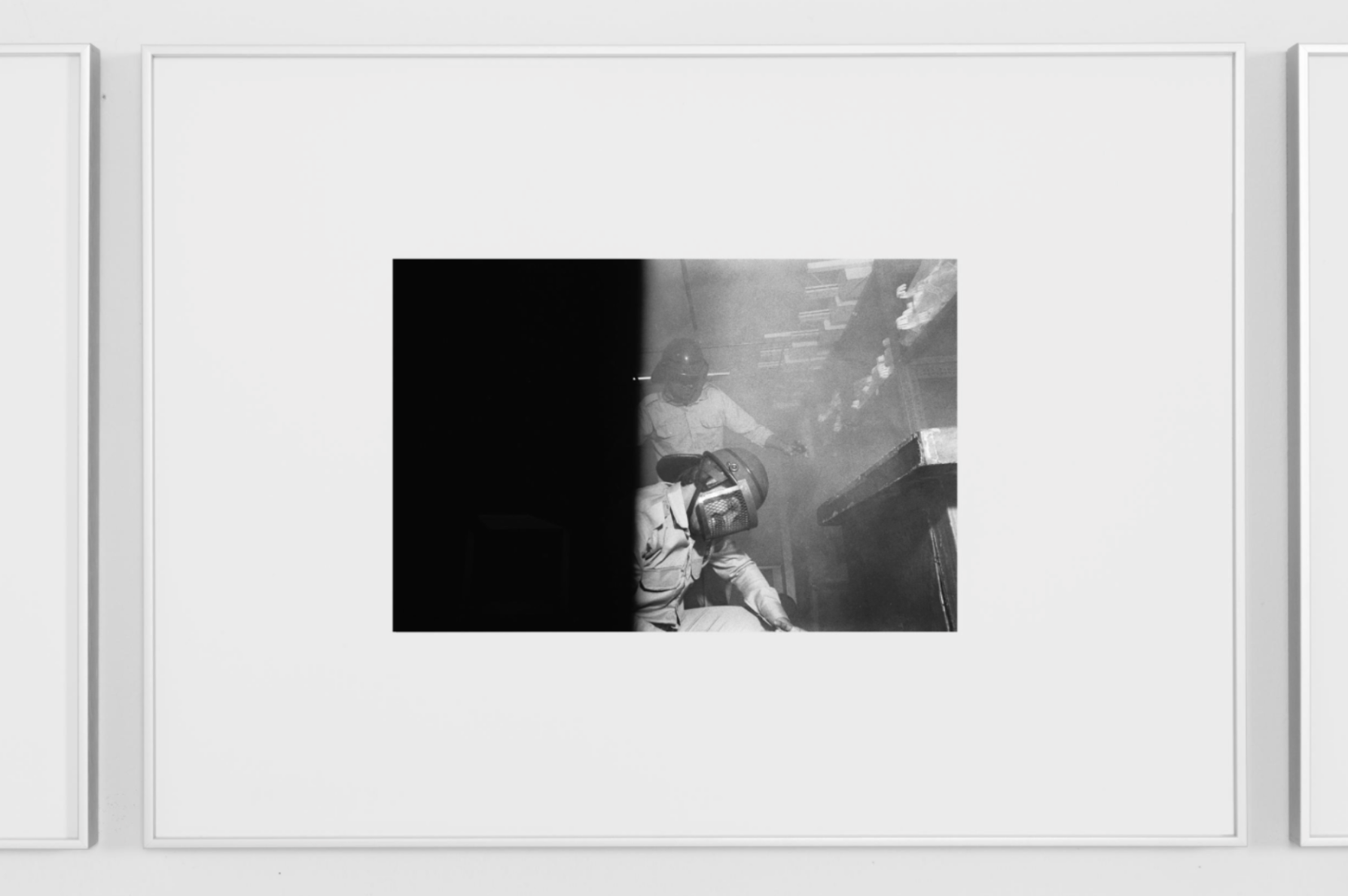
Figure 9: Vani Bhushan, Waiting on Images That Won’t Appear, 2025. Photo: courtesy the artist © Vani Bhushan
I couldn’t have processed these earlier because I had to go to America. I still remember pulling them out and thinking, “What am I going to do?” It was one of my last days in India, and I hadn’t scanned them yet. It had been two intense weeks with the same actors, and none of the photographs moved me. That’s what it takes to make something convincing: not repetition, but a slow process of learning to understand one another. When I developed the images, I panicked. I thought, “This was supposed to be the best. What now?” But after scanning, I realized I could never have made them on purpose. If I’d had a darkroom, I would have developed them that day, dismissed them, and started over. The limitation I once resented made something I couldn’t have otherwise.
LX: I really love that. That’s one of the reasons I was so captivated when I stood in front of your work. I stared intently at every single one. In some of the images, certain fixtures appeared almost like deliberate erasures. The way you captured the light on that hand, set against the strangeness of the factory-like space, created a palpable moment of resistance that was also difficult to decipher. I found myself wondering, “Are they in pain, or are they in dialogue with the person harassing them?” It really stayed with me.
That’s what it takes to make something convincing: not repetition, but a slow process of learning to understand one another.
VB: I could never have conceived or imagined these. I also can't remake these. You can reprint a photograph again and again, and that is why they're not one-of-one. Yet, in the making of these, I cannot in any way remake them because I have no idea how to. That is so exciting for me to just never know what I will do. I went back with the 4-by-5. I think it's practically impossible to remake a photograph. They require more stillness and waiting with these again. Those are the 4-by-5 and then letting go. These ones are a complete letting go. I don't know of another staged work that is such a complete letting go.
LX: How and why did you stage it this way?
VB: Shooting exteriors in winter became difficult. The cold, the pollution, and constant trouble with the actors made everything harder. The haze was so dense it nearly erased the landscape, a sharp contrast to the sun-drenched summer images. Working outdoors with more than two actors was especially challenging. This series involved six or seven people in the 35 millimeter shots.
I shot this with two rolls, so about seventy photographs. By then, I’d been working with the actors for two or three weeks. The most interesting part is that I have to speak two languages to make the work. Most of the actors only speak Hindi, but I always speak about photography in English. The performance itself is only possible in a mix of Hindi and Urdu, the language most commonly spoken in Delhi. It’s so expressive that it’s hard to translate certain emotions or concepts for an English-speaking audience. They embody their characters through that language. All of them have, in some way, experienced encounters with the police.
LX: How did you even find people? Had the police targeted them before? Did you do a casting call?
VB: I put out a casting call, but it wasn’t successful. I was walking on GB road, the red light district equivalent in Delhi, hoping to find something. The only women there are those who live or work there, are with an NGO, or are filming. A random guy came up to me and asked, “Are you making a film?” I had a small GoPro hidden, since showing it could get me into a lot of trouble. I didn’t know who he was, so I lied and said, “I’m just a student. I’m doing research. Just walking and learning.” It turns out he was an actor. The area was cautioned against, which is why some people go there to see what’s happening. It’s actually an intense place of learning. The streets shift instantly. I decided to take a chance and text the actor later, and we’ve worked together ever since. This violence is embedded in how you’re positioned within it.
LX: I’m curious about how your perception of the actors changed over those two weeks. It’s cool to watch their personas shift in real time, even as they act.

Figure 10: Vani Bhushan, Waiting on Images That Won’t Appear, 2025. Photo: courtesy the artist © Vani Bhushan
VB: Masculinity is prominent in this work. When the actors put on the uniform, they transform and embody a hypermasculine authority. No other costume would have the same effect. They gather, step into character, and stay there for hours, and speak to each other only as those characters. Watching it is extraordinary because a full performance unfolds before you, even as you remain outside of it. Photography brings you into close proximity with that fiction, and demands that you believe in it too if you want to make an image with substance. In those moments, I was struck, literally and figuratively, again and again. I was right in the middle of it with them. While they were grabbing and pushing, I relied on the camera because that’s what I know. No one was actually hitting anyone, but there was real contact, like grabbing collars and holding bodies, and people were screaming at full volume. They are actors, so they know how to make it look real, whether it is a fake punch or a real pull.
Watching it is extraordinary because a full performance unfolds before you, even as you remain outside of it.
The only instructions I gave were, “Do not stop.” If someone pulls your hair, your hair actually gets pulled, but you stay in character. If a stick hits you, you keep going. It’s about maintaining that intensity and living in the moment for the entire two hours. It's really hard because it's not the thing, but it really feels like it is; you have to embody it until it becomes real. I didn’t stop out of exhaustion; your body forgets that in the moment. What's hard is the truth itself…you’re holding something up to it. I haven’t resolved my relationship with the camera; at that moment, it feels baseless, and I don’t quite know what’s unfolding in front of me. When they act, the geniuses that they are, they truly embody it. Watching them become its own kind of embodiment was the moments and glimpses of reality that were the most terrifying. I’m scared of the police, and so are many women. I say this with love, but people say you’re in control as a photographer, but that’s not always true. You’re watching something unfold, created by these six men.
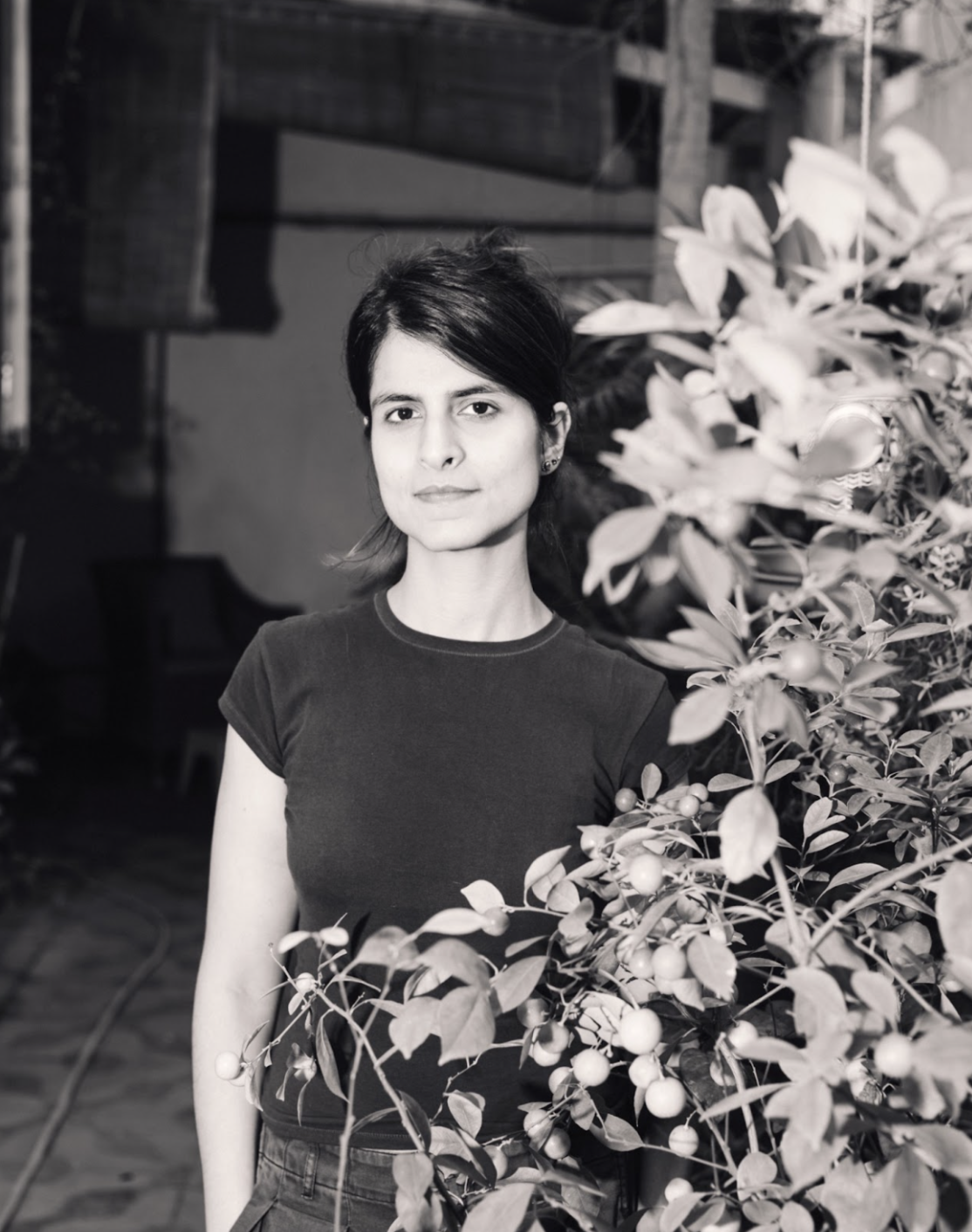
Vani Bhushan
︎Vani Bhushan (b. 1998, New Delhi) is an Indian photographer based in New Delhi, IN. Her work questions the limits of witnessing; she photographs landscapes shaped by protest and erasure in India. Her work lingers in the provisional: where looking is uncertain, where presence is always conditional. It traces the image as a site of discomfort; here, the photograph does not resolve—it hovers, marked by denial and delayed by desire. Using photography and moving images, she considers what remains when visibility falters. To look, for her, is not passive. It is personal, and never without risk. Bhushan holds a BDes in Textile Design from the National Institute of Fashion Technology and an MFA in Photography from the Yale School of Art.